New Jersey Realtors: 8 Trusted Brokerages for Commuter Towns and the Red Flags to Avoid
New Jersey realtors who know commuter towns save homebuyers time and money. See 8 trusted brokerages, rail-line tips and NJ fraud cases worth knowing.

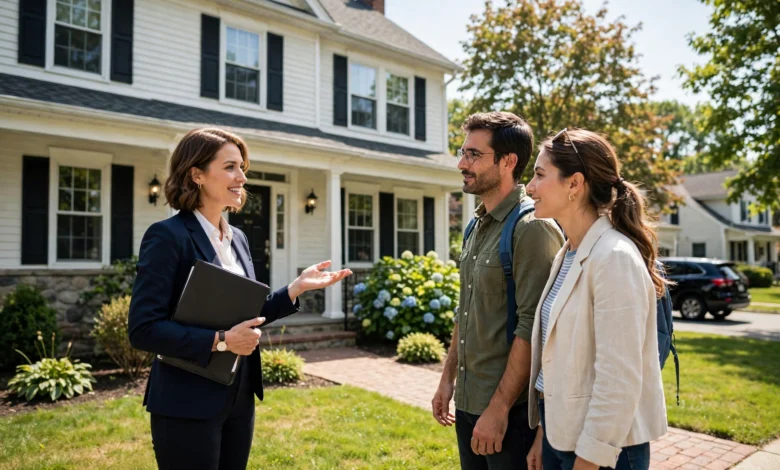
New Jersey realtors who work in commuter towns are really selling two things at once: a house and a daily trip into Manhattan, Newark or Philadelphia. A home in Maplewood with a direct train to Penn Station can be worth far more than a similar house two towns over that needs a transfer. A Hoboken condo near the PATH is a different purchase from a Westfield colonial with a longer ride and a bigger yard.
That makes local expertise matter a great deal. The right agent knows which stations have real parking, which towns have the steepest property taxes and how a 20-minute difference in commute time shows up in price. The wrong one can leave you with a house you love and a commute you hate.
The New Jersey market also has its share of problems. State civil rights officials have found probable cause that some real estate agencies refused renters who use housing vouchers, and a major brokerage settled four such cases in 2024. Federal and state prosecutors have convicted agents, lawyers and title agents in mortgage fraud schemes.
This guide covers the state’s main commuter towns by rail line, what separates strong real estate agents in New Jersey, eight established brokerages serving these towns and the red flags every buyer should know. It does not rank individual agents. Instead, it gives you facts and a checklist so you can choose wisely.


NJ Commuter Towns by Rail Line
The best NJ commuter towns are usually defined by their train line. Here is how experienced New Jersey realtors tend to group them, along with what buyers should keep in mind.
Midtown Direct towns (Morris & Essex Lines)
Maplewood, South Orange, Millburn-Short Hills, Summit, Chatham and Madison all have Midtown Direct service, meaning many trains run straight into New York Penn Station without a transfer. That one-seat ride is a big reason these towns command premium prices.
What to watch: high property taxes, competitive bidding in spring and limited station parking, which often requires a long permit waitlist.
PATH and ferry towns
Hoboken and Jersey City offer the PATH train to Lower Manhattan and Midtown, plus ferries across the Hudson. Commutes can be very short, and many buyers trade a yard for convenience.
What to watch: condo association finances, flood zones and flood insurance and older building systems.
Montclair and the Montclair-Boonton Line
Montclair combines a lively downtown with several train stations, some with direct trains to Penn Station at peak times and others that require a transfer at Secaucus or Newark.
What to watch: which station is closest, since service varies, and Montclair’s large, older homes with higher upkeep costs.
Raritan Valley Line towns
Westfield and Cranford have strong downtowns and good schools. Most trains require a transfer at Newark, though limited one-seat rides have been offered at times.
What to watch: longer commutes than Midtown Direct towns, offset by somewhat lower prices.
Northeast Corridor towns
Metuchen, Rahway and Princeton Junction in West Windsor sit on NJ Transit’s busiest line, with Amtrak options from some stations. Princeton Junction is popular with people who split time between New York and Philadelphia.
What to watch: crowded peak trains and station parking.
Bergen County and the Main/Bergen Lines
Ridgewood, Glen Rock and nearby towns rely on trains that usually transfer at Secaucus, along with buses through the Lincoln Tunnel.
What to watch: total door-to-door time, not just train time.
A realistic note on reliability
NJ Transit service is affected by aging tunnels under the Hudson River and occasional disruptions, including a brief engineers’ strike in May 2025. The Gateway project to build new tunnels is underway but will take years. Good agents will be honest about this rather than quoting best-case train times.
What Makes the Best New Jersey Realtors for Commuters
The best New Jersey realtors for commuter towns combine local market knowledge with a clear understanding of the state’s unusual rules and costs.
A valid New Jersey license
Every agent must be licensed by the New Jersey Real Estate Commission, part of the Department of Banking and Insurance, and work under a licensed broker. You can look up any licensee online to confirm their status. Remember that “Realtor” is a trademark for members of the National Association of Realtors. It signals a commitment to NAR’s Code of Ethics, but not necessarily skill.
Knowing how attorney review works
New Jersey is unusual in that most home purchase contracts prepared by agents go through attorney review, a three-business-day period after signing when either side’s lawyer can cancel or propose changes. A strong agent explains this clearly, works well with your attorney and does not pressure you to waive protections during that window.
Honest talk about property taxes
New Jersey has some of the highest property taxes in the country, and they vary a lot between neighboring towns. A house that looks affordable on price can cost more each month than a pricier one in a lower-tax town. Good agents show you the actual tax bill, explain any recent reassessments and help you compare total monthly costs, not just list prices.
Real commute knowledge
The best agents can tell you:
- Whether a station has direct trains or requires a transfer
- How long the parking permit waitlist is and what the alternatives are
- Which streets are within a realistic walk of the station
- How bus options through the Lincoln Tunnel compare with rail
Experience with older homes and flood risk
Many commuter towns have homes built 80 to 100 years ago, and some areas, especially near rivers and in Hudson County, carry flood risk. Agents should point you to New Jersey’s required flood risk disclosures, recommend thorough inspections and help you price in repairs before you commit.
8 Trusted Brokerages Where New Jersey Realtors Serve Commuter Towns
Most New Jersey realtors in commuter towns work under one of these established brokerages or a respected local firm. “Trusted” here means long-standing and widely used, not flawless. Offices or agents tied to several of these brands appear in state civil rights actions described later, which is exactly why you should judge the individual agent and office, not just the brand. Confirm current office details directly.
1. Weichert Realtors
Founded in New Jersey and headquartered in Morris County, Weichert is one of the best-known names in the state, with offices in many commuter towns.
Best for: buyers who want broad statewide coverage and agents in nearly every town.
2. Coldwell Banker Realty
Coldwell Banker has a large network of New Jersey offices, including in Midtown Direct and Bergen County towns, plus national relocation support.
Best for: families relocating from out of state for a New York job.
3. Compass
Compass has grown quickly in North Jersey, especially in Essex, Union and Hudson counties, by recruiting established local teams. It is known for seller marketing and pre-listing renovation programs.
Best for: sellers in higher-priced Midtown Direct towns and Hoboken.
4. Keller Williams
Keller Williams operates through independently owned franchise offices throughout the state. Many of its agents work in specialized teams.
Best for: clients who like a team approach with a specific local focus.
5. Berkshire Hathaway HomeServices New Jersey Properties
This franchise group has offices across North and Central Jersey and is known for service in suburban family markets.
Best for: buyers moving from the city to the suburbs for space and schools.
6. Christie’s International Real Estate (New Jersey affiliates)
Christie’s affiliates in New Jersey focus on the luxury end of the market, including estates in Short Hills, Summit and Bergen County.
Best for: high-end buyers and sellers.
7. RE/MAX
Independently owned RE/MAX offices operate statewide. Agents tend to be experienced and bring their own client base.
Best for: clients who want a seasoned individual agent.
8. Turpin Realtors
Turpin is a longtime locally owned brokerage with offices in Union and Somerset County towns such as Summit, Westfield and Cranford.
Best for: buyers who want deep knowledge of Union County commuter towns.
Comparing New Jersey Realtors by Brokerage Type
Each New Jersey real estate brokerage works a little differently. This table shows the trade-offs at a glance.
| Brokerage | Model | Main focus | Typical strength | Possible drawback |
|---|---|---|---|---|
| Weichert Realtors | NJ-founded, statewide | Most commuter towns | Huge local network | Quality varies by office |
| Coldwell Banker Realty | National brand | North Jersey, Bergen | Relocation support | Less boutique feel |
| Compass | National, tech-focused | Essex, Union, Hudson | Seller marketing | Often geared to pricier homes |
| Keller Williams | Franchise offices | Statewide | Specialist teams | You may work with a junior member |
| BHHS New Jersey Properties | Regional franchise | North and Central Jersey | Suburban family markets | Fewer urban listings |
| Christie’s affiliates | Luxury franchise | Short Hills, Summit, Bergen | High-end marketing | Limited for mid-priced homes |
| RE/MAX | Independent franchises | Statewide | Experienced agents | Service differs by office |
| Turpin Realtors | Local independent | Union and Somerset towns | Micro-market knowledge | Smaller footprint |
The Reality Check: Illegal Practices New Jersey Realtors Must Avoid
Most New Jersey realtors are honest, hardworking professionals. But the state’s record shows why buyers, sellers and renters should stay alert, and why brand names alone do not guarantee good conduct.
Housing discrimination against voucher holders
The New Jersey Law Against Discrimination bans refusing housing based on a person’s source of lawful income, including Section 8 discrimination against voucher holders. Agents and brokerages are covered by that law, and every licensee must give clients the Attorney General’s fair housing letter.
Enforcement has been active:
- January 2024: The Division on Civil Rights (DCR) announced findings of probable cause in 14 housing discrimination cases. Eight came from the nonprofit Housing Rights Initiative, whose testers called real estate companies and brokers, said they would pay with vouchers and were turned away. Findings were also issued in complaints involving offices of Century 21, RE/MAX and other agencies. The Attorney General’s announcement of the January 2024 findings lists the cases.
- 2024: In another round, DCR found probable cause that five real estate agencies, including Weichert Realtors, told prospective renters that vouchers would not be accepted.
- June 2024: DCR resolved four cases alleging that Coldwell Banker Realty violated the law’s ban on source-of-income discrimination. The Attorney General’s release on the Coldwell Banker settlement explains the terms.
- In one Elmwood Park case, investigators found internal text messages in which an agent made derogatory comments about voucher holders and suggested she generally did not show apartments to them.
A finding of probable cause is not a final ruling, and settlements usually do not admit wrongdoing. But the pattern matters. Fair housing violations are illegal whether they happen in a rental office or a luxury sale, and steering buyers toward or away from towns based on race, religion or family status is also against the law.
Mortgage fraud involving agents and closing professionals
Some of New Jersey’s biggest real estate frauds involved licensed professionals who were supposed to be safeguards:
- Paterson property-flipping scheme: Former Paramus real estate agent Michael Eliasof was sentenced in 2011 to 40 months in federal prison. He drew buyers into investment properties with false promises and prepared contracts with fake deposits and down payments so they would qualify for loans. The U.S. Attorney’s release on the Eliasof sentencing describes the scheme.
- A $431,200 loan to a dead man: In a 2012 state case, a ringleader, a lawyer, a real estate agent who was also a notary and two title agents were prosecuted for a scheme that obtained a mortgage in a dead man’s name. The agent admitted forging signatures and preparing false loan documents.
- Escrow theft: A former title company owner was sentenced to 12 years in federal prison after spending refinance money held in his company’s escrow account on personal expenses instead of paying off existing mortgages.
Lesson for buyers: your deposit and closing funds should go only to a verified attorney trust account, brokerage escrow or reputable title company.
Wire fraud at closing
Criminals hack or spoof emails from agents, attorneys and title companies, then send fake wiring instructions days before closing. Because New Jersey closings almost always involve attorneys, buyers sometimes assume the instructions are safe. Always confirm by phone using a number you already know.
Commission changes
After a 2023 federal jury found that the National Association of Realtors and major brokerages conspired to keep commissions high, NAR settled and changed its rules in August 2024. Buyers now sign a written agreement with their agent before touring homes, and every fee is negotiable.
How to Vet New Jersey Realtors Before You Sign
A few hours of homework can protect you from the problems above. Use these steps with any agent, whether you found them through a big brand, a neighbor or an online ad.
Step-by-step checklist
- Check the license through the New Jersey Department of Banking and Insurance and confirm it is active.
- Interview at least three agents who work regularly in the towns on your list.
- Ask about recent sales in your target town and price range over the past year.
- Read the buyer agreement carefully. Confirm the fee, who pays it, the term and how to cancel.
- Hire your own real estate attorney before you sign a contract, so attorney review actually protects you.
- Get the real tax bill for any home you like, and compare total monthly costs between towns.
- Test the commute at rush hour from the station you would actually use.
- Insist on inspections and review the seller’s flood disclosure for any home near water.
Questions to ask any agent
- Which towns and train lines do you know best?
- How many homes have you sold in this town in the past 12 months?
- How will you be paid, and who pays you?
- How do you handle attorney review and multiple offers?
- What do you do to protect clients from wire fraud?
- Do you receive any payment for referring lenders, inspectors or attorneys?
Red flags to walk away from
- Pressure to sign a buyer agreement before discussing fees
- Advice to skip inspections or rush through attorney review
- Comments about which towns are “right for people like you”
- Refusing to work with renters or buyers using housing assistance
- Wiring instructions sent only by email
- Vague or evasive answers about past complaints
A strong buyer’s agent welcomes these questions. If an agent gets defensive, that tells you something useful.
Conclusion
The best New Jersey realtors for commuter towns combine a valid state license with real knowledge of train lines like Midtown Direct, the PATH, the Raritan Valley and the Northeast Corridor, honest guidance on the state’s high property taxes and flood risks and a clear explanation of attorney review, and you can find them at statewide names like Weichert, national brands such as Coldwell Banker Realty, Compass, Keller Williams, Berkshire Hathaway HomeServices and RE/MAX, luxury affiliates like Christie’s or local independents such as Turpin Realtors, but the individual agent matters more than the brand, as state civil rights findings and settlements involving offices tied to several major brokerages over voucher discrimination, along with mortgage fraud cases that sent a Paramus agent, a title company owner and others to prison, make clear, so verify licenses, hire your own attorney, compare real tax bills and commute times, confirm wiring instructions by phone and walk away from any agent who pressures you, hides their pay or treats people differently based on who they are.