Luxury Real Estate in California: Inside the Most Exclusive Estates
Luxury real estate in California spans coastal estates, wine country vineyards, and gated compounds built for privacy and prestige.

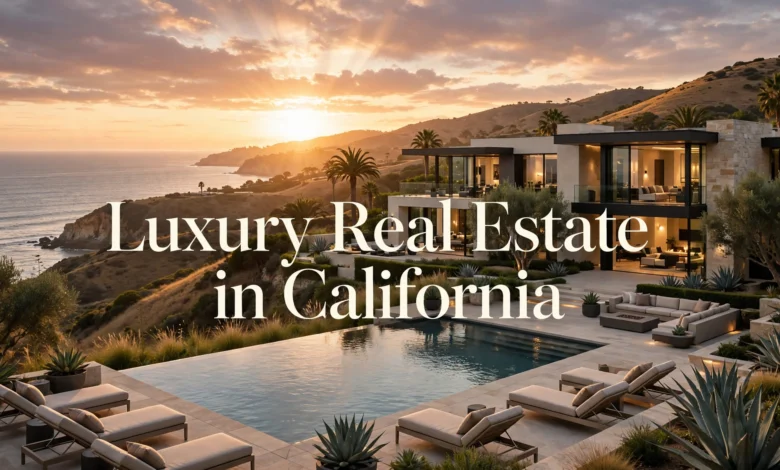
Luxury real estate in California isn’t just about square footage or a good zip code. It’s a market built on scarcity, privacy, and a level of craftsmanship that most buyers will never encounter anywhere else. From cliffside compounds in Malibu to vineyard estates tucked into the hills above Napa, California’s high-end housing market has become a magnet for buyers who want more than a home. They want a statement.
This isn’t a small niche either. According to recent market data, thousands of luxury properties are actively listed across the state at any given time, making California the largest and most active luxury real estate market in the country. Buyers arrive from every continent, drawn by a coastline that can’t be replicated, the pull of entertainment and tech wealth, and a climate that makes year-round outdoor living genuinely enjoyable.
In this guide, we’ll walk through what actually defines a luxury estate in California, the neighborhoods where the most exclusive properties sit, the amenities buyers now expect, and what it actually takes to buy into this world. Whether you’re a serious buyer, a curious browser, or someone researching the market before making a move, this breakdown will give you a clear, honest picture of where California’s high-end housing stands today.
What Defines Luxury Real Estate in California
Not every expensive home qualifies as a true luxury estate. Price is part of the equation, but it’s far from the whole story. In California, the properties that command the highest attention and the highest price tags tend to share a specific set of traits.


Location and Privacy
Above everything else, location drives value in California luxury real estate. A home can have flawless architecture and still fall short if it sits on a busy street or lacks privacy. The most sought-after estates are set behind gates, tucked into hillsides, or positioned on large parcels that create natural buffers from neighbors and traffic. Buyers in this segment are paying as much for seclusion as they are for square footage.
Architectural Significance
Many of the state’s most notable exclusive estates carry architectural pedigree. Homes designed by well-known architects, or estates with a documented history tied to a notable owner, tend to hold their value and attract serious interest even in a slower market. Buyers in this tier often care about the story behind a property almost as much as the finishes inside it.
Scale and Land
Acreage matters. A luxury home in the hills of Montecito or the wine country around Napa Valley often comes with several acres of land, sometimes with working vineyards, orchards, or equestrian facilities included. This kind of scale simply isn’t available in most parts of the country, which is part of why California commands such a premium.
Custom Craftsmanship
Bespoke details separate a merely expensive home from a true luxury property. Hand-selected stone, imported materials, custom millwork, and commissioned art installations are common in this tier. Many of these homes also incorporate curated art collections and made-to-order furniture, giving each estate a distinct personality rather than a generic showroom feel.
The Most Exclusive Neighborhoods for Luxury Real Estate in California
California’s luxury housing market isn’t concentrated in one region. It stretches across the state, with each pocket offering a different lifestyle and price point.
Beverly Hills
Beverly Hills remains one of the most recognized names in luxury real estate anywhere in the world. The neighborhood is known for its manicured streets, celebrity history, and mansions that regularly change hands for eight or nine figures. Properties here often include private pools, expansive gardens, and proximity to some of the best shopping and dining in Los Angeles.
Bel Air
Just north of Beverly Hills, Bel Air offers a quieter, more secluded version of luxury living. Set into the hills above Westwood, this neighborhood is home to sprawling estates with panoramic city views and heavy security. Some of the highest recorded home sales in the country have taken place here, cementing Bel Air’s reputation as one of the most exclusive neighborhoods in California.
Holmby Hills
Rounding out LA’s “Platinum Triangle,” Holmby Hills is smaller and even more private than its neighbors. Large lot sizes and long-term generational ownership mean listings are rare, which only adds to the appeal for buyers seeking true exclusivity.
Malibu
Malibu delivers a different flavor of luxury real estate, one built around oceanfront access and a relaxed, indoor-outdoor lifestyle. Cliffside homes and beachfront compounds here often trade for tens of millions of dollars, with buyers paying a steep premium for direct sand access and unobstructed ocean views.
Montecito and Santa Barbara
Montecito has become a favorite for buyers who want privacy without sacrificing proximity to Los Angeles. Rolling hills, mature oak trees, and historic hilltop estates define this area. Several of Santa Barbara’s most prestigious properties sit on multi-acre parcels with mountain and ocean views that are difficult to find anywhere else in the state.
Napa Valley and Wine Country
For buyers drawn to agriculture and a slower pace, Napa Valley offers vineyard estates set across hundreds of acres. These properties often combine a working vineyard with a main residence, guest houses, and resort-style amenities, giving owners both a lifestyle property and a working business.
Silicon Valley and the Bay Area
In the Bay Area, luxury properties take on a different character. Estates here often emphasize smart home technology, sustainable design, and proximity to the tech industry, alongside sweeping views of the San Francisco skyline or the surrounding hills.
La Jolla and Rancho Santa Fe
Down in San Diego County, La Jolla and Rancho Santa Fe have built strong reputations for gated, guard-patrolled communities with contemporary architecture. Buyers here tend to prioritize privacy, golf course access, and a resort-like setting close to the coast.
Amenities That Define Today’s Ultra-Luxury Estates
The features included in a modern luxury estate have expanded well beyond a pool and a home theater. Today’s high-end buyers expect their properties to function like private resorts. Common amenities include:
- Private spas and wellness centers, often including saunas, steam rooms, and dedicated massage rooms
- Home theaters built with professional-grade sound and projection systems
- Gourmet kitchens designed for both everyday cooking and large-scale entertaining
- Outdoor kitchens and dining pavilions that take advantage of California’s climate
- Sports facilities, including tennis courts, basketball courts, and in some cases private golf holes
- Wine cellars and tasting rooms, particularly common in wine country and among serious collectors
- Smart home systems controlling lighting, security, climate, and entertainment from a single interface
- Guest houses and staff quarters for full-time household help or visiting family
These aren’t add-ons anymore. In the current market, many of these features are baseline expectations for anyone shopping in the upper tier of California luxury real estate.
What It Takes to Buy a Luxury Estate in California
Purchasing a luxury property in this market involves more steps and more scrutiny than a typical home purchase. Buyers should be prepared for the following.
1. Proof of Funds and Financial Vetting
Sellers and agents representing high-value estates almost always require proof of funds before scheduling a private showing. Given the price points involved, this step protects both the seller’s time and the property’s privacy.
2. Working With a Specialized Agent
General real estate agents rarely have access to the off-market inventory that defines this segment. Many luxury estates never appear on public listing sites at all. Buyers typically need to work with an agent who specializes in high-end properties and has relationships within that specific market.
3. Understanding Off-Market Listings
A significant share of California’s most desirable homes trade hands quietly, without ever being publicly marketed. Sellers in this tier often value discretion over broad exposure, which means buyers need insider access to even learn these properties are available.
4. Budgeting Beyond the Purchase Price
Property taxes, insurance, staffing, landscaping, and ongoing maintenance on a large estate can add up quickly. Buyers should factor in these carrying costs, which can run into six figures annually depending on the size and complexity of the property.
5. Timing the Market
Like any real estate segment, the luxury housing market moves in cycles. Interest rates, inventory levels, and broader economic conditions all influence how quickly high-end properties sell and how much negotiating room buyers have. Working with an agent who tracks these trends closely can make a meaningful difference in both price and terms.
For buyers who want a deeper look at how national housing trends are shaping the high-end segment, the National Association of Realtors publishes regular market data that’s useful context when evaluating a purchase in California.
Why California Continues to Lead the Luxury Market
A few factors keep California at the top of the national conversation around luxury real estate.
Geographic diversity is a major driver. Few states offer coastline, mountains, desert, and wine country all within a few hours’ drive of each other. This gives buyers options that simply don’t exist elsewhere, whether they want a beach compound in Malibu or a vineyard estate in Sonoma.
Economic gravity also plays a role. The concentration of entertainment industry wealth in Los Angeles and technology wealth in the Bay Area creates a steady pool of buyers with the resources to compete for the state’s most desirable luxury homes.
Climate shouldn’t be underestimated either. California’s weather supports the kind of indoor-outdoor living that high-end buyers increasingly prioritize, from retractable glass walls to resort-style outdoor kitchens designed for year-round use.
Finally, scarcity keeps prices firm. Many of the state’s most prestigious neighborhoods have limited land available for new construction, and long-term family ownership means turnover is rare. When a standout estate does come to market, it tends to attract serious competition. For readers interested in current listing trends and pricing benchmarks, Realtor.com’s luxury housing data offers a useful snapshot of how this segment moves compared to the broader market.
Common Mistakes Buyers Make in the Luxury Market
Even well-resourced buyers stumble when entering this segment for the first time. A few recurring mistakes are worth flagging.
- Underestimating carrying costs. The purchase price is only the beginning. Staffing, insurance, and upkeep on a large luxury estate can be substantial.
- Skipping specialized representation. Trying to navigate off-market inventory without an agent who has real relationships in the space often means missing the best opportunities entirely.
- Overlooking resale considerations. Highly customized homes with unusual layouts or finishes can be harder to resell, even at the top of the market. Buyers should think about long-term flexibility, not just their own immediate preferences.
- Ignoring due diligence on land and permits. Large properties, especially those with vineyards, guest houses, or extensive grading, can carry complicated permit histories. A thorough inspection and title review matters even more at this price point.
Final Thoughts
Luxury real estate in California represents one of the most dynamic and closely watched segments of the national housing market, built on a rare combination of geography, privacy, and craftsmanship that’s difficult to find anywhere else in the country. From the gated hillsides of Bel Air to the vineyard estates of Napa Valley, each region offers its own version of exclusivity, and the amenities, architecture, and land that define these properties continue to set the standard for what high-end living looks like. For buyers considering a move into this market, understanding what actually drives value, from location and privacy to specialized representation and long-term carrying costs, makes the difference between a smart investment and an expensive mistake. Whether the goal is a coastal compound, a wine country retreat, or a private hillside estate, California’s luxury market remains one of the strongest and most competitive in the world.