Florida Luxury Real Estate: 7 Stunning Waterfront Mansions Worth Millions
Florida luxury real estate offers waterfront mansions worth millions, from Miami to Naples. See what drives prices and where to buy.

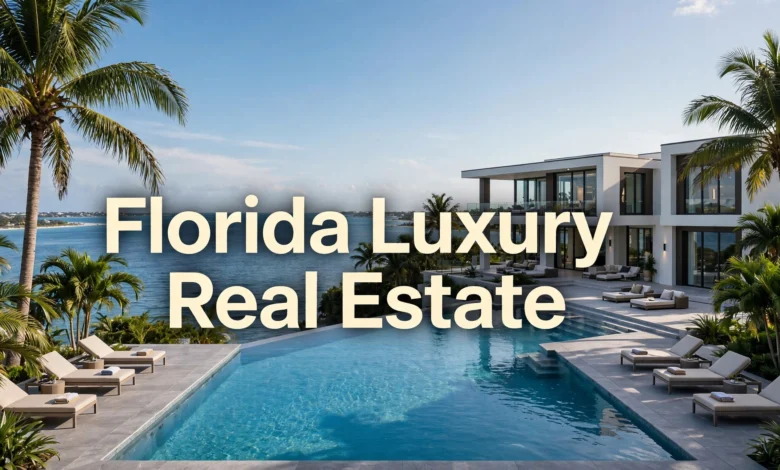
Florida luxury real estate has become one of the most talked-about markets in the country, and it’s not hard to see why. Warm weather, no state income tax, and hundreds of miles of coastline have turned the Sunshine State into a magnet for buyers who want a waterfront mansion that also happens to be a smart long-term asset. Whether you’re picturing a modern glass estate on Biscayne Bay or a Mediterranean-style compound in Palm Beach, Florida’s high-end market has a property to match.
What makes this market different from other luxury hubs like Los Angeles or New York is the sheer variety of waterfront settings. You can buy directly on the Atlantic Ocean, along the Intracoastal Waterway, on the Gulf of Mexico, or on a private canal with deep-water dockage for a mega-yacht. Each setting comes with its own price tag, lifestyle, and set of trade-offs.
In this guide, we’ll walk through what qualifies as Florida luxury real estate, the regions where waterfront mansions command the highest prices, the features that push a listing into eight or nine figures, and what buyers should know before making an offer. If you’re shopping for a waterfront mansion or just curious about what’s driving this market, here’s a clear, practical look at where the money is going and why.
What Makes Florida Luxury Real Estate Different
Florida’s luxury housing market isn’t just about big price tags. It’s shaped by geography, climate, and a tax structure that keeps drawing wealthy buyers from higher-tax states like New York, California, and Illinois. When people talk about Florida luxury real estate, they’re usually talking about three things at once: the water, the weather, and the wealth migration that has reshaped South Florida over the past several years.


Waterfront Access and Private Docks
Water access is the single biggest value driver in this market. A waterfront mansion with a private dock capable of holding a large yacht is worth significantly more than a comparable home set back from the water, even in the same neighborhood. Buyers pay a premium for:
- Direct ocean or bay frontage with no bridges to clear
- Deep-water dockage rated for yachts over 100 feet
- Protected coves that shield boats from storm surge
- Private beach access separate from public shoreline
Homes on wide, deep canals in cities like Fort Lauderdale routinely sell for tens of millions of dollars simply because a boat owner can leave the dock and reach open water in minutes.
Architectural Styles That Define the Market
Florida’s luxury homes tend to fall into a handful of recognizable styles. Mediterranean Revival estates, with barrel-tile roofs and stucco facades, remain popular in Palm Beach and Coral Gables. Modern glass-and-concrete builds dominate newer construction in Miami Beach and Naples, often designed to survive hurricane-force winds while maximizing water views. Key West-style homes with wraparound porches show up frequently along the Gulf Coast. None of these styles is objectively “better,” but each attracts a different type of buyer, and that matters when you’re pricing a waterfront mansion for resale.
Top Florida Regions for Waterfront Mansions
Not all Florida luxury markets behave the same way. Prices, inventory, and buyer profiles vary a lot depending on the region.
Miami-Dade and Miami Beach
Miami remains the epicenter of Florida luxury real estate. Neighborhoods like Star Island, Fisher Island, and Indian Creek Village have some of the highest price-per-square-foot numbers in the country. Fisher Island, accessible only by ferry or private boat, is often cited as one of the wealthiest zip codes in the United States. Buyers here are typically drawn to privacy, proximity to Miami’s business and cultural scene, and the ability to dock a serious yacht steps from the front door.
Palm Beach and the Gold Coast
Palm Beach has long been associated with old-money estates and sprawling oceanfront lots. Towns along the Gold Coast, including Manalapan, Highland Beach, and Jupiter Island, offer some of the most exclusive waterfront mansions in the state. Many of these properties sit on ocean-to-Intracoastal lots, meaning owners get beach access on one side and a private dock on the other.
Naples and the Gulf Coast
On the west coast, Naples has quietly become one of the fastest-growing luxury markets in Florida. Port Royal, a gated neighborhood of Gulf-front and canal-front homes, regularly sees sales in the eight-figure range. The Gulf Coast tends to attract retirees and buyers looking for a slightly quieter pace than Miami, without giving up boat access or high-end shopping and dining.
Fort Lauderdale’s “Venice of America”
Fort Lauderdale earned its nickname from its extensive network of canals, and it remains one of the best places in the country to buy a deep-water estate. Neighborhoods like Las Olas Isles and Rio Vista offer direct ocean access with no fixed bridges, which is a major selling point for yacht owners. The city has also seen a wave of new construction as older homes get torn down and replaced with modern estates built to current hurricane codes.
What Drives Prices Into the Millions
Understanding pricing in Florida luxury real estate means looking beyond square footage. Several specific factors tend to push a property from merely expensive into the tens of millions.
Location and Water Frontage
Two nearly identical homes can sell for wildly different prices depending on what kind of water they sit on. Ocean frontage typically commands the highest premium, followed by wide Intracoastal lots, then canal-front properties, and finally lakefront or non-navigable water. Lot width along the water also matters. A 150-foot-wide waterfront lot will almost always outsell a 75-foot lot in the same neighborhood, even if the homes themselves are similar in size.
Square Footage and Lot Size
Buyers shopping for a waterfront mansion in the eight-figure range generally expect:
- At least 8,000 to 15,000 square feet of living space
- Six or more bedrooms with matching en-suite bathrooms
- A guest house or separate staff quarters
- Multiple garage bays, often six or more
- Lot sizes of half an acre or more in urban markets, and several acres in more rural coastal areas
Amenities That Command a Premium
Beyond the basics, certain amenities consistently push prices higher:
- Home theaters, wine cellars, and cigar rooms
- Resort-style pools with spas and swim-up bars
- Smart home systems controlling security, lighting, and climate
- Private tennis or pickleball courts
- Elevators and hurricane-rated impact windows throughout
- Boat lifts, personal watercraft docks, and fuel stations
None of these features is required to sell a home, but in a competitive luxury market, they’re often what separates a $10 million listing from a $25 million one.
Buying a Florida Waterfront Mansion: What to Know
Purchasing at this level involves a different process than a typical home sale, and buyers should go in prepared.
Flood Zones and Insurance
Nearly every waterfront mansion in Florida sits in a flood zone, which means insurance costs need to be factored into your budget from day one. Insurance premiums on high-value coastal homes can run into six figures annually, and rates have climbed in recent years as insurers reassess hurricane risk. According to the National Association of Realtors, rising insurance costs have become one of the most significant factors affecting luxury coastal transactions nationwide, and Florida is often at the center of that conversation. Before making an offer, buyers should request a current insurance quote and review the home’s elevation certificate and flood history.
Working With a Luxury Real Estate Agent
Because so few agents handle transactions above $10 million regularly, working with someone who specializes in Florida luxury real estate makes a real difference. An experienced luxury agent will typically:
- Have direct relationships with other top agents who represent off-market sellers
- Understand how to structure offers involving trusts, LLCs, or international buyers
- Know which neighborhoods have strict architectural review boards
- Be able to coordinate marine surveys for dock and seawall condition
Buyers should also consult resources like Florida Realtors, the state’s official trade association, for current market data and consumer guidance before entering a high-value negotiation.
Is Florida Luxury Real Estate a Good Investment
Whether a waterfront mansion makes financial sense depends on the buyer’s goals. For some, it’s a primary residence and lifestyle purchase that happens to appreciate over time. For others, it’s a hedge against inflation or a way to diversify a portfolio outside the stock market. Florida’s lack of state income tax, combined with continued population growth, has kept demand strong even as interest rates have shifted the broader housing market.
That said, buyers should weigh a few realistic factors:
- Insurance and maintenance costs on large coastal homes are substantial and tend to rise over time
- Hurricane risk is real, and older homes may need costly upgrades to meet current building codes
- The ultra-luxury segment can be slower to sell than mid-market homes, since the buyer pool is smaller
- Property taxes on multimillion-dollar homes add up quickly, even with homestead exemptions on primary residences
For buyers who do their homework, work with the right team, and choose a location with strong long-term demand, a Florida waterfront mansion can be both a place to live and a genuinely solid asset.
Conclusion
Florida luxury real estate continues to draw buyers who want more than just a big house. They want direct water access, a climate that works year-round, and the kind of privacy and amenities that only a handful of neighborhoods in the country can offer. From Miami’s Fisher Island to Naples’ Port Royal and Fort Lauderdale’s canal-front estates, the state’s waterfront mansions vary widely in style and setting, but they share the same core appeal: location, water, and scale. Buyers who understand what actually drives value in this market, and who go in prepared for the insurance and maintenance realities that come with coastal ownership, are the ones most likely to find a property that’s genuinely worth the price tag.