Manchester Property Guide 2026: City Centre Apartments vs Suburbs, 9 Smart Tips for Buyers
Manchester property guide for 2026: city centre apartments vs suburbs compared on prices, rents, yields, service charges, schools and transport.

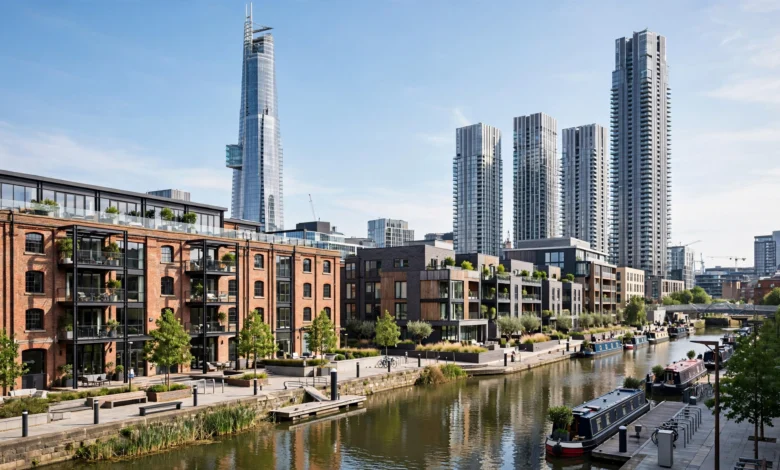
Manchester property has become one of the most talked-about markets in the UK, and for good reason. The city has a young, growing population, a booming tech and media scene, two major universities, and a skyline that keeps changing as new towers go up. Prices are still far below London, yet rents and demand are strong.
For most buyers, the first big decision is simple to describe but hard to make: a city centre apartment or a home in the suburbs? A one-bedroom flat in Ancoats or Deansgate puts you minutes from offices, bars, and Piccadilly station. A semi-detached house in Didsbury, Chorlton, or Sale gives you a garden, more space, and access to well-regarded schools.
The numbers back up the choice in different ways. According to ONS data, the average house price in Manchester was about £252,000 in July 2026, while average private rents reached around £1,373 a month in August 2026, up more than 4% on the year. City centre apartments often deliver higher rental yields, while suburban houses tend to offer steadier long-term demand from families.
This Manchester property guide compares both options in plain terms. You’ll see current prices and rents, the best city centre and suburban areas, the pros and cons of each, the hidden costs of leasehold apartments, the new rules for landlords, and nine practical tips to help you buy with confidence in 2026.


The Manchester Property Market in 2026
The Manchester property market has moved from rapid post-pandemic growth into a steadier phase. Prices are still rising, but more slowly, while rents continue to climb thanks to strong demand and limited supply.
Key Manchester Property Prices and Rents
The ONS housing prices data for Manchester shows a clear picture of the local market:
- Average house price: about £252,000 in July 2026 (provisional), up 1.2% on the year
- First-time buyer average: about £237,000
- Average private rent: about £1,373 a month in August 2026, up 4.2% year on year
- Flats vs houses: flats typically sell for well under the overall average, while semi-detached and detached houses sit well above it
These figures cover the Manchester local authority area, which includes the city centre and suburbs like Didsbury, Chorlton, and Withington. Nearby boroughs such as Salford, Trafford, and Stockport have their own price levels, with Trafford generally among the most expensive in Greater Manchester.
Rental Yields Across Manchester
Manchester property is popular with investors because yields are higher than in London and much of the South East. Typical gross yields vary by area:
| Area | Typical gross yield (2026) | Main tenants |
|---|---|---|
| City centre (M1, M3) | Around 5% to 6.5% | Professionals, postgraduates |
| Ancoats and Northern Quarter (M4) | Around 5.5% to 6.5% | Young professionals, creatives |
| Fallowfield and Rusholme (M14) | Up to around 8% | Students |
| Salford Quays and MediaCity | Around 5% to 6% | Media and tech workers |
| Didsbury and Chorlton | Around 4% to 5% | Professionals, families |
| Sale and Altrincham | Around 4% to 4.5% | Families |
Yield estimates vary between data providers, and gross yields don’t account for service charges, letting fees, maintenance, or void periods. For city centre apartments in particular, service charges can cut net returns sharply.
What’s Driving Demand for Manchester Property
- Jobs: major employers in finance, tech, media, health, and education, including MediaCity and the growing innovation district around Oxford Road
- Universities: the University of Manchester and Manchester Metropolitan University bring tens of thousands of students and graduates
- Graduate retention: many students stay in the city after finishing their studies
- Regeneration: large projects in Ancoats, New Islington, Mayfield, and around Piccadilly
- Transport: Metrolink trams, the Bee Network bus system, and fast rail links to London, Leeds, and Liverpool
- Affordability: prices well below London attract buyers relocating from the South
How Manchester Is Laid Out for Buyers
To understand Manchester property, it helps to picture three broad zones.
City Centre
The city centre includes Deansgate, Spinningfields, Castlefield, the Northern Quarter, Ancoats, New Islington, Piccadilly, and the Green Quarter. Housing is mostly apartments, from converted Victorian mills and warehouses to new high-rise towers.
Inner Suburbs
Areas like Chorlton, Didsbury, Withington, Levenshulme, Fallowfield, Prestwich, and Stretford offer Victorian and Edwardian terraces, semi-detached houses, and some flats. They combine neighbourhood character with good transport links.
Outer Suburbs and Commuter Towns
Further out are areas such as Sale, Altrincham, Urmston, Heaton Moor, Bramhall, Whitefield, and parts of Stockport. These are popular with families for larger houses, gardens, and schools, with commuter rail or Metrolink links to the centre.
City Centre Manchester Property: Apartment Living
City centre Manchester property is almost entirely apartments, and it suits buyers who want convenience, nightlife, and short commutes.
Advantages of City Centre Apartments
- Location: walk to offices, restaurants, bars, venues, and major train stations
- Lower entry price: one-bedroom flats can start from around £200,000, less than most suburban houses
- Strong rental demand: young professionals and postgraduates keep vacancy rates low
- Higher yields: city centre Manchester property often yields more than suburban family homes
- Amenities: many new buildings include gyms, concierge services, roof terraces, and co-working spaces
- Low maintenance: no garden to maintain and shared repairs are handled by management companies
Drawbacks of City Centre Apartments
- Service charges: often around £2,000 to £5,000 or more a year, which can rise over time
- Leasehold issues: ground rent, lease length, and management company performance all matter
- Building safety concerns: some older high-rise blocks have faced cladding and fire safety problems
- Supply competition: many new towers mean more competing flats, which can limit price growth
- Less space: fewer family-sized homes and little outdoor space
- Slower capital growth: in some years, flats have grown more slowly than houses
Best City Centre Areas for Manchester Property
Ancoats and New Islington have changed from industrial areas into some of the city’s most fashionable neighbourhoods. Converted mills, new apartment blocks, independent restaurants, and canal-side living attract professionals and creative workers.
The Northern Quarter is known for independent shops, music venues, bars, and street art. Apartments here are often in converted warehouses with high ceilings and character.
Deansgate and Spinningfields are the premium core, close to the business district, upscale restaurants, and landmark towers. Prices are higher, but demand from professionals is strong.
Castlefield offers canals, Roman ruins, and a calmer feel while staying close to the centre. It’s popular with buyers who want a quieter city lifestyle.
Salford Quays and MediaCity, technically in Salford, offer waterside apartments near major media and tech employers, often at lower prices than central Manchester.
Piccadilly, the Green Quarter, and Mayfield are areas with major ongoing regeneration and strong transport links, including Piccadilly and Victoria stations.
Suburban Manchester Property: Space and Community
Suburban Manchester property suits families, long-term owner-occupiers, and buyers who want more space for their money.
Advantages of the Suburbs
- More space: houses with gardens, driveways, and extra bedrooms
- Freehold ownership: most houses are freehold, so there are no service charges or ground rent
- Schools: access to well-regarded primary and secondary schools, including grammar schools in Trafford
- Community feel: village centres, parks, local shops, and cafés
- Steady demand: family homes in good school areas tend to hold value well
Drawbacks of the Suburbs
- Higher purchase prices: family homes in popular suburbs often cost far more than city flats
- Commuting: longer travel times into the centre, especially by car
- Maintenance: you’re responsible for the roof, garden, boiler, and repairs
- Lower yields: rental returns are usually lower than for city centre apartments
Best Suburbs for Manchester Property
Didsbury is one of the most popular suburbs in south Manchester, with leafy streets, Victorian and Edwardian homes, a lively village centre, and Metrolink access. It’s a favourite with professionals and families.
Chorlton has a creative, independent spirit, with cafés, bars, green spaces, and a mix of terraces and semis. It’s popular with young families and professionals.
Sale and Altrincham in Trafford offer larger family homes, excellent schools, good Metrolink links, and a thriving town centre in Altrincham, with its well-known market hall.
Prestwich and Whitefield in the north offer good-value family homes, green spaces, and a growing food scene, with tram access to the centre.
Levenshulme and Withington are more affordable, with Victorian terraces and growing local scenes, making them popular with first-time buyers.
Heaton Moor and Bramhall in Stockport offer leafy streets, larger homes, and good rail links, attracting families looking for space and quality schools.
Stretford and Urmston are popular with buyers looking for value near Trafford Park, the Etihad and Old Trafford areas, and tram links.
City Centre vs Suburbs: Manchester Property Compared
| Factor | City centre apartments | Suburban homes |
|---|---|---|
| Typical entry price | From around £200,000 for a one-bed | Often £300,000 to £600,000+ for family houses in popular areas |
| Tenure | Usually leasehold | Usually freehold |
| Ongoing costs | Service charges, ground rent | Maintenance and repairs |
| Rental yield | Often 5% to 6.5% | Often 4% to 5% |
| Capital growth | Can be slower in oversupplied areas | Often steadier for family homes |
| Space | Small to medium | Medium to large, with gardens |
| Lifestyle | Urban, social, walkable | Quieter, family-friendly |
| Best for | Young professionals, investors | Families, long-term owners |
In short, city centre Manchester property is usually the better fit for yield-focused investors and singles or couples who want an urban lifestyle, while suburban Manchester property tends to suit families and buyers who value space, freehold ownership, and long-term stability.
Hidden Costs of Manchester Property Apartments
If you’re considering a city centre flat, look closely at the costs that don’t appear in the asking price.
Service Charges
Service charges pay for building maintenance, cleaning, lifts, security, concierge, insurance, and sometimes amenities like gyms. In Manchester property apartment blocks, they often run from around £2,000 to £5,000 or more a year. Ask for the last three years of service charge accounts and any planned major works.
Leasehold and Ground Rent
Most apartments are leasehold. Check:
- Lease length: leases under about 80 years can be harder to mortgage and more expensive to extend
- Ground rent: how much it is and whether it rises over time
- Management company: reviews from residents and how well the building is run
- Restrictions: rules on pets, subletting, or short-term lets
Leasehold law in England is being reformed, but changes are being phased in, so get advice from a conveyancing solicitor on the current position.
Building Safety and Cladding
After the Grenfell Tower fire, many high-rise buildings were checked for unsafe cladding and fire safety defects. The Building Safety Act 2022 gives many leaseholders in taller buildings protection from paying for some remediation costs, but problems can still affect mortgages, insurance, and resale. Ask whether the building has an EWS1 form or confirmation that it doesn’t need one.
Stamp Duty and Buying Costs for Manchester Property
Buyers in England pay Stamp Duty Land Tax on most purchases. Since April 2025, rates are:
| Price band | Standard rate | First-time buyer rate |
|---|---|---|
| Up to £125,000 | 0% | 0% (up to £300,000) |
| £125,001 to £250,000 | 2% | 0% (up to £300,000) |
| £250,001 to £925,000 | 5% | 5% on £300,001 to £500,000 |
First-time buyer relief only applies if the property costs £500,000 or less. Buyers of additional homes, including most buy-to-let investors, pay a 5% surcharge on top of the standard rates. Check the official GOV.UK Stamp Duty Land Tax rates before you budget, since rates can change.
Other buying costs to plan for:
- Solicitor or conveyancer fees
- Survey fees, ideally a RICS Level 2 or Level 3 survey
- Mortgage arrangement fees
- Removal costs and furnishing
Investing in Manchester Property: New Rules for Landlords
Manchester property remains popular with investors, but landlord rules in England changed significantly in 2026.
The Renters’ Rights Act
The Renters’ Rights Act 2025 came into force on 1 May 2026. Key changes include:
- Section 21 “no-fault” evictions abolished, so landlords must use a valid Section 8 ground to regain possession
- Periodic tenancies replacing fixed-term assured shorthold tenancies
- Rent increases limited to once a year through a Section 13 notice
- Rent bidding banned
- New grounds for landlords who want to sell or move in, with notice periods
These rules make it more important to choose good tenants, maintain properties well, and price rents realistically.
Tax Considerations
Mortgage interest relief for individual landlords is limited to a basic-rate tax credit, which reduces net returns for higher-rate taxpayers. Some investors buy through a limited company, but this has its own costs and rules. Speak to a tax adviser before choosing a structure.
City Centre vs Suburban Investment
- City centre apartments: higher gross yields and strong tenant demand, but service charges, leasehold issues, and competition from new towers
- Suburban houses: lower yields but freehold ownership, family tenants who often stay longer, and steadier capital growth
- Student lets: high yields in areas like Fallowfield, but more management work and special licensing rules for HMOs
9 Smart Tips for Buying Manchester Property
- Decide your priority first. Lifestyle, yield, capital growth, and schools point to different areas.
- Compare net, not gross, yields. Subtract service charges, ground rent, letting fees, maintenance, and voids.
- Read the lease carefully. Check length, ground rent, and restrictions before committing.
- Ask about building safety. Confirm cladding status and fire safety documentation.
- Check competing supply. Look at how many similar flats are being built nearby.
- Visit at different times. See how noisy, busy, or quiet the area is in the evening and at weekends.
- Test the commute. Try the tram, train, bus, or drive at rush hour.
- Research schools. If you have children, check catchment areas at the exact address.
- Use local experts. A Manchester property solicitor, surveyor, and letting agent can save you from costly mistakes.
Frequently Asked Questions About Manchester Property
Is Manchester property a good investment in 2026?
Manchester property remains one of the stronger regional markets in the UK, with rising rents, solid demand from professionals and students, and prices far below London. Price growth has slowed, so returns depend more on choosing the right area and keeping costs under control.
What is the average Manchester property price?
ONS figures put the average Manchester property price at about £252,000 in July 2026. City centre one-bedroom flats can start from around £200,000, while family houses in popular suburbs often cost far more.
Are city centre apartments or suburban houses better in Manchester?
City centre Manchester property usually suits investors and young professionals thanks to higher yields and convenience. Suburban Manchester property suits families and long-term owners who want space, freehold ownership, and access to good schools.
Which areas have the highest rental yields for Manchester property?
Student areas like Fallowfield and Rusholme can produce yields of around 8%, while the city centre, Ancoats, and the Northern Quarter usually sit around 5% to 6.5%. Suburbs like Didsbury, Chorlton, and Sale generally yield less.
What should I check before buying a Manchester property apartment?
Check service charges, ground rent, lease length, building safety and cladding status, the management company’s track record, and how many competing flats are planned nearby.
Conclusion
Manchester property offers buyers two very different paths in 2026: city centre apartments in areas like Ancoats, the Northern Quarter, Deansgate, Castlefield, and Salford Quays deliver urban convenience, strong tenant demand, and gross yields often around 5% to 6.5%, but come with service charges, leasehold terms, building safety checks, and competition from new towers, while suburbs such as Didsbury, Chorlton, Sale, Altrincham, Prestwich, and Heaton Moor offer more space, freehold houses, good schools, and steadier family demand at higher purchase prices and lower yields. With the average Manchester property price around £252,000, rents still rising, new stamp duty bands in place, and the Renters’ Rights Act reshaping how landlords operate, the best decision starts with your goals: choose the city centre for lifestyle and income, the suburbs for space and stability, and in either case check net costs, read the lease or survey carefully, and lean on local experts before you commit.