Rome Property Guide 2026: Historic Center vs Modern Suburbs, 7 Smart Tips Before You Buy
Rome property guide for 2026: historic center vs modern suburbs compared on price per square metre, lifestyle, transport, taxes and renovation rules.

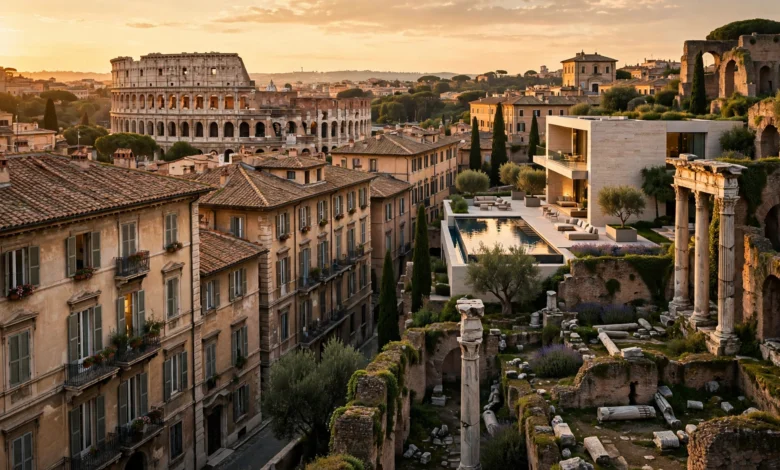
Rome property comes with a choice most cities don’t offer so starkly. You can live inside the old city, in a palazzo with frescoed ceilings a few steps from the Pantheon, or in a modern suburb with a lift, a parking space, a garden, and a fraction of the price per square metre. Both are Rome, yet they feel like two different cities.
The price gap is huge. In 2026, asking prices in the Centro Storico average well above €8,700 per square metre, while outer districts on the eastern edge of the city sit below €2,000. That means the same budget can buy a small one-bedroom near Piazza Navona or a spacious family home with a terrace in EUR, Monteverde, or Talenti.
The right choice depends on how you want to live. The historic center offers beauty, walkability, and strong long-term demand, but also listed buildings, tourist crowds, limited car access, and renovation rules. The modern suburbs offer space and comfort, but you’ll trade some charm and spend more time getting around.
This guide compares the two sides of the Rome property market in plain terms. You’ll see current prices, the best historic and suburban neighborhoods, the real pros and cons of each, the buying process for foreigners, the taxes and costs to expect, and seven practical tips to help you buy with confidence.
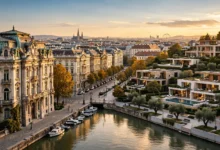
How the Rome Property Map Works
Rome is a large, spread-out city divided into 15 municipi (administrative districts) and dozens of neighborhoods. For buyers, it helps to think of Rome property in three rings.
The Historic Center
The Centro Storico is the area inside and around the ancient Aurelian Walls, including neighborhoods like Monti, Campo de’ Fiori, Navona, the Pantheon area, the Spanish Steps area (Tridente), and the Jewish Ghetto. Trastevere, just across the Tiber, is often grouped with it. Most buildings here are centuries old, and much of the area is a UNESCO World Heritage Site.
Semi-Central Districts
Just outside the core sit elegant late 19th and early 20th century districts such as Prati, Parioli, Aventino, Testaccio, Monteverde Vecchio, San Saba, Flaminio, and Trieste. These offer grand apartment buildings, wide streets, and good transport, with prices below the historic center but above most suburbs.
Modern Suburbs
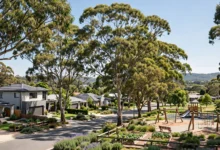
Further out are neighborhoods built mostly from the 1930s to today, including EUR, Torrino, Talenti, Monte Sacro, Balduina, Vigna Clara, Collina Fleming, Monteverde Nuovo, Bufalotta, Casal Palocco, Infernetto, and Olgiata. Here you’ll find post-war apartment blocks, modern condominiums with lifts and parking, gated villa estates, and new developments.
In this guide, “modern suburbs” covers this outer ring, while we treat the semi-central districts as a middle ground between old and new.
The Rome Property Market in 2026
The Rome property market has strengthened over the past two years, driven by demand from Italian families, foreign buyers, students, and the tourism sector.
Key Rome Property Prices in 2026
According to Immobiliare.it’s Rome housing price data, the citywide average asking price reached roughly €3,800 to €3,900 per square metre in 2026, up more than 6% year on year. Prices vary widely by area:
| Area | Approximate asking price per m² (2026) | Market profile |
|---|---|---|
| Centro Storico | About €8,700+ | Trophy market, scarce supply |
| Parioli, Flaminio | About €6,500 to €6,700 | Upscale residential |
| Prati, Borgo, Mazzini | About €6,300 | Stable, central, popular with expats |
| Aventino, San Saba | About €6,600 | Quiet, prestigious |
| Testaccio, Trastevere | About €6,400 | Lively, characterful |
| EUR, Torrino | About €4,100 | Modern, green, business district |
| Pigneto, San Lorenzo | About €4,000 | Trendy, student and creative scene |
| Outer east (Lunghezza, Castelverde) | Under €2,000 | Most affordable, long commutes |
These are asking prices, and final sale prices are often a little lower after negotiation. Exceptional apartments near major landmarks, with terraces or top-floor views, can sell far above area averages.
Rome Property Rental Market
Rents have also risen. Average long-term rents across Rome sit around €18 to €19 per square metre per month, rising to roughly €28 in the historic center and dropping to about €11 to €13 in outer areas. Strong tourism and a large student population support demand, though short-term rental rules have tightened.
What’s Driving Demand
- Tourism: Rome is one of the most visited cities in the world
- Students and academics: universities, colleges, and international programs
- Foreign buyers: Americans, British, and other Europeans looking for second homes
- Infrastructure: investment linked to the 2025 Jubilee and the extension of Metro C toward the center
- Limited supply: heritage rules restrict new building in the historic core
Historic Center Rome Property: The Dream and the Details
Buying Rome property in the historic center means owning a piece of history. It also means accepting some practical trade-offs.
Advantages of the Historic Center
- Unmatched setting: cobbled streets, piazzas, fountains, churches, and ancient ruins on your doorstep
- Walkability: most daily needs, restaurants, and cultural sites are a short walk away
- Strong long-term value: limited supply and global demand help historic center Rome property hold value through market cycles
- Rental demand: tourists, students, and visiting professionals keep central apartments in demand
- Character: high ceilings, beamed or frescoed ceilings, terracotta floors, and terraces with rooftop views
Drawbacks of the Historic Center
- High prices: expect to pay two to four times more per square metre than in many suburbs
- Small spaces: many apartments are compact, with irregular layouts
- No lift or parking: many old buildings have no elevator, and private parking is rare and expensive
- Limited car access: the ZTL (limited traffic zone) restricts cars in much of the center
- Noise and crowds: tourist areas can be busy day and night
- Renovation rules: listed buildings need approvals, and works can be slow and costly
- Older systems: wiring, plumbing, insulation, and humidity issues are common
Best Historic Center Neighborhoods
Monti is one of the most charming areas, close to the Colosseum and Roman Forum, with artisan shops, wine bars, and a village feel.
Campo de’ Fiori and Piazza Navona are lively, central, and popular with tourists, ideal for buyers who want to be in the heart of everything.
Tridente (around the Spanish Steps, Via del Corso, and Piazza del Popolo) is the most exclusive part of the center, with luxury shopping and top prices.
The Jewish Ghetto offers history, restaurants, and a slightly quieter atmosphere near the river.
Trastevere, just across the Tiber, has narrow lanes, ivy-covered buildings, and lively nightlife. It’s beloved by expats, though some streets are noisy at night.
Semi-Central Districts: The Middle Ground
Many buyers find their ideal Rome property in the semi-central districts, which combine elegance, space, and convenience.
- Prati: close to the Vatican, with wide boulevards, grand early 1900s buildings, good shopping, and metro access. A favorite for families and expats.
- Parioli: green, upscale, and residential, popular with diplomats and wealthy Roman families. Close to Villa Borghese.
- Aventino and San Saba: quiet hilltop streets, villas, and gardens with a calm, prestigious feel.
- Testaccio: a traditional Roman food neighborhood with a famous market and a strong local identity.
- Monteverde Vecchio: leafy and residential, near Villa Pamphili, with good-sized apartments.
- Pigneto and San Lorenzo: younger and more creative, with bars, galleries, and a large student population, plus prices well below the center.
These districts usually offer bigger apartments, lifts, and better building services than the historic center, while still feeling central.
Modern Suburbs Rome Property: Space and Practicality
Rome’s modern suburbs appeal to families, long-term residents, and buyers who want more space for their budget.
Advantages of Modern Suburbs
- More space for the money: larger apartments, balconies, terraces, and sometimes gardens
- Modern buildings: lifts, parking, storage cellars, and better energy efficiency in newer builds
- Greener surroundings: parks, tree-lined streets, and less tourist traffic
- Family-friendly: international schools, sports clubs, and shopping centers nearby
- Lower prices: suburban Rome property can cost half or less per square metre compared with the center
Drawbacks of Modern Suburbs
- Car dependence: many suburbs rely on cars and buses, and traffic in Rome can be heavy
- Less charm: post-war apartment blocks can feel less distinctive
- Longer trips to the center: commutes can take 30 to 60 minutes depending on the area
- Varied quality: building standards and neighborhood quality differ a lot
- Lower tourist rental demand: short-term rental income is usually weaker than in the center
Best Modern Suburbs for Buyers
EUR was planned in the 1930s and completed after the war. It has wide avenues, rationalist architecture, an artificial lake, offices, and metro access. It’s popular with families and professionals.
Collina Fleming and Vigna Clara in the north are upscale and green, with modern apartments and villas, popular with international families and close to several international schools.
Talenti and Monte Sacro in the northeast offer solid family apartments, good shopping, and the Metro B1 line.
Balduina and Monteverde Nuovo give residential calm with views and parks, at prices below nearby central districts.
Olgiata is a gated estate north of the city with villas, golf, and private security, ideal for buyers who want space and privacy.
Casal Palocco, Axa, and Infernetto in the southwest offer villas and townhouses with gardens, close to the sea at Ostia and the airport at Fiumicino.
Historic Center vs Modern Suburbs: Side-by-Side Comparison
| Factor | Historic center | Modern suburbs |
|---|---|---|
| Price per m² | Highest, often above €8,000 | Often €2,000 to €4,500 |
| Typical size | Small to medium | Medium to large |
| Building age | Centuries old | Mostly 1930s to today |
| Lift and parking | Often missing | Usually available |
| Lifestyle | Walkable, cultural, busy | Quieter, greener, car-based |
| Short-term rental demand | Very high | Lower |
| Renovation complexity | High, especially listed buildings | Lower |
| Best for | Lifestyle buyers, investors, second homes | Families, long-term residents, value seekers |
In short, the historic center is about experience and long-term prestige, while the suburbs are about space, comfort, and value. Many buyers split the difference with a semi-central district.
Buying Rome Property as a Foreigner
Italy is open to foreign buyers. EU citizens can buy freely, and many non-EU buyers can too, depending on reciprocity agreements between Italy and their home country. Americans and British buyers, for example, can generally buy Rome property without special restrictions.
Step-by-Step Buying Process
- Get an Italian tax code (codice fiscale). You’ll need it to sign contracts, open a bank account, and pay taxes.
- Open an Italian bank account to make payments easier.
- Search and view properties through agents and listing sites.
- Make a written offer (proposta d’acquisto) with a small deposit, usually held by the agent.
- Run due diligence: check land registry records, planning compliance, building condition, and condominium accounts. A local lawyer or surveyor is strongly recommended.
- Sign the preliminary contract (compromesso), typically with a deposit of 10% to 30%.
- Complete the final deed (rogito) in front of a notary, who registers the sale and collects taxes.
The process often takes two to four months from accepted offer to completion.
Taxes and Costs of Rome Property
On top of the purchase price, budget for these costs when buying Rome property:
| Cost | Typical amount | Notes |
|---|---|---|
| Registration tax (resale, main home) | 2% of cadastral value | Requires residency in Rome within 18 months |
| Registration tax (resale, second home) | 9% of cadastral value | Applies to most foreign holiday buyers |
| VAT (new build from developer) | 4% main home, 10% second home | Higher for luxury categories |
| Notary fees | Often €2,000 to €5,000+ | Depends on price and complexity |
| Agency fees | Often 2% to 4% plus VAT | Usually paid by both buyer and seller |
| Legal and survey fees | Varies | Highly recommended for foreigners |
Cadastral value is often lower than the market price, which can reduce registration tax. Tax rules change, so confirm current rates with a notary or the Agenzia delle Entrate, Italy’s tax authority.
Ongoing Costs
- IMU: local property tax, generally due on second homes but not on a main residence (except luxury categories)
- TARI: waste collection tax based on property size
- Condominium fees: cover building maintenance, cleaning, and sometimes heating or a porter
- Utilities and insurance: electricity, gas, water, and home insurance
Renovating Rome Property: What to Know
Many buyers in the center purchase older apartments to renovate. That can add value, but it needs careful planning.
- Listed buildings: if a building is protected, works may need approval from the Soprintendenza, the heritage authority, which can take time.
- Condominium rules: changes to shared parts, facades, or windows usually need building approval.
- Planning compliance: make sure the floor plan matches official records before buying, since unapproved changes can delay or block a sale.
- Tax incentives: Italy has offered renovation tax credits, though rates and eligibility have changed often. Check what applies before you plan works.
- Contractors: get several quotes and use builders with experience in historic properties.
In the suburbs, renovations are usually simpler and cheaper, especially in post-war or modern buildings.
Renting Out Rome Property
Rental income is a major reason many foreigners buy Rome property.
Short-Term Rentals
The historic center and Trastevere are top areas for holiday rentals. Italy now requires a national identification code (CIN) for short-term rentals, along with guest registration and local tourist taxes. Rules on check-in and safety have tightened in recent years, so confirm current requirements before buying with rental income in mind.
Long-Term Rentals
Semi-central districts like Prati, Parioli, Monteverde, and San Lorenzo attract students, professionals, and diplomats. Suburbs near universities, offices, or international schools can also produce steady long-term income with less management than holiday lets.
7 Smart Tips Before Buying Rome Property
- Decide on lifestyle first. Choose between walkable history, semi-central balance, or suburban space before viewing.
- Visit at different times. Check noise, crowds, and traffic in the morning, evening, and weekend.
- Hire a local lawyer or surveyor. Independent checks protect you from planning, title, and building problems.
- Check the building, not just the apartment. Look at the lift, roof, facade, and condominium accounts.
- Understand transport. Look at metro and tram access, ZTL rules, and parking options.
- Budget for extra costs. Include taxes, notary and agency fees, furnishing, and renovation.
- Think about resale. Light, views, lifts, terraces, and good transport links help Rome property hold value over time.
Frequently Asked Questions About Rome Property
Is Rome property a good investment in 2026?
Rome property has shown steady price growth, with citywide asking prices up more than 6% year on year in 2026. The historic center tends to hold value well, while semi-central and suburban areas can offer better rental yields. As with any market, returns depend on location, purchase price, and costs.
How much does Rome property cost per square metre?
In 2026, Rome property averages roughly €3,800 to €3,900 per square metre in asking prices citywide. The Centro Storico averages above €8,700, Prati and Parioli sit around €6,300 to €6,700, EUR is near €4,100, and outer eastern areas fall below €2,000.
Can foreigners buy Rome property?
Yes. EU citizens can buy freely, and many non-EU buyers, including Americans and British citizens, can buy Rome property under reciprocity rules. You’ll need an Italian tax code and should work with a notary and ideally an independent lawyer.
Is it better to buy in the historic center or the suburbs?
It depends on your goals. The historic center suits lifestyle buyers and holiday rental investors who value location and character. Suburbs suit families and long-term residents who want more space, lifts, parking, and lower prices. Semi-central districts like Prati and Monteverde offer a balance.
What extra costs come with buying Rome property?
Expect registration tax or VAT, notary fees, agency fees, and legal or survey costs. Ongoing costs for Rome property include IMU on second homes, TARI waste tax, condominium fees, utilities, and insurance.
Conclusion
Choosing Rome property comes down to a clear trade-off between history and practicality: the Centro Storico offers unmatched beauty, walkability, rental demand, and long-term prestige at prices above €8,700 per square metre, but with small spaces, older buildings, ZTL limits, and renovation rules, while modern suburbs like EUR, Collina Fleming, Talenti, Olgiata, and Casal Palocco deliver space, lifts, parking, gardens, and family-friendly living at a fraction of the cost per square metre. Semi-central districts such as Prati, Parioli, Aventino, Testaccio, and Monteverde sit in between and often give the best balance. Whatever you choose, plan for registration tax or VAT, notary and agency fees, ongoing local taxes, and careful due diligence with a local lawyer, and check rental rules before counting on income. With the right preparation, Rome property can be both a rewarding home and a lasting investment in one of the world’s great cities.