Adelaide Property Guide 2026: Hills vs Coastal Living, 12 Best Suburbs and Essential Pros and Cons
Adelaide property buyers face a big choice: Hills or coast. Compare 2026 prices, top suburbs, commute times, bushfire and coastal risks, and lifestyle.

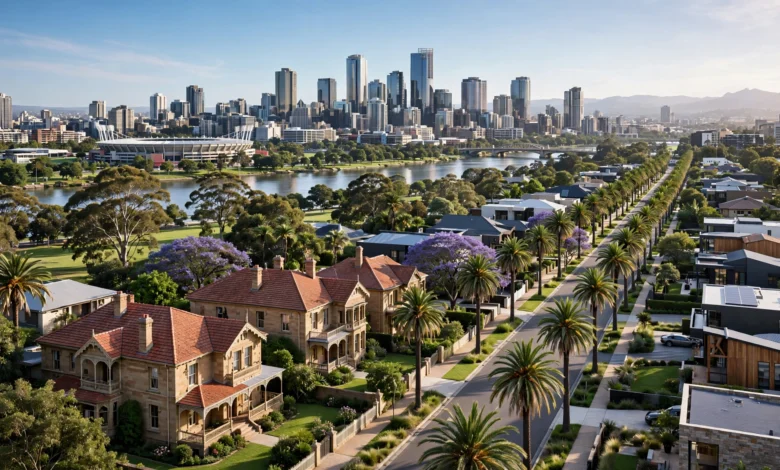
Adelaide property buyers are lucky in one important way: within half an hour of the city centre, you can wake up to gum trees and misty valleys in the Adelaide Hills, or to sea breezes and sunset swims along the Gulf St Vincent coastline. Very few Australian capitals offer two such different lifestyles so close together.
That choice, though, is a big one. The Hills offer bigger blocks, cooler summers, wineries, and village life, but also longer commutes and real bushfire risk. The coast delivers beaches, cafés, trams, and a relaxed holiday feel, but often at a higher price per square metre, with smaller blocks and growing concerns about erosion and storm damage.
The timing matters too. After a five-year run that pushed Adelaide’s median house value close to $1 million, the market has started to soften in 2026 as interest rates rise. For buyers, that means a little more negotiating room than they’ve had in years, and a good moment to think carefully about where they really want to live.
This guide compares Adelaide Hills vs coastal living side by side. You’ll get the latest Adelaide house prices, an honest look at the lifestyle, costs, and risks of each, profiles of 12 of the best suburbs in Adelaide across both regions, and practical tips on stamp duty, insurance, and building rules. By the end, you should have a clear sense of which side of the city suits your budget and your life.
The Adelaide Property Market in 2026
Adelaide spent the first half of the decade as one of Australia’s best-performing housing markets. In 2026, the mood has shifted.
Where Prices Stand Now
According to Cotality’s Home Value Index, Adelaide’s median dwelling value fell 1.3% in September 2026 to about $928,560, as reported by InDaily’s coverage of the September 2026 house price figures. That followed a fall in August, when the median house value sat at roughly $999,091 and the median unit value at about $684,469. Even after those falls, values remained well up on a year earlier, with houses up around 8.6% over the 12 months to August.
A few points stand out:
- Five years of strong growth. Adelaide dwelling values rose by well over 60% from trough to peak over the past five years, far outpacing many other capitals.
- A national downturn. Rising interest rates have pushed values down across almost every capital city since early 2026, and economists have warned the correction could run further.
- The Adelaide Hills held up well. Cotality data for the year to August 2026 showed the Adelaide Hills region with a median value just above $1 million and annual growth close to 10%.
- Coastal suburbs stay in demand. Beachside areas remain among the most sought-after in the city, with long-term demand supported by limited supply.
What This Means for Buyers
A softer market is usually better for buyers than sellers. Expect more listings, longer selling times, and sellers who are more open to negotiation. The trade-off is that higher interest rates reduce how much you can borrow, so it’s worth getting pre-approval and stress-testing your repayments before you start inspecting.
Why Hills vs Coast Is Such a Common Question
Adelaide is unusually compact. The Hills face of the city sits just east of the CBD, and the coast is only 10 to 15 kilometres west. That means many buyers genuinely weigh both options with the same budget and the same job in the city. The decision often comes down to lifestyle, block size, and risk tolerance rather than commute alone.
Living in the Adelaide Hills
The Adelaide Hills stretch east of the city along the Mount Lofty Ranges, from leafy suburbs like Stirling and Crafers to growing towns like Mount Barker and historic villages like Hahndorf. It’s a region of orchards, vineyards, native bushland, and four distinct seasons.
The Hills Lifestyle
Life in the Hills tends to be slower and more community-focused. Weekends revolve around farmers’ markets, cellar doors, bushwalks, and local cafés. Many towns have their own main street, primary school, and sporting clubs, giving them a village feel. Summers are usually several degrees cooler than the Adelaide Plains, and winters bring fog, rain, and the occasional frost.
Property in the Hills
Adelaide Hills real estate covers a wide range:
- Character homes in established villages like Stirling, Aldgate, and Hahndorf
- Large family homes on big blocks, often 1,000 m² or more, sometimes on acreage
- Newer estates in growth areas like Mount Barker and Littlehampton
- Lifestyle properties and small farms further out, near Lobethal, Woodside, and Mount Torrens
Compared with the coast, you often get more land and house for your money, especially once you move beyond the closest suburbs to the city.
Pros of Living in the Hills
- More space. Bigger blocks, room for gardens, sheds, and pets.
- Cooler climate. A real relief during Adelaide’s hot summers.
- Natural beauty. Forests, creeks, and national parks on your doorstep.
- Strong communities. Village life with local events and close-knit neighbours.
- Food and wine. Easy access to wineries, markets, and producers.
- Good schools. A mix of well-regarded public and private schools across the region.
Cons of Living in the Hills
- Bushfire risk. The biggest issue for many buyers, covered below.
- Commute. The South Eastern Freeway is the main link to the city. It’s quick when it flows, but crashes and roadworks can cause long delays, and public transport is limited.
- Higher running costs. Heating, tank water, septic systems, and garden upkeep add up.
- Fewer services. Shopping, healthcare, and entertainment can mean a drive into the city or Mount Barker.
- Weather. Cold, wet winters and foggy mornings aren’t for everyone.
Bushfire Risk in the Adelaide Hills
The Adelaide Hills are among the most bushfire-prone areas in Australia. The 1983 Ash Wednesday fires and the 2019 Cudlee Creek fire both caused major losses in the region. If you’re buying in the Hills, take this seriously:
- Check the bushfire overlay. Many Hills properties sit in designated bushfire risk zones, which affect building rules.
- Understand the Bushfire Attack Level (BAL). New builds and major renovations may need to meet construction standards that add cost.
- Look at the surroundings. Distance to bushland, slope, access roads, and water supply all matter.
- Get insurance quotes before you buy. Premiums in high-risk areas can be significantly higher.
- Have a bushfire survival plan. The SA Country Fire Service provides guidance on preparing your home and family.
Many long-time Hills residents manage the risk well with good preparation. The key is to go in with open eyes.
Coastal Living in Adelaide
Adelaide’s metropolitan coastline runs for around 30 kilometres along Gulf St Vincent, from the northern beaches near Semaphore down through Henley Beach and Glenelg to Brighton, Seacliff, and further south toward Port Noarlunga.
The Coastal Lifestyle
Coastal living in Adelaide means calm, swimmable beaches, long jetties, and sunsets over the water. Mornings start with a walk along the esplanade, and evenings often end with fish and chips on the sand. Suburbs like Glenelg and Henley Beach have busy squares full of cafés and restaurants, while places like Semaphore and Brighton keep a more laid-back, local feel.
Property on the Coast
Adelaide coastal property includes:
- Beachfront and esplanade homes, the most prestigious and expensive
- Character cottages and villas on the streets a few blocks back from the beach
- Apartments and townhouses, especially around Glenelg and Henley Square
- Newer homes on smaller blocks where older properties have been subdivided
Blocks are generally smaller than in the Hills, and prices per square metre are often higher, particularly within walking distance of the sand.
Pros of Coastal Living
- Beach lifestyle. Swimming, walking, cycling, and water sports on your doorstep.
- Shorter, flatter commutes. Most coastal suburbs are 20 to 30 minutes from the CBD, with good road access.
- Better public transport. The Glenelg tram and suburban train lines serve much of the coast.
- Amenities. Plenty of cafés, restaurants, shops, and services nearby.
- Strong long-term demand. Beachside homes are always popular with buyers, renters, and downsizers.
- Milder winters. The sea keeps temperatures a little more moderate year-round.
Cons of Coastal Living
- Higher prices. You’ll usually pay more for less land, especially near the beach.
- Salt and wind. Sea air corrodes metal, fittings, and cars, so maintenance costs can be higher.
- Crowds. Popular beaches and squares get busy on summer weekends and during events.
- Hot summers. Without the elevation of the Hills, coastal suburbs can still swelter during heatwaves.
Coastal Erosion and Flood Risk
Adelaide’s beaches face ongoing coastal erosion, and the state government spends heavily on sand management to keep some stretches intact. Low-lying areas near the coast and the Port River can also be exposed to storm surges and flooding, and these risks may grow with rising sea levels.
Before buying near the water:
- Check whether the property sits in a flood or coastal hazard zone.
- Ask about the history of storm damage on the street.
- Get building and home insurance quotes early.
- Look at the land’s elevation and distance from the dunes.
12 Best Suburbs for Adelaide Property Buyers: Hills and Coast
Suburb medians move every month, especially in a falling market, so we’ve focused on character, price tier, and who each suburb suits. Always check recent sales before making an offer.
Best Adelaide Hills Suburbs
1. Stirling
Stirling is the unofficial capital of the inner Hills. It’s leafy, upmarket, and full of grand homes on large garden blocks. The main street has cafés, boutiques, a library, and a strong sense of community, and the freeway puts the CBD around 20 to 25 minutes away outside peak times. Expect premium prices. Stirling suits established families and professionals who want the Hills lifestyle without feeling remote.
2. Crafers and Aldgate
Just down the road from Stirling, Crafers and Aldgate offer a similar leafy feel, with access to Mount Lofty, Cleland Wildlife Park, and plenty of walking trails. Crafers sits right on the freeway, making it one of the easiest Hills suburbs for commuters. Aldgate has a village-style main street and well-regarded schools nearby. Both come with significant bushfire considerations given the surrounding forest.
3. Mount Barker
Mount Barker is one of the fastest-growing towns in South Australia. It’s a regional hub with major shopping, health services, and schools, plus large new housing estates. Prices are generally lower than in the inner Hills, and blocks are often more affordable for first-home buyers. The trade-off is a longer commute, typically 35 to 45 minutes to the city, and rapid growth has put pressure on roads and services.
4. Hahndorf
Founded by German settlers in the 1830s, Hahndorf is Australia’s oldest surviving German town and one of the Hills’ biggest tourist drawcards. Historic stone cottages line the main street, surrounded by wineries and orchards. It’s a beautiful place to live, though weekend tourist traffic is part of the deal. Hahndorf suits buyers who love heritage character and are happy with a slightly longer commute.
5. Belair
Technically in the Mitcham Hills rather than the Adelaide Hills council area, Belair offers a Hills feel close to the city. It borders Belair National Park, has a train station on the Belair line, and is popular with families thanks to good schools. It gives many of the benefits of Hills living with an easier commute, though bushfire risk still applies near the park.
6. Bridgewater
Bridgewater is a quieter, family-friendly suburb along the Cox Creek valley, known for its historic mill and green surroundings. It’s typically more affordable than Stirling while still being a short drive from the freeway. Bridgewater suits young families who want a true Hills village feel.
Best Adelaide Coastal Suburbs
7. Glenelg
Glenelg is Adelaide’s best-known beach suburb. Jetty Road and Moseley Square are packed with shops, restaurants, and bars, and the tram runs straight to the city. Property ranges from apartments with sea views to grand homes on the esplanade. It’s lively, central, and in constant demand from owner-occupiers, renters, and holiday-makers. Expect premium prices for anything near the water.
8. Henley Beach
Henley Beach combines a buzzing square and jetty with a more relaxed residential feel. It’s popular with families and professionals, and the beach is among the city’s favourites for swimming and sunsets. Homes range from older beachside cottages to large modern builds. Prices are high close to the beach and ease a little further inland.
9. Brighton
Brighton is a classic southern beach suburb with a long jetty, a strong café strip on Jetty Road, and easy access to the train line. It’s slightly quieter than Glenelg and very popular with families. Character homes and newer townhouses sit side by side. Brighton is a good fit for buyers who want beach life with a calmer pace.
10. Semaphore
Semaphore in the north-west has a strong heritage character, with a historic main street, an old-fashioned foreshore with a carousel, and a creative, community feel. It’s often more affordable than the southern beach suburbs, and nearby Port Adelaide’s ongoing renewal adds to its appeal. Semaphore suits buyers who want beachside living with personality at a lower price point.
11. Grange
Grange sits just north of Henley Beach and is known for its quiet streets, historic jetty, and the Grange train line. It’s a favourite with families and downsizers who want a peaceful beach suburb close to the action at Henley Square.
12. Port Noarlunga
Further south, Port Noarlunga offers a more affordable entry to coastal living. It’s famous for its reef, river, and cliffs, which draw snorkellers and divers. The commute is longer, around 40 minutes to the CBD, but buyers get more space for their money and a true seaside-town atmosphere. It suits first-home buyers, retirees, and anyone who values beach access over proximity to the city.
Adelaide Hills vs Coastal Suburbs at a Glance
| Suburb | Region | Price tier | Approx. drive to CBD | Best for |
|---|---|---|---|---|
| Stirling | Hills | Premium | 20–25 min | Established families |
| Crafers and Aldgate | Hills | Upper | 15–25 min | Commuters wanting forest living |
| Mount Barker | Hills | Moderate | 35–45 min | First-home buyers, growing families |
| Hahndorf | Hills | Upper-moderate | 30–35 min | Heritage lovers |
| Belair | Mitcham Hills | Upper | 20–25 min (plus train) | Families wanting easy access |
| Bridgewater | Hills | Moderate-upper | 25–30 min | Young families |
| Glenelg | Coast | Premium | 20–25 min (plus tram) | Lifestyle seekers, investors |
| Henley Beach | Coast | Premium | 20–25 min | Families, professionals |
| Brighton | Coast | Upper | 25–30 min (plus train) | Families wanting calm |
| Semaphore | Coast | Moderate | 20–25 min | Value and character |
| Grange | Coast | Upper | 20–25 min (plus train) | Families, downsizers |
| Port Noarlunga | Coast | Moderate | 35–40 min | First-home buyers, retirees |
Drive times are approximate and assume off-peak traffic.
Adelaide Hills vs Coastal Living: Head-to-Head Comparison
Here’s how the two lifestyles stack up on the factors buyers care about most.
| Factor | Adelaide Hills | Adelaide coast |
|---|---|---|
| Block size | Usually larger, often 800 m² to acreage | Usually smaller, many under 600 m² |
| Price for space | More land and house per dollar | Higher price per square metre |
| Climate | Cooler summers, cold wet winters | Hot summers, milder winters |
| Commute | Freeway-dependent, limited public transport | Shorter and flatter, tram and train options |
| Main natural risk | Bushfire | Erosion, storm surge, flooding in low areas |
| Insurance | Can be higher in bushfire zones | Can be higher in flood or coastal hazard zones |
| Lifestyle | Villages, wineries, bushwalking | Beaches, cafés, jetties, water sports |
| Running costs | Heating, tanks, septic, larger gardens | Salt-air maintenance, cooling |
| Rental demand | Steady, family-focused | Strong, broad tenant pool |
Cost of Buying
In general, buyers get more land and a bigger house for their money in the Hills, particularly in towns like Mount Barker, Bridgewater, and Woodside. Inner Hills suburbs like Stirling are a different story, with prices comparable to premium coastal areas. On the coast, the closer you get to the sand, the more you pay, and beachfront homes sit at the very top of the Adelaide property market.
Commute and Transport
The coast usually wins on commuting. The Glenelg tram and suburban train lines serving areas like Brighton, Grange, and the northern beaches give real alternatives to driving. In the Hills, most residents rely on the South Eastern Freeway, which can be fast but vulnerable to disruption. Belair is the exception, with its own train line.
Schools and Families
Both regions offer good school options. Hills families often value bigger backyards and a safe, outdoorsy upbringing. Coastal families enjoy beach access and more after-school activities nearby. Check school zones carefully, as they affect both lifestyle and resale value.
Investment and Rental Potential
For investors, Adelaide coastal property tends to attract a wider pool of tenants, including professionals, students, and short-stay visitors, which supports strong rental demand. The Hills appeal more to long-term family tenants, and lifestyle properties can be harder to rent quickly. Adelaide’s rental vacancy rates have been very low in recent years, which supports both markets.
Which Lifestyle Suits You?
Choose the Hills if you:
- Want a bigger block, space for kids or animals, and room to garden
- Prefer cooler summers and a village atmosphere
- Can work from home part of the week or don’t mind a longer drive
- Are comfortable managing bushfire risk with good preparation
Choose the coast if you:
- Love the beach and want it within walking or cycling distance
- Want an easier commute and access to public transport
- Prefer cafés, restaurants, and activity close to home
- Are happy with a smaller block in exchange for location
Many buyers find their answer by spending a few weekends living like a local in each area before committing.
Tips for Buying Adelaide Property in the Hills or on the Coast
Understand Your Upfront Costs
South Australia charges stamp duty on most property purchases, calculated on a sliding scale. At the time of writing, first-home buyers purchasing a new home or vacant land to build on don’t pay stamp duty, and may also qualify for the First Home Owner Grant on eligible new builds. Foreign buyers pay an additional surcharge. Rules and thresholds change, so check the latest figures on the RevenueSA website before you set your budget.
Other costs to plan for include conveyancing, building and pest inspections, loan fees, and moving costs.
Do Location-Specific Checks
In the Hills:
- Check bushfire overlays and the BAL rating for any planned building work.
- Inspect septic systems, rainwater tanks, and bore water if relevant.
- Look at road access and escape routes in case of fire.
- Ask about mobile coverage and internet speeds, which can vary.
On the coast:
- Check flood and coastal hazard maps.
- Inspect for salt corrosion on roofs, gutters, balconies, and fittings.
- Ask about any history of water damage or storm surges.
- Visit on a summer weekend to see how busy the area gets.
Get Insurance Quotes Early
Insurance can vary sharply between neighbouring streets in both regions. Get a quote before you make an offer, not after, so there are no surprises when your loan settles.
Use the Softer Market Wisely
With values falling across most capitals in 2026, buyers have more time and more leverage than in recent years. Use it to negotiate, add conditions to contracts where appropriate, and compare several properties. Just make sure your finances can handle further rate rises.
Think Long Term
Both the Hills and the coast have strong long-term appeal. Buy somewhere you’d be happy living through every season, not just on a sunny weekend.
This guide is general information, not financial, legal, or tax advice. Speak to a conveyancer, mortgage broker, or financial adviser about your own situation.
Conclusion
Adelaide property buyers can choose between two very different lifestyles within a short drive of the city, and the right answer depends on what you value most. The Adelaide Hills, where the regional median sat just above $1 million in 2026, offer bigger blocks, cooler summers, village communities, and wineries in suburbs like Stirling, Crafers, Aldgate, Hahndorf, Belair, Bridgewater, and the fast-growing Mount Barker, but come with longer, freeway-dependent commutes and serious bushfire risk. The coast, from Semaphore and Grange through Henley Beach, Glenelg, and Brighton down to Port Noarlunga, delivers beaches, cafés, trams and trains, and strong rental demand, at the cost of smaller blocks, higher prices per square metre, salt-air maintenance, and exposure to erosion and storm surges. With Adelaide’s median dwelling value easing to around $928,560 in September 2026 as rates rise, buyers have more room to negotiate than in years, so use it wisely: check bushfire and flood overlays, get insurance quotes early, budget for stamp duty and inspections, and spend real time in each area before deciding where your next chapter belongs.