Portland Neighborhoods: 10 Best Family-Friendly Places to Live (2026 Ultimate Guide)
Portland neighborhoods for families compared: schools, parks, home prices, and commutes in 10 top areas, plus nearby suburbs worth a look in 2026.


Portland neighborhoods each have their own personality, and that is a big part of why families love this city. One street might feel like a quiet small town with big trees and front porches, while the next is packed with coffee shops, food carts, and kids on bikes heading to the park. For parents, that variety is a gift, but it also makes the search harder.
Where you buy in Portland shapes almost everything about daily family life: which public school your kids attend, how long your commute takes, how far you are from a good playground, and whether you can walk to dinner on a Friday night. Prices also vary a lot. A house in one part of town can cost twice as much as a similar home a few miles away.
This Oregon property guide walks you through the best Portland neighborhoods for families in 2026. We looked at school ratings, parks, safety, housing costs, walkability, and access to transit to pick the areas that consistently work well for households with kids. For each neighborhood, you will get a clear picture of the homes, the lifestyle, the schools, and the trade-offs.
We also cover a handful of family-friendly suburbs just outside the city, a side-by-side comparison table, and practical tips for buying a home in Portland, Oregon, so you can narrow your search with confidence before you ever book a showing.

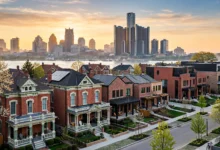
Why Portland Neighborhoods Work So Well for Families
Portland is a city of neighborhoods. It has around 95 officially recognized ones, and most of them grew around a main street with local shops, a school, and a park within walking distance. That layout is exactly what many parents want: kids can walk to school, weekend errands do not always need a car, and you get to know your neighbors.
Here is what draws families to Portland neighborhoods:
- Parks everywhere. Portland has more than 200 parks, including Forest Park, one of the largest urban forests in the country, plus splash pads, community centers, and public pools.
- Strong neighborhood identity. Street fairs, farmers markets, and summer concerts in the park are a normal part of life in many areas.
- Outdoor access. Mount Hood, the Columbia River Gorge, and the Oregon Coast are all within a short drive for weekend trips.
- No sales tax. Oregon has no general sales tax, which helps with big family purchases like furniture, bikes, and school supplies.
- Transit and bike culture. MAX light rail, buses, and an extensive bike network make car-light living realistic in many parts of the city.
The Portland Housing Market in 2026
The Portland real estate market has cooled from its pandemic highs and is now fairly balanced. According to Redfin’s Portland housing market data, the median sale price was about $525,000 over the three months ending August 2026, down 3.6% from a year earlier, and homes sold in around 19 days on average. Zillow’s home value index put the typical Portland home at roughly $527,000 at the end of August.
Those citywide averages hide big differences. Close-in Northeast Portland neighborhoods and the West Hills often run well above the median, while parts of North and outer East Portland are noticeably more affordable. That is good news for families: there is a real range of options depending on your budget.
Understanding Portland’s Quadrants
Portland is divided into six “sextants”: North, Northeast, Southeast, Southwest, Northwest, and South Portland. The Willamette River splits the east and west sides, and Burnside Street splits north and south.
- East side (Northeast and Southeast): Flatter, grid streets, older bungalows and Craftsman homes, lots of walkable commercial streets.
- West side (Southwest and Northwest): Hilly and wooded, larger lots in places, quick access to downtown and the tech employers in Washington County.
- North Portland: Historically more affordable, with a growing number of family-friendly pockets.
How We Chose the Best Portland Neighborhoods for Families
Every family has different priorities, so we focused on the factors that come up most often when parents compare family-friendly neighborhoods in Portland:
- Schools: Quality of the assigned public elementary, middle, and high schools, plus nearby private and charter options.
- Parks and recreation: Distance to playgrounds, sports fields, community centers, and green space.
- Safety: Relative crime levels and how residents describe day-to-day comfort.
- Walkability: How easily kids and adults can reach school, shops, and parks on foot or by bike.
- Housing: The type of homes available, lot sizes, and how prices compare to the city median.
- Commute and transit: Access to downtown, major employers, MAX light rail, and freeways.
A quick note on schools: Portland Public Schools redraws some boundaries from time to time, and a specific address matters more than the neighborhood name. Always confirm the assigned schools for any home using the official Portland Public Schools school locator before you make an offer.
Price tiers below are relative to the citywide median: Moderate means at or a little below the median, Upper means noticeably above it, and Premium means well above it.
10 Best Portland Neighborhoods for Families in 2026
These are the Portland neighborhoods that consistently stand out for parents, spread across different parts of the city and price ranges.
1. Grant Park: Classic Northeast Portland Family Living
Grant Park is often the first name parents hear, and for good reason. Tree-lined streets, well-kept older homes, and a central park with sports fields, a playground, and a public pool make it feel like a picture-perfect family neighborhood. The Beverly Cleary Sculpture Garden in the park is a favorite with young kids.
- Schools: Served by Beverly Cleary School and Grant High School, one of the larger and more popular high schools in Portland.
- Homes: Craftsman, Colonial, and Tudor homes from the early 1900s, many with basements and generous yards.
- Lifestyle: Close to the Hollywood District and NE Broadway for shopping, groceries, and restaurants.
- Price tier: Premium
Pros: Strong schools, big park, very walkable, beautiful homes. Cons: One of the most expensive Portland neighborhoods; homes in good condition sell quickly.
2. Laurelhurst: Historic Homes Around a Beloved Park
Laurelhurst is built around Laurelhurst Park, a 30-acre green space with a duck pond, walking paths, a playground, and sports courts. Its curving streets and historic homes give it a calm, almost suburban feel even though it sits just a few minutes from downtown.
- Schools: Laurelhurst School (K to 8) and Grant or Franklin High School depending on the address.
- Homes: Large historic homes, many over 100 years old, on curving streets.
- Lifestyle: Walk to cafes on East Burnside and Belmont, with easy bus access.
- Price tier: Premium
Pros: Iconic park, quiet streets, close-in location. Cons: High prices and older homes that may need costly updates.
3. Sellwood-Moreland: Small-Town Feel in Southeast Portland
Sellwood-Moreland feels like its own small town tucked into Southeast Portland. Families love Sellwood Park, Sellwood Riverfront Park on the Willamette, the Oaks Bottom Wildlife Refuge, and Oaks Amusement Park, which has been a summer tradition for generations of Portland kids.
- Schools: Llewellyn and Sellwood-area elementary and middle schools, feeding into Cleveland High School.
- Homes: Bungalows, cottages, and newer townhomes; smaller lots than some Northeast areas.
- Lifestyle: Walkable SE 13th Avenue and Milwaukie Avenue main streets, plus the Orange Line MAX nearby.
- Price tier: Upper
Pros: Riverfront parks, strong community feel, good transit. Cons: Traffic on the Sellwood Bridge and busy weekend crowds.
4. Multnomah Village: A Village Feel in Southwest Portland
Multnomah Village is one of the most charming Southwest Portland neighborhoods for families. Its small business district has a toy store, bookstores, bakeries, and a library, and the surrounding streets are quiet and wooded. Gabriel Park, with its playground, trails, and community center, is close by.
- Schools: Neighborhood elementary schools and Ida B. Wells High School, which has a strong academic reputation.
- Homes: Mid-century ranches and cottages on larger, leafy lots.
- Lifestyle: Quiet, green, and friendly, with a quick drive to downtown and Washington County employers.
- Price tier: Upper
Pros: Good schools, larger lots, nature everywhere. Cons: Hilly terrain and some streets without sidewalks; more car-dependent than east side areas.
5. Eastmoreland: Quiet Streets and Big Trees
Eastmoreland is known for its stately homes, giant elm trees, and the Eastmoreland Golf Course and Crystal Springs Rhododendron Garden next door. It is one of the quietest and most established Portland neighborhoods on the east side.
- Schools: Duniway Elementary, a consistently popular school, with Cleveland High School nearby.
- Homes: Large historic homes on wide lots.
- Lifestyle: Reed College campus, Westmoreland shops, and easy access to the Orange Line MAX.
- Price tier: Premium
Pros: Peaceful, beautiful, excellent elementary school. Cons: Very few homes come on the market, and prices are high.
6. Hillsdale: Strong Schools Close to Downtown
Hillsdale sits in the hills of Southwest Portland, close to Oregon Health & Science University and downtown. It is a practical choice for families who want good schools and a short commute without paying top-tier prices.
- Schools: Rieke Elementary, Robert Gray Middle School, and Ida B. Wells High School, all within the area.
- Homes: Mid-century homes, split-levels, and some newer construction.
- Lifestyle: Hillsdale Farmers Market on Sundays, a local library branch, and good bus links.
- Price tier: Upper
Pros: Short commute, strong school pathway, farmers market. Cons: Hilly, with fewer flat walking routes; busy arterial roads.
7. Mount Tabor: A Park on a Volcano
The Mount Tabor neighborhood surrounds Mount Tabor Park, a forested park built on an extinct volcanic cinder cone. Kids love the trails, playground, and open views, and families appreciate being close to the shops and restaurants on Belmont and Hawthorne.
- Schools: Glencoe Elementary and Franklin High School are among the commonly assigned schools.
- Homes: Craftsman and bungalow homes plus some larger view properties.
- Lifestyle: Highly active, with runners, cyclists, and dog walkers filling the park daily.
- Price tier: Upper
Pros: Huge park, great dining nearby, strong community events. Cons: Prices have risen fast, and some streets get busy park traffic.
8. Concordia: A Value Pick in Northeast Portland
Concordia offers much of what makes Northeast Portland appealing at a slightly lower price than Grant Park or Irvington. The Alberta Arts District is right next door, and Fernhill Park offers sports fields, trails, and one of the best playgrounds in the area.
- Schools: Faubion School (PK to 8) and nearby high school options in Northeast Portland.
- Homes: Bungalows, Craftsman homes, and some newer infill.
- Lifestyle: Close to Alberta Street, Concordia University’s former campus area, and NE 42nd Avenue shops.
- Price tier: Moderate to Upper
Pros: Walkable, artsy, good parks, slightly better value. Cons: Some busy streets and growing demand.
9. Woodstock: Affordable and Friendly in Southeast
Woodstock is a relaxed Southeast Portland neighborhood with a small main street, a library, a community center, and Woodstock Park. It tends to be more affordable than nearby Eastmoreland and Sellwood while still offering a strong sense of community.
- Schools: Woodstock Elementary, which offers a well-known Mandarin immersion program, with Cleveland or Franklin High School.
- Homes: Bungalows and mid-century homes on reasonable lots.
- Lifestyle: Neighborhood farmers market in summer and an easy drive to Reed College and Sellwood.
- Price tier: Moderate to Upper
Pros: Good value, language immersion option, friendly vibe. Cons: Fewer shops and restaurants than trendier areas; limited light rail access.
10. St. Johns: Room to Grow in North Portland
St. Johns, at the tip of North Portland, has the feel of a separate small town, complete with its own downtown and the striking St. Johns Bridge. Cathedral Park, Pier Park, and the Smith and Bybee Wetlands give families plenty of outdoor space, and homes are more affordable than in most close-in Portland neighborhoods.
- Schools: James John Elementary and nearby options, with Roosevelt High School.
- Homes: Older bungalows, cottages, and newer townhomes at accessible prices.
- Lifestyle: Weekly farmers market, local restaurants, and a strong community identity.
- Price tier: Moderate
Pros: Affordable, distinctive character, great parks. Cons: Longer commute to downtown and the west side; schools vary more by address.
Portland Neighborhoods Compared at a Glance
Use this table to compare the best Portland neighborhoods for families side by side. Price tiers are relative to the citywide median of about $525,000.
| Neighborhood | Area | Price tier | Signature park | High school (typical) | Best for |
|---|---|---|---|---|---|
| Grant Park | Northeast | Premium | Grant Park | Grant | Top schools, classic homes |
| Laurelhurst | Northeast/Southeast | Premium | Laurelhurst Park | Grant or Franklin | Historic charm, close-in living |
| Sellwood-Moreland | Southeast | Upper | Sellwood Riverfront Park | Cleveland | Small-town feel by the river |
| Multnomah Village | Southwest | Upper | Gabriel Park | Ida B. Wells | Larger lots, green streets |
| Eastmoreland | Southeast | Premium | Crystal Springs Garden | Cleveland | Quiet, established streets |
| Hillsdale | Southwest | Upper | Hillsdale Park | Ida B. Wells | Short commute, strong schools |
| Mount Tabor | Southeast | Upper | Mount Tabor Park | Franklin | Active outdoor families |
| Concordia | Northeast | Moderate to Upper | Fernhill Park | Varies by address | Value in Northeast |
| Woodstock | Southeast | Moderate to Upper | Woodstock Park | Cleveland or Franklin | Language immersion, value |
| St. Johns | North | Moderate | Cathedral Park | Roosevelt | Affordability, character |
School assignments are typical for each area but depend on the exact address, so always verify with Portland Public Schools.
Family-Friendly Suburbs Near Portland Neighborhoods
Some families want more space, newer homes, or a different school district than the city offers. These suburbs sit within a short drive of Portland neighborhoods and are popular with parents.
Lake Oswego
Lake Oswego is one of the most sought-after suburbs in Oregon. The Lake Oswego School District is highly regarded, the downtown is walkable, and parks like George Rogers Park and Tryon Creek State Natural Area are close by. Homes are among the most expensive in the region.
West Linn
West Linn offers a quieter, more residential feel with strong schools in the West Linn-Wilsonville School District, larger lots, and access to the Willamette and Tualatin rivers. It works well for families who want space and good schools and do not mind a longer drive.
Beaverton
Beaverton is close to major employers like Nike and Intel’s Hillsboro campuses and has a wide range of housing, from older homes to new developments. The Tualatin Hills Park & Recreation District runs dozens of parks, pools, and sports programs.
Happy Valley
Happy Valley, southeast of Portland, is one of the fastest-growing cities in the area. It is known for newer homes, planned communities, and family-focused parks. Most homes are newer construction, which appeals to buyers who want fewer repairs.
Camas, Washington
Just across the Columbia River, Camas offers well-rated schools, a charming downtown, and access to outdoor recreation. Washington has no state income tax, though residents still pay sales tax when they shop in Washington. Commuting across the bridges into Portland can be slow at rush hour.
City vs Suburbs: Quick Comparison
- Choose a Portland neighborhood if you value walkability, older character homes, a shorter commute to the central city, and local shops and restaurants.
- Choose a suburb if you want a newer home, a bigger yard, a specific suburban school district, or a quieter residential setting.
Tips for Buying a Family Home in Portland Neighborhoods
Buying in Portland, Oregon comes with a few local quirks. Keep these tips in mind as you tour Portland neighborhoods.
1. Check School Boundaries by Address
Two homes on the same street can feed into different schools. Use the official Portland Public Schools locator, and if a specific school is a must, confirm it in writing before you make an offer. Also look at enrollment programs, since PPS offers language immersion and focus options that may require an application.
2. Understand Oregon Property Taxes
Oregon property taxes are based on assessed value, not market value, and annual increases in assessed value are generally capped at 3%. That means two similar homes can have very different tax bills. Always check the actual tax amount on the county assessor’s record rather than estimating from the price.
3. Budget for Local Income Taxes
Oregon has a state income tax and no sales tax. Portland residents may also owe local taxes, including the Arts Tax, and higher earners may pay the Metro Supportive Housing Services tax and the Multnomah County Preschool for All tax. Factor these into your monthly budget, especially if you are moving from a state without income tax.
4. Get a Thorough Inspection on Older Homes
Many of the most charming Portland neighborhoods are full of homes built before 1940. Common issues include:
- Old knob-and-tube wiring
- Underground oil heating tanks that may need removal
- Sewer lines that need a scope inspection
- Lead paint in older homes, which matters for young children
- Foundations that may need seismic retrofitting
A sewer scope and an oil tank scan are standard requests in Portland and are worth the small cost.
5. Think About Your Commute
Crossing the Willamette at rush hour can add real time to your day. If you work on the west side or in Washington County, a Southwest Portland neighborhood may save hours each week. If you work downtown, close-in east side neighborhoods with good bus or MAX access are hard to beat.
6. Visit at Different Times
Walk the neighborhood on a weekday morning, a weekend afternoon, and an evening. Check traffic around school drop-off, noise from nearby streets, and how busy the local park gets.
7. Work With a Local Agent
A buyer’s agent who knows Portland neighborhoods well can tell you which streets flood, which blocks have the best school assignments, and how quickly homes in a given area tend to sell. In a market where well-priced homes often go in under three weeks, that local knowledge helps.
Frequently Asked Questions About Portland Neighborhoods for Families
What is the best Portland neighborhood for families?
Grant Park is often ranked as the top choice thanks to its schools, park, and walkability. Laurelhurst, Eastmoreland, and Multnomah Village are close behind. The best fit depends on your budget and where you work.
What are the most affordable family-friendly Portland neighborhoods?
St. Johns, Woodstock, and Concordia offer good value compared to premium areas like Grant Park or Eastmoreland. Parts of outer Southeast and North Portland are also more affordable.
Which Portland neighborhoods have the best schools?
Areas that feed into Grant, Ida B. Wells, Cleveland, and Franklin high schools are popular with families, including Grant Park, Hillsdale, Multnomah Village, Sellwood-Moreland, and Eastmoreland. Always check the specific address.
Is Portland a good place to raise a family in 2026?
For many families, yes. Portland offers excellent parks, walkable neighborhoods, outdoor access, and a cooler, more balanced housing market than a few years ago. Like any city, it has challenges, including housing costs and concerns about safety in some areas, so research each neighborhood carefully.
What is the average home price in Portland?
The median sale price was about $525,000 in the three months ending August 2026, according to Redfin. Prices in family-favorite Portland neighborhoods are often higher than that.
Should we live in Portland or a suburb?
Choose a Portland neighborhood for walkability, character, and a shorter commute to the city. Choose a suburb like Lake Oswego, West Linn, or Happy Valley for newer homes, larger yards, and different school districts.
Conclusion
The best Portland neighborhoods for families share a few things in common: good schools, a park within walking distance, a friendly main street, and homes that give kids room to grow. Grant Park, Laurelhurst, and Eastmoreland lead for classic homes and strong schools at premium prices, Sellwood-Moreland, Multnomah Village, Hillsdale, and Mount Tabor offer a great balance of lifestyle and location, and Concordia, Woodstock, and St. Johns give families more home for their money. With the Portland housing market steadier in 2026 and a median sale price around $525,000, buyers have more breathing room than in recent years, but the most popular areas still move fast. Confirm school assignments by address, check real property tax bills, inspect older homes carefully, and weigh your commute before you commit, and you will be well placed to find a Portland neighborhood where your family can thrive for years to come.