Seattle Neighborhood Breakdown 2026: 12 Best Areas to Buy Property, Plus Hidden Gems
A 2026 Seattle neighborhood guide for buyers, with home prices, market trends, and who each area suits best, from Queen Anne and Ballard to Beacon Hill.

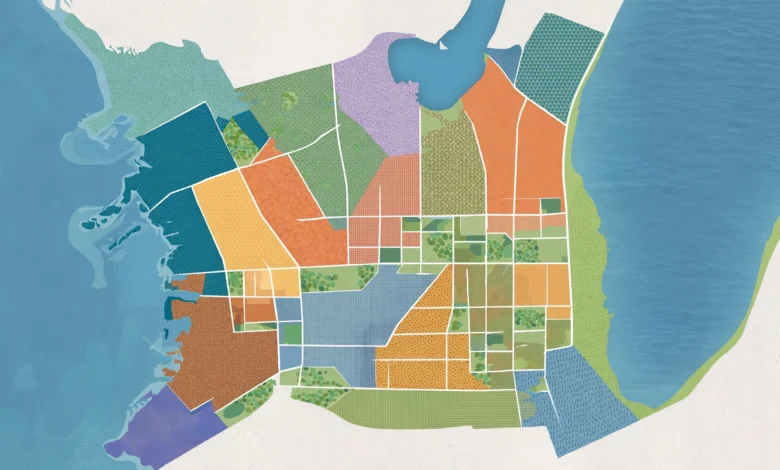
Seattle has always been a city of neighborhoods. Each one has its own hills, views, housing stock, and personality, and the price gap between them can be enormous. A craftsman in Beacon Hill and a view home in Madison Park are both “Seattle real estate,” but they can differ by $2 million or more.
That makes neighborhood choice the most important decision a buyer here will make. And in the fall of 2026, it’s also a more interesting decision than it has been in years. The Seattle median home price fell to about $891,500 in August, down roughly 9% from a year earlier. Inventory has reached more than four months of supply for the first time since 2012. Nearly a third of listings have taken a price cut. For buyers who spent the last decade losing bidding wars, that’s a real shift.
This guide breaks down 12 Seattle neighborhoods worth considering, from established favorites like Queen Anne and Ballard to value picks in the south end and a few hidden gems near new light rail stations. For each one, you’ll see typical home prices, the kind of housing you’ll find, who the neighborhood suits, and what to watch out for.
We’ll also cover the costs and rules that come with buying property in Washington State, plus practical tips for making the most of a softer market. Prices are approximate and based on 2026 market reports, so always check current listings before you make an offer.

The Seattle Housing Market in Fall 2026
Before comparing neighborhoods, it helps to understand the market you’re buying into. The short version: Seattle real estate is shifting toward buyers, but not evenly, and the best homes still sell fast.
Key Numbers at a Glance
| Measure | Latest figure | What it means |
|---|---|---|
| Median sale price (August 2026) | About $891,500 | Down roughly 9% from a year earlier |
| Single-family home median (NWMLS) | About $957,500 | Houses still cost far more than the headline median |
| Condo and townhome median (NWMLS) | About $606,325 | The main entry point for first-time buyers |
| Months of supply | About 4.3 to 4.6 | Highest since 2012, closer to a balanced market |
| Listings with a price cut (Redfin) | About 31.7% | More room to negotiate than in recent years |
| 30-year mortgage rate | Around 6.67% | Still high by recent standards |
| Payment on a median-priced house | About $5,918 per month | Roughly $462 a month less than a year ago |
According to Seattle Red’s report on August home prices, the city median dropped nearly $100,000 between July and August alone, while active inventory hit a 15-year high. Across the lake, the Eastside median fell to about $1.5 million.
A Two-Speed Market
Softer prices don’t mean every home is sitting. In August, about half of Seattle sales found a buyer within two weeks at full asking price, and roughly 23% sold above list. At the same time, nearly half of sales needed a price change before closing, and those homes took an average of 78 days.
What does that tell you? Well-priced homes in popular Seattle neighborhoods still move quickly. Overpriced homes, homes that need work, and listings at the very high end are where buyers have the most leverage right now.
Why Neighborhood Matters More Than Ever
The citywide median hides huge differences. Single-family medians in Madison Park and Laurelhurst can push past $2.5 million, while parts of Beacon Hill, Delridge, and South Park still trade under $700,000. Some areas, like Green Lake and parts of Ballard, have held value or even gained this year. Others, like Wallingford, have seen sharper declines.
That’s why this guide focuses on specific Seattle neighborhoods rather than one citywide number. Where you buy shapes your price, your commute, your lifestyle, and how much negotiating room you’ll have.
12 Best Seattle Neighborhoods to Buy Property in 2026
Here’s a quick comparison before we go deeper. Prices are approximate, drawn from 2026 market reports, and vary a lot by property type and exact location.
| Neighborhood | Typical price picture (2026) | Best for | Market trend this year |
|---|---|---|---|
| Queen Anne | About $1.05M median, higher on the hilltop | Views, established homes | Holding firm |
| Ballard | About $895K median | Walkability, craftsman homes | Modestly up |
| Capitol Hill | Condos from the $500Ks, houses often $1M+ | Car-free urban living | Stable, condo-driven |
| Wallingford | Houses around $1M | Classic North Seattle charm | Down about 8% |
| Green Lake | Above the city median | Outdoor lifestyle | Firmly positive |
| Madison Park and Laurelhurst | $2.5M+ | Luxury and waterfront | High end softening |
| West Seattle | Low to mid $800Ks | Space and community feel | Down about 2% |
| Beacon Hill | Parts under $700K | Value near downtown | Down about 3% |
| Columbia City | Below North Seattle levels | Light rail and diversity | Steady appreciation |
| Wedgwood and Maple Leaf | Near or above the city median | Families | Modestly up |
| Northgate | Condos and townhomes below city median | Transit-focused buyers | Emerging |
| Delridge and South Park | Under $700K in many pockets | First-time buyers | Value pockets |
Established Favorites
These are the Seattle neighborhoods buyers ask about most. They cost more, but they tend to hold value well and offer a strong mix of amenities.
1. Queen Anne: Views and Long-Term Stability
Queen Anne sits on a hill just northwest of downtown Seattle, with postcard views of the Space Needle, Elliott Bay, and Mount Rainier. It’s one of the city’s most established neighborhoods.
- Typical price: Around $1.05 million median in early 2026, with view homes on the upper hill costing well above that.
- Housing mix: Historic single-family homes, vintage apartments, and newer condos.
- Who it suits: Buyers who want a quiet residential feel close to downtown and Seattle Center.
Upper Queen Anne feels calm and residential, with local shops along Queen Anne Avenue. Lower Queen Anne is busier and more affordable, with condos near the theaters and restaurants around Seattle Center.
Watch out for: Steep streets, older homes that may need updates, and higher prices for anything with a real view.
2. Ballard: Walkable, Social, and Still Popular
Ballard began as a Scandinavian fishing community and is now one of the most desirable areas in Seattle. Its main streets are packed with breweries, restaurants, and a weekly farmers market.
- Typical price: About $895,000 median, with prices modestly up in 2026 when much of the city fell.
- Housing mix: Craftsman houses, townhomes, and plenty of newer condos and apartments.
- Who it suits: Buyers who want walkability, a social scene, and easy access to the water.
Ballard is also a strong rental market, with two-bedroom units averaging around $3,200 per month, among the higher rents in the city.
Watch out for: Traffic on the main routes into downtown and heavy new construction in some pockets.
3. Capitol Hill: Urban Energy and Light Rail
Capitol Hill is Seattle’s cultural hub, known for nightlife, restaurants, and a young, creative crowd. Its light rail station connects directly to downtown, the University of Washington, and South Lake Union.
- Typical price: Condos often start in the $500,000s, while single-family homes on the best blocks can top $2 million.
- Housing mix: Mostly condos and apartments, with classic homes near Volunteer Park.
- Who it suits: Buyers who want car-free living and everything within a few blocks.
The city’s One Seattle rezoning plan targets Capitol Hill for more density, which could add housing supply over time.
Watch out for: Noise near nightlife areas, parking limits, and condo HOA costs.
4. Wallingford: Classic Charm With Room to Negotiate
Wallingford sits north of Lake Union, known for tree-lined streets, craftsman homes, and Gas Works Park nearby.
- Typical price: Single-family homes around $1 million, with smaller homes and condos starting lower.
- Market trend: Prices have fallen about 8% this year, and days on market more than doubled, one of the steepest declines among central Seattle neighborhoods.
- Who it suits: Buyers who want a classic North Seattle neighborhood and are ready to negotiate.
Watch out for: Older homes that may need seismic or systems upgrades.
5. Green Lake: Outdoor Living in the City
Green Lake centers on its namesake lake and nearly three-mile walking loop, one of the most popular outdoor spots in Seattle.
- Typical price: Generally above the citywide median, especially for homes near the lake.
- Market trend: One of the few neighborhoods showing firmly positive price growth in 2026.
- Who it suits: Active buyers who want parks, trails, and easy access to I-5 and light rail at nearby Roosevelt station.
Watch out for: Competition for well-priced homes, since demand here has stayed strong.
6. Madison Park and Laurelhurst: Seattle’s Luxury Tier
Madison Park and Laurelhurst sit along Lake Washington and represent the high end of the Seattle housing market.
- Typical price: Single-family medians can push past $2.5 million, with waterfront estates far above that.
- Housing mix: Large single-family homes, many with lake views or water access.
- Who it suits: Buyers with a big budget who want space, privacy, and lake access.
Watch out for: High property taxes and a softer luxury market, which can mean more negotiating room but also slower resale.
Value Picks in South and West Seattle
These neighborhoods offer more house for the money, often with good transit access and strong community ties. They’re popular with first-time buyers and people priced out of north Seattle.
7. West Seattle: Space, Views, and a Small-Town Feel
West Seattle sits on a peninsula across the Duwamish River, with beaches at Alki, views of the Olympic Mountains, and several walkable business districts, including the Alaska Junction.
- Typical price: An overall median in the low to mid $800,000s, below many central neighborhoods.
- Market trend: Down about 2% this year, but on a large, reliable number of sales, which makes it one of the steadier markets in Seattle.
- Who it suits: Buyers who want more space, a strong community feel, and easy beach access.
West Seattle rents average around $2,095 per month, slightly below the citywide average of about $2,242.
Watch out for: Commutes depend heavily on the West Seattle Bridge, and future light rail service is still years away.
8. Beacon Hill: Close-In Value With Light Rail
Beacon Hill sits just south of downtown and is one of the most diverse neighborhoods in Seattle. Its light rail station makes the trip to downtown or the airport quick and easy.
- Typical price: Parts of the neighborhood still trade under $700,000, making it one of the more affordable close-in options.
- Market trend: Down about 3% this year, giving buyers extra negotiating room.
- Who it suits: Buyers who want city views, craftsman homes, and a short commute without paying north Seattle prices.
Watch out for: Airplane noise in some areas and wide price differences from block to block.
9. Columbia City: Transit and Community
Columbia City in the Rainier Valley has a historic main street, a busy farmers market, and its own light rail station. South Seattle neighborhoods like this one have seen strong appreciation as buyers look for value within city limits.
- Typical price: Generally below north Seattle levels, with a mix of older houses, townhomes, and new construction.
- Who it suits: Buyers who want diversity, transit access, and a lively neighborhood center.
Watch out for: Rapid change in some areas, which can bring both new amenities and rising prices.
Hidden Gems Worth a Closer Look
These Seattle neighborhoods don’t always make the top of buyer lists, but they offer real advantages, especially in a softer market.
10. Wedgwood and Maple Leaf: Family-Friendly North End
Wedgwood and Maple Leaf are quiet residential areas in northeast Seattle with good parks, mid-century and craftsman homes, and easy access to light rail at Roosevelt and Northgate.
- Typical price: Near or somewhat above the citywide median for single-family homes.
- Market trend: Modestly up in 2026, while many nearby areas slipped.
- Who it suits: Families who want a calm neighborhood, yards, and reasonable access to the University of Washington and downtown.
Watch out for: Fewer walkable shopping districts than central neighborhoods.
11. Northgate: Light Rail and Room to Grow
Northgate has changed a lot since its light rail station opened in 2021. What was once mostly known for its mall is now a growing transit hub with new apartments, condos, and townhomes.
- Typical price: Condos and townhomes often come in below the citywide median, making this an entry point for north Seattle.
- Who it suits: Transit-focused buyers and first-time buyers who want north end access at a lower price.
With the light rail line now extending north to Lynnwood, Northgate sits in the middle of a growing transit corridor.
Watch out for: Ongoing construction and a neighborhood still finding its identity.
12. Delridge and South Park: Seattle’s Affordable Frontier
Delridge in eastern West Seattle and South Park near the Duwamish River offer some of the lowest home prices in the city.
- Typical price: Many homes trade under $700,000.
- Who it suits: First-time buyers and investors willing to trade polish for price.
- What stands out: Access to green spaces like the West Duwamish Greenbelt and Longfellow Creek, plus a growing mix of new townhomes.
Watch out for: Flood risk in low-lying parts of South Park near the river, industrial neighbors, and fewer amenities than more established areas. Always check flood maps and insurance costs before buying.
Costs and Rules of Buying Property in Washington
Buying a home in Seattle comes with some costs and rules that are specific to Washington State.
Taxes and Closing Costs
- No state income tax. Washington doesn’t tax wages, which helps many Seattle buyers qualify for larger loans than they could in some other states.
- Real estate excise tax (REET). Washington charges a graduated excise tax on property sales, with higher rates on more expensive homes. The seller usually pays it, but it can affect pricing and negotiations.
- Property taxes. King County property taxes are based on assessed value and vary by location. Check the county assessor’s records for any home you’re considering.
- Capital gains. Washington’s state capital gains tax generally exempts real estate, though federal capital gains rules still apply when you sell.
Zoning and Density Changes
Washington’s middle housing law requires cities to allow more homes per lot, such as duplexes, triplexes, and cottage clusters, in areas once zoned only for single-family houses. Seattle’s One Seattle plan builds on this, especially near transit. For buyers, that can mean more townhome options and, in some neighborhoods, more construction nearby.
Home Inspection Red Flags in Seattle
Seattle’s older housing stock comes with a few common issues. Ask your inspector to check for:
- Seismic readiness. Many older homes are not bolted to their foundations. A retrofit can be a smart investment in an earthquake-prone region.
- Old heating oil tanks. Buried tanks are common in older Seattle homes and can be costly to remove if they leak.
- Drainage and moisture. The region’s rainy climate makes gutters, crawl spaces, and basements worth a close look.
- Steep lot issues. Homes on hillsides may need retaining walls or slope assessments.
- Condo HOA health. For condos, review the reserve study, special assessments, and any building repairs on the horizon.
Tips for Buying in Seattle’s 2026 Market
A softer market gives buyers more options, but only if they use them wisely. Here’s how to make the most of it:
- Get fully pre-approved. Well-priced homes still sell within two weeks, so be ready to move quickly on the right one.
- Target homes that have sat. Listings with price cuts or long days on market are where negotiating room is greatest.
- Ask for seller credits. A credit toward closing costs or a rate buydown can lower your monthly payment more than a small price cut.
- Compare neighborhoods, not just homes. A similar house can cost hundreds of thousands less a few miles away.
- Factor in commute and transit. Light rail access has become a major driver of value in Seattle.
- Think about resale. Neighborhoods that held value in 2026, like Ballard, Green Lake, and Wedgwood, may also hold up better in future downturns.
A Note for Investors
Seattle’s rental market is balanced to slightly soft, with citywide vacancy around 7.2% and average rent near $2,242 per month. Seattle also has strong tenant protections, so review local rules on notices, rent increases, and deposits before buying a rental property.
This article is for information only and isn’t financial, legal, or tax advice. Talk to a licensed real estate agent, lender, and tax professional before making a purchase.
Frequently Asked Questions
What is the median home price in Seattle right now?
The Seattle median sale price was about $891,500 in August 2026, down roughly 9% from a year earlier. Single-family homes had a median near $957,500, while condos and townhomes were closer to $606,000.
Is 2026 a good time to buy in Seattle?
For many buyers, it’s the most favorable market in years. Inventory is above four months of supply for the first time since 2012, according to the Madrona Group’s September 2026 housing market report, and nearly a third of listings have taken a price cut. Mortgage rates remain high, though, so affordability still depends on your budget and loan terms.
What is the most affordable neighborhood in Seattle?
Parts of Beacon Hill, Delridge, and South Park still have homes trading under $700,000. Condos in Capitol Hill, Northgate, and downtown can also offer a lower entry point.
Which Seattle neighborhoods have held their value best?
In 2026, Green Lake has shown firm gains, while Ballard, Wedgwood, and Maple Leaf have been modestly up. Wallingford and parts of the Eastside high end have seen the sharpest declines.
Which Seattle neighborhoods are best for families?
Wedgwood, Maple Leaf, West Seattle, and Queen Anne are popular with families for their parks, quieter streets, and single-family homes.
Conclusion
Seattle’s neighborhoods offer something for nearly every buyer, and the fall 2026 market gives buyers more leverage than they’ve had in years, with the city median down about 9% to roughly $891,500, inventory above four months of supply for the first time since 2012, and nearly a third of listings cutting prices; established favorites like Queen Anne, Ballard, Capitol Hill, Wallingford, Green Lake, and Madison Park offer views, walkability, and long-term stability at higher prices, value picks like West Seattle, Beacon Hill, and Columbia City deliver more space and transit access for less, and hidden gems like Wedgwood, Maple Leaf, Northgate, Delridge, and South Park open doors for families and first-time buyers, so the smartest approach is to compare neighborhoods carefully, budget for Washington-specific costs, inspect older homes closely, and use today’s softer market to negotiate a better deal.