Chicago Neighborhoods Compared: 10 Proven Picks in the Best Illinois Property Guide for 2026
Chicago neighborhoods compared on 2026 home prices, property taxes, transit, schools and lifestyle so Illinois buyers can choose with confidence.

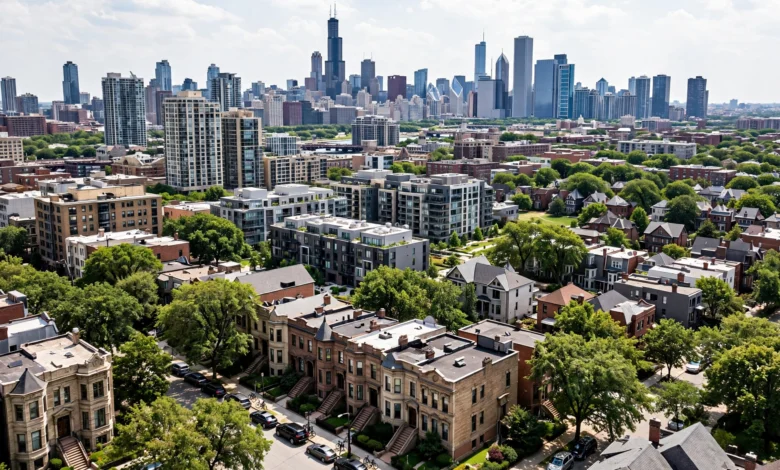
Chicago neighborhoods are the real story of Illinois property. Ask anyone who lives here where they’re from and they won’t say “Chicago.” They’ll say Logan Square, Beverly, Andersonville or Hyde Park. The city has 77 official community areas and well over 200 informal neighborhoods, and each one has its own housing stock, price level, transit links and personality.
That matters a lot right now. Chicago has quietly become one of the strongest housing markets in the country. While prices in Florida, Texas and parts of the West have stalled, Chicago has been posting some of the best annual gains among major metros. Buyers who once treated the city as a bargain are now finding bidding wars on the North Side, rising prices on the Northwest Side and new investment in parts of the South Side.
At the same time, owning here comes with costs that surprise newcomers, especially property taxes. A home that looks affordable on a listing can carry a tax bill that changes your monthly budget in a big way.
This guide compares the main Chicago neighborhoods side by side. We cover what homes cost in 2026, which areas suit families, commuters and investors, how the CTA shapes daily life, and what you should budget for beyond the purchase price. Whether you’re relocating, buying your first condo or looking at a two-flat to rent out, the goal is to help you pick the right part of the city with clear eyes.
The Chicago Real Estate Market in 2026: The Big Picture
Before comparing individual Chicago neighborhoods, it helps to know how the whole market is behaving, because Chicago in 2026 looks very different from the Chicago of five years ago.
The headline is strong, steady growth. The April 2026 Case-Shiller report showed Chicago up 6.5% year over year, the strongest result of all 20 major metros tracked. Local sales data tells the same story. According to Illinois Realtors figures, the median sale price in the city passed $400,000 in March for the first time and reached $420,000 in May.
Different data sources measure the market in different ways, so you’ll see a range of “median price” figures. One 2026 guide based on Zillow and Redfin data puts the citywide median closer to $370,000, with neighborhood medians running from about $275,000 on the far South and West Sides to $775,000 in Old Town and more than $925,000 in Lincoln Park. That spread is the key lesson: the citywide number hides most of what matters.
What does this mean for buyers?
- Competition is real on the North Side. Well-priced homes in popular areas still draw multiple offers.
- Value still exists. Many Northwest and South Side neighborhoods offer solid homes at prices far below coastal cities.
- Condos and houses behave differently. Downtown condos have been slower, while single-family homes and two-flats in established neighborhoods lead growth.
- Property taxes shape affordability. Two homes with the same price can carry very different tax bills.
If you want to track the market yourself, the S&P Cotality Case-Shiller Chicago Home Price Index on FRED is free and updated monthly.
How to Compare Chicago Neighborhoods Before You Buy
Every buyer has different priorities, so it helps to compare Chicago neighborhoods using the same checklist. These are the factors that matter most.
Price and Housing Type
Some areas are mostly condos, some are mostly single-family homes, and many are a mix of vintage two-flats, greystones and newer construction. The type of home affects price, maintenance and property taxes.
Transit Access
The CTA ‘L’ system shapes the city. Being within a short walk of a train station can save you the cost of a car and makes a big difference in winter. The Brown, Red and Blue Lines serve most North and Northwest Side areas, while the Green, Red and Metra Electric lines serve much of the South Side.
Schools
Chicago Public Schools uses attendance boundaries for neighborhood schools, and selective enrollment and magnet schools admit students citywide. Families often pay a premium to live within the boundary of a well-regarded neighborhood elementary school.
Safety
Crime varies block by block, not just neighborhood by neighborhood. Check the city’s data portal for specific addresses, walk the area at different times, and talk to neighbors.
Lifestyle
Are you after nightlife, parks, the lakefront, quiet residential streets, or a strong local food scene? Chicago offers all of these, just not in the same place.
Chicago Neighborhoods Compared: North Side Favorites
The North Side holds many of the city’s most in-demand Chicago neighborhoods. It has the densest train network, long stretches of lakefront parks and many well-rated public schools.
Lincoln Park
Lincoln Park is one of the most established and expensive areas in the city. Tree-lined streets, historic brownstones and greystones, the zoo, the conservatory and huge lakefront parks make it a long-time favorite for families and professionals. DePaul University adds a lively student area around Fullerton and Armitage.
Recent 2026 rankings put Lincoln Park’s median home price at about $828,000, and single-family homes often go well above $1 million. It’s a stable, liquid market where homes tend to sell quickly, but upside may be more limited because prices are already high.
Best for: families with larger budgets, professionals and buyers who want a classic Chicago address.
Lakeview and Wrigleyville
Lakeview sits just north of Lincoln Park and offers a similar lakefront lifestyle at somewhat lower prices. It’s a mix of vintage condos, two-flats and single-family homes, with the Brown and Red Lines running through. Wrigleyville, around the ballpark, is loud on game days and weekends, while East Lakeview and the Southport Corridor are calmer and popular with young families.
Investors like Lakeview for strong rental demand. One 2026 analysis names Lakeview among the neighborhoods where cap rates of roughly 5% to 7% are achievable.
Best for: young professionals, first-time condo buyers, families and landlords.
Gold Coast and Old Town
The Gold Coast is Chicago’s classic luxury district, with historic mansions, doorman high-rises and quick access to Michigan Avenue and Oak Street Beach. Old Town, just west, has charming Victorian row houses, the Second City comedy club and a village feel.
Prices vary a lot because the area mixes older high-rise condos with multi-million-dollar homes. One 2026 ranking gives the Gold Coast a median of about $523,000, while Old Town medians are higher, around $775,000, reflecting its larger share of houses.
Best for: established professionals, downsizers and buyers who want walkable luxury near downtown.
Andersonville and Edgewater
Farther north, Andersonville is known for its independent shops, restaurants and Swedish heritage along Clark Street. Edgewater, next to it, stretches to the lake with high-rise condos and vintage courtyard buildings. These Chicago neighborhoods offer a strong community feel and lakefront access at prices usually below Lincoln Park and Lakeview.
The Red Line serves Edgewater, which helped after the Red and Purple Line modernization rebuilt several stations. Older condo buildings are common here, so check association finances carefully.
Best for: buyers who want character, community and value on the North Side.
Northwest Side Chicago Neighborhoods: Where Value Meets Energy
The Northwest Side has seen some of the fastest growth in the city over the last decade, driven by the Blue Line, a strong food and bar scene, and a steady flow of buyers priced out of Lincoln Park.
Wicker Park and Bucktown
Wicker Park and Bucktown were once artists’ neighborhoods. Today they are firmly established and upscale. One 2026 report notes they have fully shifted from edgy creative areas to established neighborhoods with single-family homes around $625,000. The 606 elevated trail runs through Bucktown, and the Blue Line connects both areas to downtown and O’Hare.
Expect a mix of renovated greystones, new-construction single-family homes, lofts and condos.
Best for: young professionals, couples and families who want nightlife and shopping close by.
Logan Square
Logan Square is known for its wide boulevards, historic greystones, farmers’ market and some of the city’s best restaurants. It sits on the Blue Line, which makes the commute to downtown or O’Hare easy.
Prices have climbed quickly. A 2026 ranking puts the median home price at about $638,000, alongside a growing base of families and creative professionals. Logan Square has also been one of the most debated Chicago neighborhoods on gentrification, as rising prices have pushed out many longtime residents. It’s worth being aware of that history if you’re buying here.
Best for: buyers who want character homes, great food and Blue Line access.
Avondale, Irving Park and Portage Park
These are the value picks of the Northwest Side. Avondale has quickly become a food and brewery destination. Irving Park and Portage Park are part of the “bungalow belt,” with classic brick bungalows on quiet streets.
A 2026 guide makes the point well: a Lincoln Park home might list at $1.3 million while a bungalow of similar size in Portage Park can sell for under $400,000. For families who want a yard and a garage without paying lakefront prices, these areas are hard to beat.
Best for: families, first-time house buyers and anyone looking for space at a lower price.
Downtown Chicago Neighborhoods: West Loop and South Loop
Downtown living in Chicago has its own rhythm, dominated by condos, lofts and new towers.
West Loop
The West Loop has been one of the city’s biggest success stories. Former meatpacking warehouses now house tech offices, restaurants along Randolph Street and Fulton Market, and high-end lofts. The Green and Pink Lines serve the area, and Union Station and Ogilvie make it convenient for Metra commuters.
A 2026 ranking lists a median home price of about $392,000, which reflects the large number of condos rather than a lack of demand. Luxury units and new-construction homes go far above that.
Best for: young professionals, couples and anyone who wants to walk to work, restaurants and trains.
South Loop
The South Loop offers lakefront parks, the Museum Campus and Soldier Field, with a mix of high-rises, townhomes and converted lofts. It’s often a little cheaper than the West Loop and is popular with people who want downtown access with slightly more space.
A caution for downtown condos in general: one 2026 market review notes that downtown areas face headwinds from the office real estate slump. That doesn’t make them a bad buy, but it’s a reason to negotiate firmly and study the building’s health.
Best for: downtown workers, families wanting lakefront parks, and buyers who want newer buildings.
South Side Chicago Neighborhoods: History, Architecture and Opportunity
The South Side is often overlooked by newcomers, which is a mistake. It includes some of the most architecturally rich and historically important Chicago neighborhoods, along with some of the best value in the city.
Hyde Park and Kenwood
Hyde Park is home to the University of Chicago, the Museum of Science and Industry and beautiful lakefront parks. The Metra Electric line offers a fast ride downtown. Kenwood, just north, has grand historic mansions and large homes on wide lots.
Many families choose Hyde Park for its schools, safety around campus and strong academic community. Housing includes vintage courtyard condos, co-ops, townhomes and large single-family homes. Nearby investment tied to the Obama Presidential Center in Jackson Park has added to interest in the area.
Best for: academics, families and buyers who want culture and lakefront living at lower prices than the North Side.
Bronzeville
Bronzeville was the heart of Black Chicago in the early 20th century and remains one of the city’s most culturally important areas. It has stunning greystones and rowhouses, many of them restored, and good access to the Green Line, the lakefront and downtown.
Prices here are well below comparable North Side homes, and ongoing redevelopment has attracted new buyers. It’s a strong choice for buyers who value architecture and history, but it pays to study each block, since the neighborhood is still changing.
Best for: buyers who want historic homes, space and long-term growth potential.
Pilsen
Pilsen, on the Lower West Side, is known for its Mexican heritage, colorful murals, art galleries and food. It has vintage brick homes and two-flats and sits on the Pink Line. Like Logan Square, it has faced strong gentrification pressure, and the city has used zoning and affordability measures to try to limit displacement.
Best for: artists, young buyers and investors looking at two-flats.
Beverly
Beverly, on the far South Side, feels almost suburban. It has large historic homes, big yards, a strong Irish-American community and some of the most beautiful residential streets in the city. The Metra Rock Island line runs to downtown.
Beverly often surprises buyers with how much home they can get for the money compared with North Side Chicago neighborhoods.
Best for: families who want space, yards and a tight-knit community inside the city limits.
Chicago Neighborhoods at a Glance
Here is a quick summary to help you compare. Prices are rough 2026 guides from the sources cited above, and they vary a lot by property type.
| Neighborhood | Typical Homes | Rough Price Level | Main Transit | Best For |
|---|---|---|---|---|
| Lincoln Park | Brownstones, greystones, condos | Very high | Brown, Red Lines | Families, professionals |
| Lakeview | Condos, two-flats, houses | High | Brown, Red Lines | Young buyers, landlords |
| Gold Coast / Old Town | High-rises, row houses | High to very high | Red, Brown Lines | Luxury, downsizers |
| Andersonville / Edgewater | Vintage condos, courtyards | Mid | Red Line | Community seekers |
| Wicker Park / Bucktown | Greystones, new builds, lofts | High | Blue Line | Young professionals |
| Logan Square | Greystones, two-flats | High | Blue Line | Foodies, families |
| Portage Park / Irving Park | Bungalows | Mid | Blue Line, Metra | Families on a budget |
| West Loop | Lofts, condos | Mid to high | Green, Pink Lines, Metra | Downtown workers |
| Hyde Park / Kenwood | Co-ops, condos, mansions | Mid to high | Metra Electric | Academics, families |
| Bronzeville | Greystones, rowhouses | Mid | Green Line | History lovers |
| Beverly | Large historic houses | Mid | Metra | Families wanting space |
Chicago Property Taxes: The Cost Every Buyer Must Understand
If there’s one topic that catches out-of-state buyers, it’s property taxes. Illinois has some of the highest property taxes in the country, and Cook County’s system is complicated.
How Bills Are Calculated
The Cook County Assessor sets a value for your home, the state applies an equalization factor, local taxing bodies set their levies, and exemptions reduce the final number. One 2026 lending guide estimates the effective rate in Chicago at roughly 1.8% to 2.0% of market value, which works out to about $7,200 to $8,000 a year on a $400,000 home before exemptions.
Two Installments a Year
Bills arrive in two parts. By law, the first installment is exactly 55% of the previous year’s total bill, while the second installment reflects new tax rates, levies, assessment changes and any exemptions. The second bill is where surprises show up.
Timing has been unusual lately because of the county’s system upgrade. For Tax Year 2025, about 1.8 million second installment bills were expected to be mailed on September 1, 2026, with payment due October 1, 2026. If you’re buying this fall, ask your attorney how the closing will handle this bill.
Why Homeowners Have Felt the Squeeze
After the 2024 Chicago reassessment, commercial property owners won large appeal reductions, which shifted more of the tax burden onto homeowners. That’s why some Chicago homeowners saw bills rise even when their assessed value barely changed. Chicago is reassessed every three years on a rotating cycle, so check when the neighborhood you’re buying in is next due.
Exemptions You Should Claim
The most common is the Homeowner Exemption, and your savings are calculated by multiplying the $10,000 reduction in equalized assessed value by your local tax rate. There are also exemptions for seniors, people with disabilities and veterans. You can check eligibility and apply through the Cook County Assessor’s Office.
Key tips on taxes:
- Look up the current tax bill for any home before you make an offer.
- Don’t assume the seller’s bill is what you’ll pay, since their exemptions won’t carry over automatically.
- Apply for the Homeowner Exemption as soon as you move in.
- Consider appealing if your assessment seems high compared with similar homes.
- Make sure your lender’s escrow account is funded for the second installment.
Other Buying Costs in Illinois
Property taxes are the big recurring cost, but several one-time costs matter at closing too.
Transfer Taxes
Chicago charges a real estate transfer tax on sales, and the city portion paid by the buyer is significant, generally $3.75 per $500 of the price, or 0.75%. Sellers typically cover the state and county transfer taxes and the city’s CTA portion. On a $500,000 home, the buyer’s city transfer tax alone is about $3,750. Confirm current rates with your attorney, because the city has debated changes in recent years.
Attorney Review and Closing Costs
Illinois is an attorney state. Most buyers and sellers hire real estate attorneys, and contracts usually include an attorney review period of a few business days after acceptance, when either side can propose changes. Budget for attorney fees, title insurance, lender fees, appraisal and inspection costs.
Condo Association Costs
Much of the housing in Chicago neighborhoods like Lakeview, Edgewater, the Gold Coast and the Loop is in condo buildings. Before you buy, request the association’s budget, reserve fund balance, recent meeting minutes and any planned special assessments. Many vintage buildings face costly masonry, roof and window work.
Homes in Chicago Neighborhoods: What to Inspect
Chicago’s housing stock is old, beautiful and sometimes demanding. These are the issues inspectors in Chicago see most often:
- Basement flooding. Heavy summer storms can overwhelm older sewers. Ask about past flooding, check for backflow valves and look for water marks.
- Lead service lines. Many older homes still have lead pipes connecting to the city water main. Ask whether the line has been replaced, and look into the city’s replacement programs.
- Masonry and tuckpointing. Brick and stone homes need regular repointing. Crumbling mortar can be expensive to fix.
- Old electrical and plumbing. Vintage two-flats and greystones may have outdated wiring or galvanized pipes.
- Roofs and porches. Chicago’s wooden back porches must meet safety rules and need regular upkeep.
- Heating systems. Winters are long and cold, so check the age and efficiency of the boiler or furnace.
A careful inspection is money well spent in any of the older Chicago neighborhoods.
Investing in Chicago Neighborhoods: Two-Flats and Rentals
Chicago is one of the few big US cities where regular buyers can still afford small multi-unit buildings. The classic two-flat, with one apartment on each floor, lets owners live in one unit and rent the other, which helps cover the mortgage and tax bill.
Areas like Logan Square, Avondale, Pilsen, Bronzeville and parts of Lakeview are full of two-flats and three-flats. Before buying one, keep these points in mind:
- Run the numbers with real taxes. Use the actual tax bill, not an estimate.
- Understand landlord rules. Chicago’s Residential Landlord and Tenant Ordinance sets strict rules on deposits, notices and repairs. Owner-occupied buildings with six or fewer units are exempt from much of it, but not all.
- Check short-term rental limits. The city regulates short-term rentals, and some precincts restrict or ban new ones.
- Budget for maintenance. Older buildings need regular spending on roofs, porches, boilers and masonry.
- Consider transit. Units near ‘L’ stations rent faster and command higher rents.
For many buyers, a two-flat in one of the Northwest or South Side Chicago neighborhoods is the smartest first step into property investment.
Which Chicago Neighborhood Is Right for You?
With so many options, it helps to match areas to your stage of life.
Young Professionals
Consider the West Loop, Wicker Park, Logan Square, Lakeview and the South Loop. You’ll get restaurants, nightlife and quick commutes.
Growing Families
Look at Lincoln Park, Lakeview, Hyde Park, Beverly, Portage Park and Irving Park. These areas offer parks, schools and more space.
Buyers on a Budget
Portage Park, Avondale, Edgewater, Bronzeville and Beverly offer more space for the money than the lakefront North Side.
Downsizers and Retirees
The Gold Coast, Streeterville, the South Loop and Edgewater have elevator buildings, lake views and easy access to shopping and healthcare.
Investors
Logan Square, Avondale, Pilsen, Bronzeville and Lakeview offer two-flats and strong rental demand.
A Viewing Checklist for Chicago Homes
Take this list to every showing:
- Pull the tax bill and check which exemptions the seller has.
- Ask about basement flooding and look for backflow protection.
- Check the water service line material.
- Walk to the nearest ‘L’ station and time it.
- Visit at night and on weekends, especially near bars or stadiums.
- Review condo documents, including reserves and special assessments.
- Check parking, including whether the street requires a residential permit.
- Look at the school boundary for the exact address.
- Picture the home in February, and ask about heating costs.
Frequently Asked Questions About Chicago Neighborhoods
What are the best Chicago neighborhoods to buy in 2026?
Lincoln Park, Lakeview, the West Loop, Wicker Park, Logan Square and Old Town rank highly, while Portage Park, Bronzeville, Beverly and Hyde Park offer strong value.
Are Chicago home prices still rising?
Yes. Chicago has been among the strongest major metros for price growth in 2026, though growth varies a lot by neighborhood and property type.
How much are property taxes in Chicago?
A common estimate is roughly 1.8% to 2.0% of market value per year, before exemptions. Always check the actual bill for the home you’re considering.
Which Chicago neighborhoods are best for families?
Lincoln Park, Lakeview, Hyde Park, Beverly and the bungalow belt neighborhoods like Portage Park are popular for their schools, parks and space.
Is a two-flat a good investment in Chicago?
It can be, especially if you live in one unit. Run the numbers using real taxes, repair costs and local rents before you buy.
Conclusion
Choosing between Chicago neighborhoods is really about matching your budget and lifestyle to the right part of a large and varied city, because the gap between areas is huge, from lakefront Lincoln Park homes near $1 million to solid brick bungalows in Portage Park well under half that. The North Side offers classic addresses and dense transit, the Northwest Side blends energy with growing prices, downtown suits condo buyers who want to walk everywhere, and the South Side offers history, architecture and some of the best value in Illinois. Chicago’s market has been one of the strongest in the country in 2026, but the true cost of ownership depends heavily on Cook County property taxes, transfer taxes, condo association health and the condition of older homes. Pull the real tax bill, claim your exemptions, inspect carefully for flooding and aging systems, and walk the streets at different times, and you’ll be well placed to choose the Chicago neighborhood that fits your life for years to come.