Colorado Property: Mountain vs City, 7 Proven Pros and Risks
Colorado property compared for 2026: mountain town prices, Denver market data, taxes, insurance and rental rules to guide a city or mountain purchase.

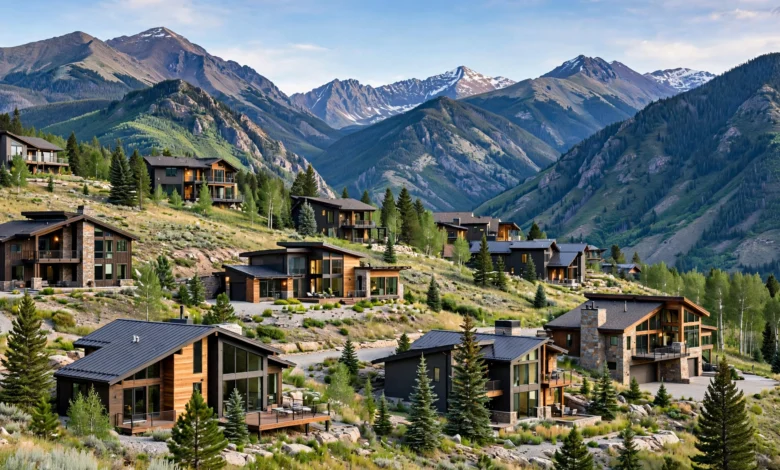
Colorado property buyers usually start with a simple question: mountain town or city? In 2026 the answer has less to do with lifestyle alone and more to do with money. Metro Denver’s median closed price was $594,495 in August, essentially flat from a year earlier, while single-family homes in Summit County averaged about $2.59 million in March and the median single-family price in Steamboat Springs was $1.57 million. That gap is only the first line of the budget. SummitDaily
The two Colorado property markets are also behaving differently. In the Denver area, buyers have more time, more choice, and often a seller concession. In the high country, the number of deals has fallen but prices have held, because expensive homes still account for a big share of the dollars. Property taxes, insurance, short-term rental rules, and resale speed change the math again once you leave the Front Range, and sometimes even in the foothills. The Durango Herald
This guide compares Colorado property in mountain towns and cities across seven factors, using data from the Denver Metro Association of Realtors, the Colorado Sun, and the Colorado Division of Insurance. You will see where each option is stronger, where the risks sit, and how to test a specific purchase before you make an offer. Every figure is a snapshot as of September 19, 2026, and this is general information, not financial or legal advice.
Colorado Property Snapshot: Mountain Towns vs Cities
Before comparing details, it helps to see the two Colorado property markets side by side. The figures come from different reports and months, so read them as rough markers rather than a perfect match.


| Measure | Metro Denver | Mountain resort towns |
|---|---|---|
| Price marker | Median close price $594,495 (August) | Summit single-family average $2.59M; Steamboat single-family median $1.57M (March) |
| Direction | Flat, down 0.25% from a year ago | Mixed: Summit down 3%, Vail down 3.7%, Steamboat down 21.4% (March) |
| Activity | Closings down 17.35% year over year | Deals down, dollar volume flat |
| Who drives the market | Detached median $649,500; attached median $370,000 | Expensive homes: above $2.2M is half of Summit dollar volume |
The pattern is clear even with rough numbers. In cities, Colorado property has lower entry prices and more negotiating room. In mountain towns, Colorado property comes with scarcity, and scarcity is expensive. Neither type of Colorado property is a bargain right now, and both are slower than they were two years ago.
What Counts as Colorado Property Here: Cities, Foothills, and Mountain Towns
“Mountain living” covers very different Colorado property markets, so it helps to split them into four groups:
- Front Range cities. Denver, Aurora, Boulder, and the suburbs around them. This is where most jobs, hospitals, and flights are.
- Foothills and mountain-adjacent towns. Evergreen, Conifer, Nederland, Bailey, and Pine sit about 45 to 75 minutes from south Denver suburbs and lack the resort price premium. Prernakapoor
- Resort towns. Aspen, Vail, Breckenridge, Steamboat Springs, Telluride, and Crested Butte. Colorado property prices here are set by second-home buyers and high-income owners.
- Western Slope and rural mountain towns. Montrose, Craig, Alamosa, and similar places, where entry prices are far lower.
One detail matters for data. The Denver Metro Association of Realtors counts Clear Creek, Gilpin, and Park counties in its 11-county Denver metro report, so some mountain-adjacent homes are already mixed into the “Denver” numbers you see in headlines.
7 Factors That Separate Mountain Town and City Colorado Property
Here are the seven differences that change the cost, risk, and day-to-day experience of owning Colorado property in each setting.
1. Price and Entry Cost
For Colorado property in metro Denver, the median closed price was $594,495 in August. Detached homes had a median of $649,500, while attached homes such as condos and townhomes had a median of $370,000. Attached prices fell nearly 5% from a year ago, so the cheapest way into the city is also the weakest part of that market. Rmcherrycreek
In the mountains, Colorado property carries a much bigger price tag. Summit County single-family homes averaged $2.59 million in March, down 3% from a year earlier, while multi-family homes rose 9% to over $940,000. Steamboat’s single-family median fell 21.4% to $1.57 million, and Vail’s average price slipped 3.7%. Aspen sits in its own league, with an average home price above $17 million last year. SummitDailyThe Durango Herald
These prices come after a long run. From 2020 through 2025, the median price rose 111% in Eagle County, 98% in Routt, 80% in Pitkin, and 71% in San Miguel and Summit counties. Anyone buying Colorado property in a resort town today is paying for that run, not for a market that has reset. Buyers who want mountain scenery for less often look at Western Slope towns. One roundup put the average Montrose home value at about $474,700 and Craig’s median price near $330,000. The Durango HeraldZoocasa
2. Market Momentum and Negotiating Power
Denver has become a Colorado property market where buyers can take their time. Closings in August fell about 19% from July and 17% from a year earlier, and median time on the market rose to 27 days, up from 21 in July. Attached homes sit longer, with a median of 45 days against 24 for detached homes. A local brokerage reported that more than 62% of sales included seller concessions. The Colorado property market in the city is slow rather than falling. Corcoran Perry & Co.
The mountain story is different. Colorado Sun reporting from May says deal counts and total dollars are flat or down across the high country, yet prices are holding. Routt County stands out, with buyer spending up 33% in the first quarter. Aspen’s top end fell sharply early in 2026, although few sellers were offering discounts. In short, sellers of Colorado property in the city are negotiating, and resort sellers mostly are not, at least not yet. The Durango Herald
3. Carrying Costs: Colorado Property Tax and HOA Fees
Colorado property tax is one of the few areas where the city and the mountains look alike. Colorado’s effective rate is among the lowest in the country, roughly 0.4% to 0.5% of market value. For 2026, the residential assessment rate is 6.8% for most local governments, applied after subtracting 10% of value up to $70,000, and 7.05% for school districts. You can read the bill in the Colorado General Assembly’s HB24B-1001 summary. Colorado Property Tax 2026: Post-Gallagher Split Assessment Rates, Senior Exemption & County Rate Comparison +2
What differs is the local mill levy, which sets the real Colorado property tax bill. A metro district in a newer subdivision can add 30 to 50 mills, which one lender guide says can roughly double a bill. Colorado reassesses in odd-numbered years and does not reset values just because a home sold. InvestorloanscoloradoInvestorloanscolorado
HOA fees are the bigger city concern. Denver’s Realtors say HOA fees are rising, and they wonder whether HOA dues erase the savings on cheaper condos. In the metro, attached homes under $300,000 have more than eight months of inventory. In resort towns, HOA dues on ski condos can be heavy too, so ask for the budget and reserve study before any offer.
4. Insurance and Natural Hazards for Colorado Property
Insurance is where Colorado property owners feel the climate. A February 2026 analysis from the state’s Division of Insurance found that hail is the largest driver of homeowners premiums, making up 26% to 54% of the average premium depending on the county. Wildfire is a smaller share on average, from 0.9% to 24.6%, but it decides whether you can get coverage at all. Wildfire-prone homes are often dropped by insurers. Hail, not wildfire, driving largest increase in Colorado’s homeowners insurance premiums +3
Here is how that splits across Colorado property in the city and the mountains:
- Denver and Front Range cities: hail is the main cost, and wildfire is only about 1% of the average Denver premium. Roof age and material matter a great deal. Colorado
- Mountain towns: even Summit County, where large hailstorms are uncommon, sees hail account for about 36% of the average premium. Wildfire risk scores then decide availability in forested areas. Colorado Public Radio
The Colorado Public Radio report on the analysis explains the numbers in detail. A law requiring insurers to disclose their wildfire risk scoring took effect in July 2026, so ask the seller for the current policy, claims history, and any non-renewal notices. Get a real quote before you make an offer, not after. Willowhome
5. Rental Income From Colorado Property and Short-Term Rental Rules
The city side of the rental story is friendly to tenants. Metro Denver’s average apartment rent was $1,758 in the first quarter of 2026, down 3.4% from a year earlier, with record concessions of about $180 a month. The vacancy rate held around 7.5%. That competes with buying a condo and pushes down landlord returns. Denver’s own Realtors note that for some households, renting is the more practical choice. The Colorado SunDenver Gazette
In resort towns, the rental income is real but the rules are tight. Breckenridge divides its zones with license caps, and local brokers report that in Breckenridge and most Summit County towns the short-term rental license does not transfer when a home sells, so the buyer starts over and may join a waitlist. Blue River put a moratorium on new licenses in May 2026. Before you rely on rental income from mountain Colorado property, confirm that the exact parcel already holds a license or can get one. Summit County CO STR Regulations 2026: Complete Guide for Property Owners and Investors +2
6. Jobs, Services, and Daily Life
Cities win on jobs, medical care, and flights. Denver has the deepest employment base in the state, and most specialist care is within a short drive. Life in the mountains asks for more planning. Winter driving on mountain passes, longer trips to major hospitals, and a smaller job market are normal parts of the deal.
The mountain economy also carries weather risk. A weak winter for snow and tourism slowed the spring listing season in 2026, according to Summit Daily reporting. Workforce housing is another long-running issue in Summit County, where local businesses say the shortage drives worker shortages. SummitDailySummit Alpine Realty
Not every mountain town works the same way, though. Routt County has more year-round residents who own their homes than most resort communities, and a local broker describes Steamboat as more of a lifestyle market than a purely resort one. Buyers of Colorado property who plan to live full time should favor places like that over towns where second homes dominate. The Durango Herald
7. Resale and Liquidity for Colorado Property
Liquidity means how fast you can sell without cutting the price much. In Denver, detached homes are the easy part, with median days on the market at 24 in August. Attached homes are harder. In the $750,000 to $999,999 range, attached homes had about ten months of inventory, and attached luxury homes averaged 99 days on the market, up from 50 a year earlier.
In the mountains, liquidity depends on price and season. A small number of large sales drives many resort averages. In Summit County, homes above $2.2 million made up half the dollars traded in the first quarter, and in Eagle County, 19 sales above $3 million made up over 40% of volume. That means the market can look busy while ordinary homes sit. If you may need to sell your Colorado property within a few years, a more liquid detached home in a larger town usually carries less risk than a niche condo in a small resort. The Durango Herald
Who Each Type of Colorado Property Fits
There is no universal winner. The right choice depends on your budget, work, and appetite for risk.
Mountain Town Colorado Property Fits You If You:
- Work remotely or in a local trade and can live there most of the year.
- Have a budget that already includes higher prices, insurance, and maintenance.
- Are buying for lifestyle and can hold through a slow market.
- Have checked short-term rental rules if you plan to rent the home.
City Colorado Property Fits You If You:
- Need a large job market, specialist healthcare, or regular flights.
- Want more negotiating power on price and closing costs.
- Prefer a lower entry price, especially for a detached home.
- Value an easier resale path.
Middle-Path Colorado Property Might Fit You If You:
- Want mountain access without resort pricing, for example in the foothills or the Western Slope.
- Can accept a longer drive to a major airport or hospital.
- Are ready to research wildfire scores and insurance before you commit to Colorado property.
A Buying Checklist for Colorado Property
Use this list whichever way you lean. It works for any Colorado property purchase, from a Denver condo to a ski-town cabin.
- Price the whole month, not the purchase. Add the mortgage, taxes, insurance, HOA dues, and utilities for the Colorado property you want. Mortgage rates have been in the mid-6% range, so the payment matters as much as the price.
- Get an insurance quote first. Ask for hail and wildfire coverage terms, deductibles, and any non-renewal history.
- Check the roof. Age and material affect both premiums and repair risk.
- Read the HOA documents. Look at dues, reserves, special assessments, and rental limits.
- Verify rental rights. For a short-term rental, confirm the license status of the exact address and whether it transfers.
- Check the tax district. Find the mill levy and any metro district charges for the Colorado property before you buy.
- Test resale. Look at days on the market for similar homes in the last six months.
- Plan your access. Think about winter roads, snow removal, water source, and distance to services.
Colorado Property Outlook for Fall 2026
Denver’s Realtors describe a Colorado property market with fewer sales, flat prices, and a wide gap between detached and attached homes. They also noted early signs that buyers may be returning, with more showings and offers on well-priced homes late in August, so timing could shift. A Zillow forecast cited by one local report calls for a small metro decline of 1.5% through July 2027, though forecasts like that are often wrong. Propcash
In the mountains, the Colorado Sun described a leveling that began in 2024, with prices staying stubborn as deal counts drop. The next test is the high-end market, where big sales have carried the numbers. Mortgage rates, the wider economy, and winter snowfall are three things likely to move the Colorado property market in the high country this year. Nobody can forecast them, so buy based on your own plan and not on a prediction. You can read the Colorado Sun’s mountain market report and the Denver Metro Association of Realtors’ August report for the full data. The Durango Herald
Frequently Asked Questions About Colorado Property
Is Colorado property cheaper in the mountains or in the city?
City Colorado property is cheaper for most buyers. Metro Denver’s median close price was $594,495 in August, while resort towns such as Summit County and Steamboat Springs average well over $1.5 million for a single-family home. Lower-cost mountain towns exist, mostly on the Western Slope.
Are Colorado property taxes high?
No. The effective rate on Colorado property is among the lowest in the country, roughly 0.4% to 0.5% of value. Your bill depends on the local mill levy, and metro districts can add a lot.
Is insurance harder to get for Colorado property in mountain towns?
Often, yes. Hail drives most of the cost statewide, but wildfire risk decides whether insurers will write or renew a policy in forested areas. Get quotes before you make an offer.
Can I rent out mountain Colorado property short term?
Sometimes. Many resort towns cap or license short-term rentals, and in places like Breckenridge the license usually does not transfer when a home sells. Confirm the status of the specific address before you buy Colorado property.
Is it a good time to buy Colorado property?
That depends on your finances and timeline. Denver buyers currently have more time and more room to negotiate, while mountain prices have held up. Mortgage rates remain high, so run your monthly numbers with a lender and speak with a licensed adviser.
Conclusion
Colorado property in September 2026 splits into two very different markets: metro Denver, where the median closed price is $594,495, buyers have time and concessions, and detached homes hold up better than condos, and the resort towns, where single-family homes cost roughly $1.6 million in Steamboat Springs and $2.6 million in Summit County, deals have slowed but prices have stayed high after gains of 71% to 111% since 2020. Costs beyond the price tag narrow the gap, since Colorado property taxes are low everywhere, hail drives insurance in the cities and wildfire risk can limit coverage in the mountains, and short-term rental licenses are tightly controlled in towns like Breckenridge. City living wins on jobs, services, and resale speed, mountain towns win on lifestyle and scarcity, and foothills and Western Slope towns offer a middle route for Colorado property buyers who want the mountains without resort pricing. Whichever you choose for your Colorado property, get an insurance quote first, read the HOA and tax documents, verify rental rights, and price the full monthly cost before you make an offer.