Dublin First-Time Buyer Guide 2026: 12 Essential Steps to Secure Your Dream Home
Dublin first-time buyer guide for 2026: prices, deposits, Help to Buy, First Home Scheme, mortgage rules and hidden costs, explained in plain terms.

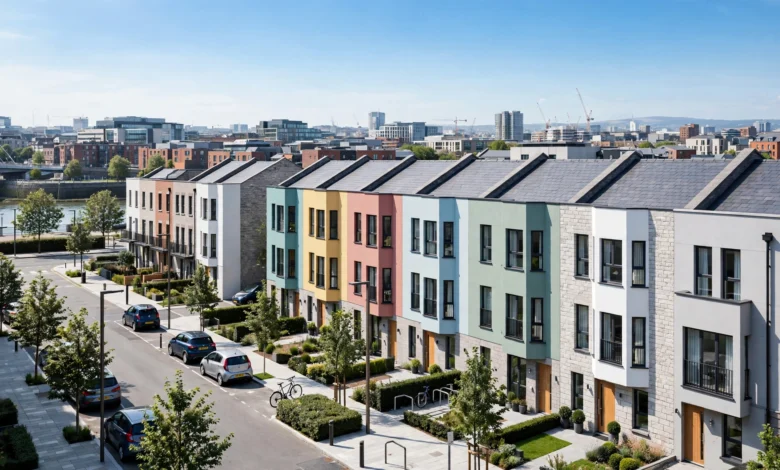
Being a Dublin first-time buyer in 2026 takes patience, planning and a clear head. Prices in the capital are higher than ever, supply is tight, and the rules around deposits, borrowing limits and government schemes can feel like a maze the first time you look at them. It’s no surprise many people put off buying for years, even when renting costs just as much every month.
The encouraging part is that the market is slowly changing. Price growth in Dublin has eased from the fast pace of recent years, and first-time buyers remain one of the biggest groups in the market, making up around four in ten household purchases. Government support has also been extended, with the Help to Buy scheme now running until the end of 2029 and the First Home Scheme still available for new builds.
What makes the difference is preparation. Buyers who understand how much they can borrow, which schemes they qualify for, and what extra costs to expect usually move faster and make fewer expensive mistakes. Buyers who go in blind often lose out to better-prepared bidders or get caught by surprise fees at closing.
This guide covers what you need to know before buying a house in Dublin for the first time. You’ll see current Dublin property prices, how the Central Bank’s mortgage rules work, how to combine the main government schemes, which areas offer better value, and a step-by-step plan from saving your deposit to collecting your keys. It’s general guidance, not financial advice, so always talk to a mortgage broker and solicitor about your own situation.


Dublin Property Prices in 2026: Where the Market Stands
Before setting a budget, it helps to understand what homes actually cost. The most reliable source is the Central Statistics Office (CSO), which publishes the Residential Property Price Index every month.
The Headline Numbers
According to the CSO’s June 2026 release, Dublin property prices rose 4.6% over 12 months, while prices outside Dublin rose 6.4%. Nationally, the median price paid for a home over the year was €396,000. You can check the latest figures in the CSO Residential Property Price Index for June 2026.
For Dublin specifically, the median is higher. Over the 12 months to June 2026, Dublin had the highest regional median at €500,000, rising to €682,334 in Dún Laoghaire-Rathdown.
Growth Is Slowing, But Prices Are Still Rising
The pace has cooled from earlier in the year. Back in January, the CSO reported Dublin prices up 6.1% year on year, with house prices up 5.6% and apartments up 7.8%. By June, Dublin’s annual growth had eased to 4.6%.
That’s welcome news, but it doesn’t mean prices are falling. One local agent put it plainly: buyers may hear that price growth is moderating, but they aren’t walking into a suddenly cheap market.
Prices Are Above the Last Peak
It’s worth knowing where today’s prices sit in history. As of January 2026, national prices were 25.3% above the 2007 peak, while Dublin prices were 10.7% above their previous peak.
Supply Remains Tight
Limited stock is a big reason prices keep rising. As of April 2026, Daft.ie data showed around 3,050 properties for sale in Dublin, which is well below historical norms.
New Builds vs Second-Hand Homes
One interesting shift in 2026: the gap between new and second-hand homes has closed. A year ago, existing homes were rising 8.8% a year versus 4.3% for new builds, but by the second quarter of 2026, both were growing at about 6%. That matters because most government schemes only apply to new builds.
Dublin First-Time Buyer Market: How Many People Are Buying?
First-time buyers are a big part of the Dublin and national market, which means competition but also shows it’s achievable.
- Monthly purchases: Revenue data in the CSO release showed 1,705 first-time buyer purchases filed in June 2026.
- Share of the market: Over the year to January 2026, first-time buyers made up 39% of all household purchases.
In other words, plenty of people in your position are getting on the ladder. The ones who succeed tend to be well prepared.
How Much Deposit Does a Dublin First-Time Buyer Need?
The deposit is usually the biggest hurdle. Here’s how it works in Ireland.
The 10% Rule
Under Central Bank rules, first-time buyers generally need a deposit of at least 10% of the purchase price. Citywide Financial also recommends budgeting extra for stamp duty and legal fees on top of the deposit.
Example: On a €450,000 home, you’d need at least €45,000 as a deposit, plus funds for extra costs.
Where Your Deposit Can Come From
- Personal savings, which lenders want to see built up over time.
- Help to Buy refund, for eligible new build purchases (more on this below).
- Gifts from family, which are usually accepted with a signed gift letter.
Engage Financial Services notes that receiving a family gift doesn’t disqualify you from Help to Buy, as long as your mortgage still covers at least 70% of the purchase price.
Show Consistent Saving
Lenders don’t just look at the total. They look at your saving pattern and spending habits over the past six months or more. Regular monthly savings and a clean bank statement make a strong impression.
Central Bank Mortgage Rules Explained
Ireland’s Central Bank sets limits on how much banks can lend. These rules shape your entire budget.
The Loan-to-Income Limit
First-time buyers can usually borrow up to four times their gross annual income.
Example: A couple earning a combined €110,000 could typically borrow up to €440,000.
Exceptions
Banks can lend above the standard limit for a portion of their mortgages. Broker doddl notes that with an exception, first-time buyers can potentially borrow up to 4.75 times income. Exceptions aren’t guaranteed and depend on your profile and the lender.
Important: JC Mortgages points out that lenders can’t grant an income exception on any mortgage that uses First Home Scheme equity, so you’re limited to standard lending limits if you use that scheme.
The Loan-to-Value Limit
First-time buyers can borrow up to 90% of the property’s value, which is why the 10% deposit is the minimum.
The Help to Buy Scheme: Up to €30,000 Toward Your Deposit
The Help to Buy scheme is one of the most valuable supports for any Dublin first-time buyer purchasing a new home.
How It Works
Help to Buy gives eligible buyers of new build homes priced under €500,000 a refund of income tax paid over the previous four years, up to €30,000 or 10% of the purchase price, whichever is lower. These enhanced limits have been extended until 31 December 2029.
Who Qualifies
To qualify, you generally need to meet these conditions:
- First-time buyer: You haven’t previously owned a home.
- New build or self-build: Second-hand homes don’t qualify.
- Price cap: The property must cost €500,000 or less.
- Mortgage size: Your mortgage must be at least 70% of the purchase price.
- Owner-occupier: It must be your main home.
Watch the €500,000 Cap in Dublin
That price cap is a hard limit. Even a property valued at €500,001 is disqualified. With Dublin’s median at around €500,000, many new builds in the capital are right at or above the threshold, so check prices carefully.
Example: MDM Solicitors notes that a €300,000 new build could qualify for the full €30,000 relief, effectively covering the entire deposit.
The First Home Scheme: Bridging the Affordability Gap
The First Home Scheme helps when your mortgage and deposit don’t quite reach the price of the home you want.
How It Works
It’s a shared equity scheme. The State and participating banks take a stake of up to 30% of the property’s value, or up to 20% if you’re also using Help to Buy. You don’t make repayments on that stake at first, but it must eventually be bought back or repaid when you sell.
Eligibility Basics
MortgageLine explains that eligibility isn’t based on strict household income caps. Instead, you must apply for your maximum mortgage amount, up to four times income, and the home must be under the local price ceiling for its area. The scheme can apply to new builds, first-time self-builds and some cases where a tenant buys from their landlord.
Combining Help to Buy and First Home
You can use both schemes together, but the 70% loan-to-value rule is key. To use both, your mortgage must be at least 70% of the purchase price. If your mortgage falls below that, you lose Help to Buy but may still use the First Home Scheme on its own.
Other Supports for First-Time Buyers
Local Authority Affordable Purchase Scheme
The Local Authority Affordable Purchase Scheme helps eligible applicants buy a home at a discount to its market value. Councils release homes in specific developments, and eligibility depends on income and other criteria, so watch for announcements from Dublin’s four local authorities.
Vacant Property Refurbishment Grant
If you’re open to renovating, this grant offers up to €70,000 for vacant or derelict homes and has been extended to 2030. It’s a way to access second-hand properties that the main schemes don’t cover.
A Key Limitation
Most schemes only help with new builds. doddl notes that Help to Buy, the First Home Scheme and the Local Authority Affordable Purchase Scheme are all limited to new build homes. If you want an older house, you’ll likely need to rely on savings and your mortgage alone.
The Hidden Costs of Buying a House in Dublin
The price of the home isn’t the only cost. Budget for these extras from the start.
Stamp Duty
Stamp duty is 1% of the property value up to €1 million and 2% on the portion above that. There’s no stamp duty exemption for first-time buyers in Ireland, and for new builds, it’s calculated on the price excluding VAT. It must be paid within 44 days.
Example: On a €450,000 home, stamp duty is €4,500.
Other Closing Costs
| Cost | Typical Amount or Note |
|---|---|
| Solicitor fees | Citywide suggests budgeting roughly €3,000 to €5,000 for legal fees |
| Valuation fee | Required by the lender, usually a few hundred euro |
| Structural survey | Strongly recommended for second-hand homes |
| Mortgage protection insurance | Usually required by lenders |
| Home insurance | Lenders typically require fire and building cover |
| Management fees | Common for apartments and managed estates |
| Moving and furnishing | Easy to underestimate |
Ongoing Costs After You Buy
- Local Property Tax, charged each year based on your home’s value band.
- Utilities, including electricity, gas, heating and broadband.
- Maintenance and repairs, especially for older homes.
- Service charges for apartments and managed developments.
Choosing Where to Buy in Dublin
Dublin prices vary a lot by area, so location is one of the biggest decisions you’ll make.
Price Differences Across Dublin
| Area | What to Expect |
|---|---|
| Dún Laoghaire-Rathdown | Most expensive local authority, median around €682,334 |
| Dublin City | Wide range, from city apartments to family homes in established suburbs |
| Fingal | North county, many new developments, slower recent growth |
| South Dublin | Mix of established estates and new builds |
Growth also differs within the capital. In the year to March 2026, house prices in Dublin City rose 6.0%, while Fingal saw a smaller 3.4% increase.
Consider the Commuter Belt
Many first-time buyers look just outside the county. Kildare’s median reached €449,999 in the year to June 2026, compared with €500,000 in Dublin. With hybrid working more common, towns in Kildare, Meath and Wicklow can offer more space for the money, though you’ll want to check commute times and transport links carefully.
What to Think About When Picking an Area
- Commute: How long will it take to reach work by public transport or car?
- Transport links: Look at DART, Luas, commuter rail and bus routes.
- Schools and childcare: Important if you plan to have children.
- Amenities: Shops, parks, gyms and healthcare nearby.
- Future development: New infrastructure can boost value over time.
- Scheme eligibility: New build areas are more likely to qualify for Help to Buy and the First Home Scheme.
12 Steps to Buying Your First Home in Dublin
Here’s a practical roadmap for any Dublin first-time buyer, from saving to collecting your keys.
Step 1: Check Your Finances
Review your income, debts, credit history and spending. Pay down short-term debts like credit cards and car loans where possible, since they reduce what you can borrow.
Step 2: Build Your Deposit
Save consistently and keep your bank statements clean. Lenders look closely at your saving habits and spending patterns.
Step 3: Talk to a Mortgage Broker
A broker can compare lenders, explain exceptions and help you work out whether you qualify for government schemes.
Step 4: Get Mortgage Approval in Principle
Mortgage approval in principle shows sellers and agents you’re a serious buyer. Most agents in Dublin expect to see it before accepting bids.
Step 5: Check Scheme Eligibility
Work out whether Help to Buy, the First Home Scheme or the Local Authority Affordable Purchase Scheme applies to you. Register for Help to Buy through Revenue if you’re buying a new build.
Step 6: Set Your Budget
Add up your deposit, maximum mortgage and any scheme support. Then subtract stamp duty, legal fees and other costs to find a realistic price range.
Step 7: Choose a Solicitor
Pick a solicitor early. They’ll handle contracts, title checks and the legal side of the purchase.
Step 8: Start Viewing Homes
Use property portals, agent mailing lists and new development launches. For new builds, register interest early since many schemes sell quickly.
Step 9: Get a Survey
For second-hand homes, a structural survey can reveal problems that aren’t visible during a viewing, from damp to roof issues.
Step 10: Make an Offer
Most Dublin sales go through online bidding managed by the estate agent. Set a firm maximum before bidding starts and stick to it.
Step 11: Get Full Mortgage Approval
Once your offer is accepted, the lender will value the property and issue formal loan approval. You’ll also need to arrange mortgage protection and home insurance.
Step 12: Sign Contracts and Close
Your solicitor manages contracts, the deposit transfer and the final closing. Once funds are released and the sale completes, you get your keys.
Common Mistakes Dublin First-Time Buyers Make
Avoid these frequent pitfalls:
- Forgetting extra costs. Stamp duty, legal fees and surveys add up quickly.
- Assuming schemes cover every home. Most only apply to new builds.
- Missing the €500,000 cap. Even a small amount over it rules out Help to Buy.
- Letting your mortgage drop below 70%. That removes Help to Buy eligibility.
- Getting emotional in bidding. Overpaying can stretch your finances for years.
- Skipping the survey. It can save you from expensive repairs later.
- Taking on new debt before closing. A car loan or big credit card bill can affect your final approval.
- Not shopping around for mortgage rates. Small rate differences add up over decades.
Tips to Improve Your Chances as a First-Time Buyer
Competition is strong, so these small advantages can help:
- Have your approval in principle ready before you start viewing.
- Be flexible on location and consider up-and-coming areas.
- Look at new developments where scheme support applies.
- Move quickly when you find the right home.
- Keep your paperwork organized, from payslips to bank statements.
- Consider apartments, which can offer a lower entry point in central areas.
- Stay patient. The right home often takes time to find.
Frequently Asked Questions for Dublin First-Time Buyers
What is the average house price in Dublin in 2026?
The median price in Dublin was around €500,000 in the 12 months to June 2026, with Dún Laoghaire-Rathdown the most expensive area at about €682,334.
How much can a first-time buyer borrow in Ireland?
Usually up to four times gross income under Central Bank rules, with exceptions sometimes allowing more.
Can I use Help to Buy on a second-hand home?
No. Help to Buy only applies to new builds and self-builds priced at €500,000 or less.
Do first-time buyers pay stamp duty in Ireland?
Yes. There’s no first-time buyer exemption. Most buyers pay 1% on homes up to €1 million.
How long is Help to Buy available?
The enhanced Help to Buy scheme, offering up to €30,000, has been extended until 31 December 2029.
Are Dublin house prices still rising?
Yes, but more slowly. Dublin prices rose 4.6% in the year to June 2026, down from 6.1% in January. You can track monthly changes in the CSO Residential Property Price Index January 2026 release and later updates.
Conclusion
Becoming a Dublin first-time buyer in 2026 means stepping into a market where the median price sits around €500,000, supply remains tight, and prices are still rising, though more slowly than before, with annual growth easing to 4.6% by June. The path is manageable with the right preparation: save at least a 10% deposit, understand the Central Bank’s four-times-income borrowing limit, and make full use of support like the Help to Buy scheme, which offers up to €30,000 on new builds under €500,000 until the end of 2029, and the First Home Scheme, which can bridge up to 30% of the price. Just remember that most schemes only cover new builds, the €500,000 cap is strict, your mortgage must stay above 70% to keep Help to Buy, and stamp duty, legal fees and surveys all need to be budgeted separately. By getting mortgage approval in principle early, working with a broker and solicitor, choosing your area carefully and following a clear step-by-step plan, you can give yourself a strong chance of securing your first home in Dublin.