Michigan Housing News: Detroit’s Revival Continues in 2026, 7 Signs Pointing to a Bright Future
Michigan housing news: Detroit's revival continues in 2026 with rising home prices, third-straight-year population growth, and new investment.

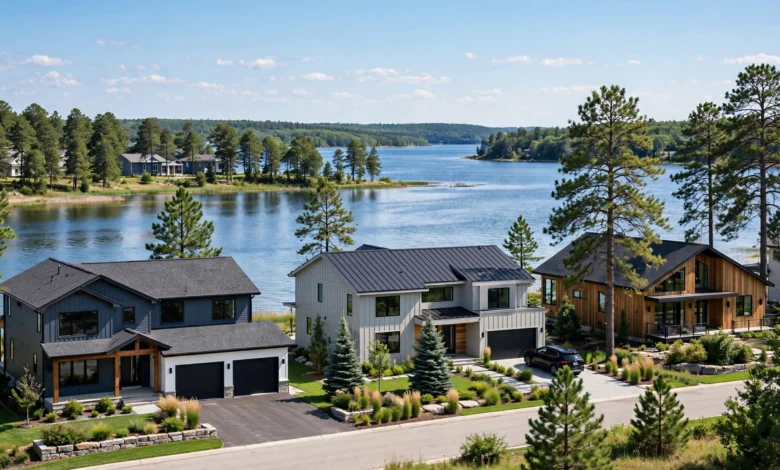
Michigan housing news: Detroit’s revival continues in 2026 with a milestone that would have seemed almost unthinkable a decade ago. According to U.S. Census Bureau estimates released in May 2026, Detroit’s population reached 649,095 residents, marking the city’s third consecutive year of growth after nearly seven decades of continuous decline. Detroit added roughly 5,060 new residents over the past year alone, and its growth rate of 0.8% actually outpaced the state of Michigan as a whole, which grew just 0.28% over the same period.
Housing prices tell a parallel story. Detroit’s median home sale price climbed 15.64% year-over-year to $99,450 as of July 2026, according to Houzeo’s market analysis, even as the city remains one of the most affordable major metros in the entire country. That combination, rising values alongside genuine population growth, marks a real turning point for a city long defined nationally by its population collapse and industrial decline rather than its recovery.
This article breaks down the Michigan housing news driving Detroit’s ongoing revival, from the specific price and population data behind the headlines to the major investments, neighborhood-level trends, and lingering challenges that complicate a simple success story. Whether you’re a prospective buyer, an investor watching the Midwest housing market, or simply curious what’s actually happening in Detroit right now, here’s the full, current picture.
Michigan Housing News: Detroit’s Population Growth Explained
The most significant piece of Michigan housing news this year isn’t a price figure at all, it’s a demographic one. Detroit’s population growth has become the foundation for nearly everything else happening in the city’s housing market, so it’s worth understanding exactly how this turnaround unfolded.

- 2023: The first increase since 1957. Detroit recorded its first confirmed annual population increase in over six decades, a milestone the City of Detroit’s official announcement described as validation of years of housing investment and neighborhood redevelopment work.
- 2024: A second straight year of gains. The city added roughly 6,971 to 6,791 residents (figures vary slightly by release), reaching approximately 644,035 to 645,705 people depending on the specific Census revision.
- 2025: A third consecutive year of growth. Detroit added another 5,000 to 5,060 residents, bringing the total population to 649,095, according to the Census Bureau’s most recent estimate, and pushing the city’s three-year cumulative gain to nearly 15,000 new residents.
- A corrected undercount. Detroit successfully challenged earlier Census Bureau estimates, leading the Bureau to acknowledge the city had been undercounted by 5,696 residents between 2021 and 2023, largely because previously abandoned buildings renovated into new housing units weren’t being properly counted as occupied.
This population growth matters enormously for Detroit’s revival, because a city adding residents faster than it’s losing them creates sustained housing demand, something that simply didn’t exist during the decades when Detroit’s population shrank from a peak of 1.8 million to roughly a third of that figure. Mayor Mike Duggan and, more recently, Mayor Mary Sheffield have both pointed to reversing population loss as the single clearest measure of the city’s turnaround, and three straight years of confirmed growth now back that claim with hard federal data.
Detroit Home Prices: What the Numbers Actually Show
Because Detroit’s housing market is tracked by several different data providers using different methodologies, it’s worth laying out the range of figures currently circulating rather than citing just one source in isolation.
| Source | Median Price | Change | As Of |
|---|---|---|---|
| Houzeo (MLS-based) | $99,450 | +15.64% YoY | July 2026 |
| Redfin | $95,000–$97,000 | Roughly flat | Late 2025/early 2026 |
| Zillow (average home value) | $77,245 | -5.1% YoY | July 2026 |
| Steadily (median listing price) | $85,300 | +13.7% YoY | Early 2026 |
| Michigan Housing Market Trends report | ~$100,000 | N/A | January 2026 |
The spread between these figures reflects real methodological differences: some track median sale price from closed transactions, others track median list price, and Zillow’s “average home value” metric weights differently across ZIP codes and property types than a straightforward sale-price median. Even accounting for that spread, one thing is consistent across nearly every source: Detroit remains dramatically more affordable than the vast majority of major U.S. cities, with typical home prices sitting well under $100,000 to $125,000 depending on the exact measure used.
A few additional data points round out the current market picture:
- Homes in Detroit are selling in roughly 46 to 57 days on average, a normalization from the ultra-fast sales pace seen during the pandemic-era housing boom
- Active inventory has recovered meaningfully, with roughly 3,582 active residential listings as of January 2026, ending what one report described as the “panic-buying” phase of recent years
- Home sales volume has surged, with 1,942 Detroit houses sold in July 2026, up over 125% from the same month the previous year, according to Houzeo’s analysis
- Industry forecasters generally expect continued, measured price appreciation of around 2% to 4% annually through the rest of 2026, a step down from the sharper gains seen earlier in the recovery but still meaningfully positive
The Investment Driving Detroit’s Comeback
Population and price data only tell part of the Detroit revival story. Behind both trends sits a wave of tangible investment that’s reshaped large sections of the city over the past several years.
- Major employer expansion downtown. Companies including Rocket Mortgage, Blue Cross Blue Shield of Michigan, and the recently opened Michigan Central Innovation District have created a stronger pull for talent, anchoring downtown’s transformation from a largely commuter business district into a genuine live-work neighborhood.
- Billions in affordable housing investment. More than $1 billion has been invested in over 4,600 units of affordable housing across Detroit over the past five years, according to the city’s own economic development data, directly supporting the population growth described above.
- Restored investment-grade bond status. Detroit returned to investment-grade bond status for the first time since 2009, a significant milestone for a city that filed the largest municipal bankruptcy in U.S. history in 2013 and one that reflects meaningfully improved fiscal management.
- Substantial wealth gains for Black homeowners. A University of Michigan study found Detroit’s Black homeowners have gained approximately $3 billion in added home equity wealth since 2014, a particularly significant figure given the city’s majority-Black population and history of discriminatory housing practices.
- Employment growth beyond the auto industry. More than 25,000 additional Detroiters have found employment since 2014, with recent job growth increasingly concentrated outside the traditional automotive sector, spanning manufacturing, professional and business services, education, construction, and healthcare.
- Meaningful crime reduction. Detroit has recorded its fewest homicides in 57 years, a public safety improvement that directly supports both population retention and continued residential investment.
- Neighborhood-level revitalization beyond downtown. Neighborhoods including Corktown, Midtown, New Center, North End/Milwaukee Junction, Core City, and Wildemere Park have all seen appreciation and renewed investment, showing that Detroit’s comeback isn’t confined purely to its downtown core.
Which Detroit Neighborhoods Are Leading the Revival
Detroit’s recovery has been meaningfully uneven across neighborhoods, a pattern worth understanding for anyone considering a purchase or investment in the city.
- Downtown Detroit remains the economic and cultural anchor, characterized by high-rise apartments and condominiums, substantial redevelopment, and proximity to major employers and waterfront parks
- Corktown and Midtown continue to outpace the citywide average price by a wide margin, drawing younger professionals and creative-class residents attracted to walkable, historic urban environments
- Boston-Edison, a historic district known for preserved Craftsman bungalows and Tudor and Colonial Revival homes, commands a premium over typical Detroit housing stock, though homes here can sit on the market longer than in hotter downtown-adjacent areas
- North End/Milwaukee Junction, Core City, and Wildemere Park represent some of the more recently emerging areas of appreciation, according to Michigan-focused housing market analysis, suggesting the revival is gradually spreading outward from its original downtown and Midtown anchors
- University City-adjacent and Ann Arbor corridor areas continue attracting buyers who want proximity to the University of Michigan’s employment and research ecosystem while maintaining Detroit-area affordability
The Challenges Still Facing Detroit’s Housing Recovery
An honest Detroit revival update has to include the genuine complications alongside the positive momentum.
- Retention, not just attraction, remains an open question. Experts caution that Detroit has been more successful attracting single young professionals than retaining families as they enter different life stages, meaning the city’s long-term population trajectory depends heavily on continued improvements to schools and family-oriented amenities.
- Growth has slowed at the national big-city level. Census Bureau statisticians noted that big-city population growth slowed significantly nationwide between 2024 and 2025, with some major hubs even posting small declines, meaning Detroit’s continued gains stand out partly because so many peer cities are struggling to sustain their own momentum.
- Wayne County overall lost residents. Even as Detroit itself grew, Wayne County as a whole lost more than 20,000 residents between 2020 and 2025, according to Census data, showing that growth is concentrated specifically within city limits rather than reflecting a broader regional trend.
- Affordability, while still strong, has a ceiling. With prices rising in the double digits annually in some measures, the city’s core affordability advantage, one of the primary forces attracting new residents, could erode if price growth continues outpacing wage growth for an extended period.
- Data measurement remains genuinely complicated. University of Michigan researchers note that accurately tracking Detroit’s population requires combining federal estimates with local administrative data like USPS delivery counts and utility usage reports, since standard Census methodology has historically struggled to capture rapid, block-by-block change in a city like Detroit.
What This Means for Buyers, Sellers, and Investors
Given the specific mix of rising prices, genuine population growth, and lingering structural questions, here’s what different market participants should take away from Detroit’s current trajectory.
For buyers:
- Detroit remains one of the most affordable major housing markets in the country, even after recent price gains, making it genuinely accessible for first-time buyers priced out of coastal and Sun Belt metros
- Neighborhood-level due diligence matters enormously, given how sharply trajectory and condition can vary block to block within the same general area
- Growing inventory and longer average days on market compared to the peak pandemic years mean buyers currently have more room to be selective than in recent years
For sellers:
- Homes in high-demand neighborhoods like Corktown and Midtown continue to command premiums well above the citywide median
- Rising sales volume, up over 125% year-over-year in July 2026 by one measure, suggests genuine buyer demand is supporting the market beyond just price appreciation on paper
For investors:
- Rental demand remains strong, with average house rents around $1,300 per month against median home prices still well under $100,000 to $125,000 in most measures, supporting favorable rent-to-price ratios in many neighborhoods
- Revitalization zones and areas benefiting from major employer expansion, particularly around the Michigan Central Innovation District, represent some of the more compelling long-term growth bets within the city
Frequently Asked Questions
Is Detroit’s population actually growing?
Yes. According to U.S. Census Bureau estimates, Detroit has now grown for three consecutive years, reaching 649,095 residents in 2025, following the city’s first confirmed annual increase since 1957, which was recorded in the 2023 estimate.
What is the median home price in Detroit in 2026?
Estimates vary by source and methodology, ranging from roughly $77,000 (Zillow’s average home value) to $99,450 (Houzeo, based on MLS closed-sale data as of July 2026), with most sources agreeing that prices have risen meaningfully, in the low double digits or higher, over the past year.
What’s driving Detroit’s housing market recovery?
A combination of factors is fueling the recovery: major employer expansion downtown (including Rocket Mortgage and the Michigan Central Innovation District), over $1 billion in affordable housing investment over the past five years, restored investment-grade bond status, significant crime reduction, and genuine population growth after decades of decline.
Is Detroit still an affordable place to buy a home?
Yes, Detroit remains one of the most affordable major U.S. housing markets, with median prices well under $100,000 to $125,000 depending on the measure used, even after several years of meaningful price appreciation.
Conclusion
Michigan housing news: Detroit’s revival continues in 2026 rests on a genuinely rare combination for a major American city: three consecutive years of confirmed population growth after nearly seven decades of decline, home prices rising at double-digit annual rates while remaining among the most affordable in the country, and billions of dollars in documented investment spanning affordable housing, major employers, and public infrastructure. The recovery isn’t evenly distributed: downtown, Corktown, and Midtown have captured a disproportionate share of the momentum; Wayne County as a whole continues losing residents even as the city itself grows; and questions remain about whether Detroit can retain families as effectively as it’s attracted young professionals. But taken together, the data marks a genuine, federally confirmed turning point rather than a marketing narrative, and it positions Detroit as one of the more compelling stories in American urban real estate heading into 2027, a city that spent decades defined by what it lost, now increasingly defined by what it’s rebuilding.