Rome Real Estate Update: Historic District Prices Climb to Record Highs, 6 Remarkable Trends in 2026
Rome real estate update: historic district prices climb to record highs in 2026 as scarcity and global demand reshape the Centro Storico.

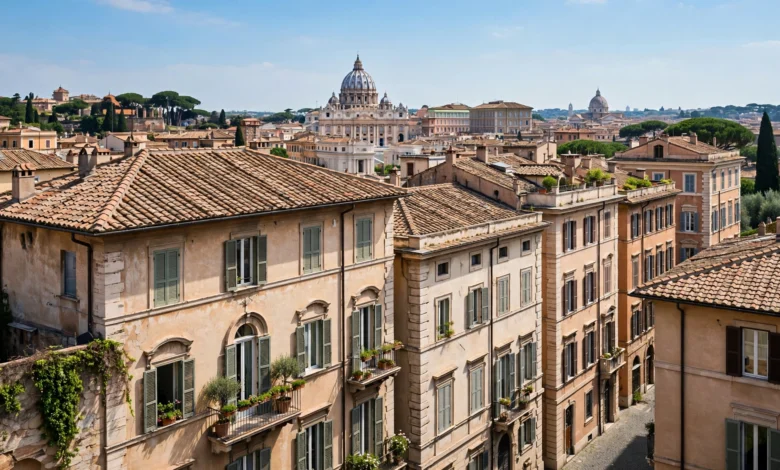
Rome real estate update: historic district prices climb to levels rarely seen even in a city long known for premium pricing at its core. As of early-to-mid 2026, average asking prices in Rome’s Centro Storico, the historic center encompassing landmarks like the Pantheon, Piazza Navona, and the Colosseum, reached approximately €8,700 to €8,749 per square meter, according to multiple Italian property analysts, with the most sought-after pocket around Piazza del Popolo commanding as much as €10,964 per square meter as of May 2026.
That premium isn’t isolated to a single hot pocket. Citywide, Rome’s average residential asking price climbed to €3,759 per square meter in March 2026, up 6.28% from the year before, the highest level recorded in at least two years, according to analysis from the Italian Real Estate Company. But the real story lies in the divergence: while peripheral districts like Lunghezza and Castelverde still trade for under €2,000 per square meter, the historic center and a handful of other premium neighborhoods, Prati, Parioli, Aventino, and Trastevere, continue pulling steadily away from the rest of the market, creating what analysts increasingly describe as a city of micro-markets rather than a single, unified real estate story.
This article breaks down exactly what’s driving Rome’s historic district price climb, how the Centro Storico compares to the city’s other premium neighborhoods, what’s fueling both the purchase and rental markets, and what buyers and investors need to understand about a market defined as much by scarcity as by growth. Whether you’re considering an investment in Rome’s property market or simply tracking one of Europe’s most storied real estate stories, here’s the complete, current picture.
Rome Real Estate Update: The Numbers Behind the Historic Center’s Climb
Because Rome’s property market is tracked by several data providers using slightly different boundaries and methodologies, it’s worth laying out the current range of figures being reported for the Centro Storico specifically.
| Source | Centro Storico Average | Peak Sub-Area | Annual Change |
|---|---|---|---|
| Immobiliare.it (May 2026) | Highest at Piazza del Popolo: €10,964/m² | Sallustiano (lowest): €6,468/m² | N/A |
| Italian Real Estate Company (May 2026) | €8,749/m² | Peaks above €10,800/m² | Strong recovery cycle |
| Investropa (early 2026) | ~€8,600/m² | N/A | N/A |
| Investropa (mid-2025 data) | €8,185/m² | N/A | +9% |
| Engel & Völkers | €4,500–€10,000/m² range | N/A | N/A |
The spread reflects how differently “Centro Storico” gets drawn on the map by different analysts, some include only the tightest historic core, while others extend the boundary to include adjacent, still-premium pockets. Regardless of the exact figure used, every source agrees the historic center commands a substantial, and growing, premium over the rest of the city, typically running more than double Rome’s citywide average of €3,759 per square meter.
Rental prices in the historic center have climbed alongside sale prices. Asking rents in Centro Storico reached as high as €30.91 per square meter per month in the Piazza del Popolo area as of May 2026, with even the historic center’s more affordable pockets, like Ghetto-Portico d’Ottavia, still commanding around €22.29 per square meter monthly, both figures well above Rome’s citywide rental average.
Why Historic District Prices Are Climbing in Rome
Several structural forces explain why Rome’s Centro Storico continues pulling ahead of the broader market, and understanding each one helps clarify whether this trend has room to continue.
1. Extreme, Structural Scarcity
The historic center’s building stock is fundamentally fixed. Rome’s ancient street grid, protected architectural heritage, and strict preservation rules mean genuinely new supply simply cannot be added to meet rising demand, unlike peripheral districts where new construction remains possible. This scarcity is the single most cited factor behind the district’s premium pricing and its resilience even during broader market corrections.
2. Global, Not Just Domestic, Demand
Unlike many of Rome’s other neighborhoods, the Centro Storico draws buyers from well beyond Italy’s borders. International buyers seeking a pied-à-terre near the Pantheon or Piazza Navona compete directly with domestic buyers, adding a layer of demand that’s largely insulated from purely local Italian economic conditions, interest rate policy, or wage growth.
3. A Post-2021 Recovery Cycle Reaching New Highs
According to Italian Real Estate Company’s analysis, the Centro Storico underwent a correction phase between 2019 and 2021, likely tied to the broader disruption of the COVID-19 pandemic and its impact on tourism and short-term travel. Since then, the district has entered what analysts describe as a strong recovery cycle, reaching new highs through 2025 and into 2026, suggesting the current price climb represents a return to, and now surpassing of, pre-pandemic momentum rather than a fresh speculative spike.
4. Short-Term Rental and Tourism Demand
Rome’s enduring status as one of the world’s top tourist destinations continues to support strong short-term rental returns in the historic center specifically. Well-optimized short-term rental listings in Centro Storico can generate gross monthly revenue exceeding €4,000, according to recent investment analysis, a return profile that keeps investor demand for historic center properties elevated even as regulatory scrutiny of short-term rentals intensifies across major European cities.
5. A Market Defined by Stability Over Speculation
Unlike growth-driven emerging markets, analysts specifically characterize the Centro Storico as a market where the primary appeal is scarcity, global demand, and long-term capital preservation rather than short-term speculative returns. This positions the historic center as a reference point for buyers prioritizing stability and prestige, a dynamic that tends to support prices even when broader economic conditions soften.
6. Renewed Buyer Interest Across Both Domestic and International Segments
Rome’s broader property market has seen renewed interest from both domestic and international buyers through 2025 and 2026, alongside increased activity in the rental market. This citywide momentum, even in more accessible districts, has created a rising tide that’s lifted prices across nearly every segment, with the historic center simply capturing the largest share of that renewed demand given its unmatched scarcity and prestige.
How Rome’s Other Premium Districts Compare to the Historic Center
While the Centro Storico sits clearly at the top of Rome’s price hierarchy, several other neighborhoods form a distinct second tier of premium demand worth understanding for context.
- Prati, located northeast of the Vatican and bordered by the Tiber, trades around €6,290 per square meter with a more modest but steady annual increase of roughly 4.21%, offering what analysts describe as a balance between value and consistency compared to the historic center’s more extreme pricing.
- Parioli, one of Rome’s most established upscale residential districts, trades in a similar €6,000 to €7,000 per square meter range, combining central positioning with strong residential quality.
- Aventino, San Saba, and Caracalla trade at roughly €6,600 per square meter, forming another consistently strong premium pocket just below the historic center’s pricing tier.
- Trastevere and Testaccio command approximately €6,400 to €6,500 per square meter, with Trastevere in particular continuing to attract international buyers drawn to its distinctive character, though availability remains limited and competition for available units stays high.
- Nomentano-Tiburtino has seen especially strong growth, with one measure showing a 9.1% annual increase, driven specifically by improved transportation links rather than the scarcity and prestige factors driving the historic center.
This tiered structure reinforces the broader point that Rome functions as a genuine system of micro-markets. A buyer priced out of the Centro Storico’s roughly €8,700 per square meter average has several credible alternatives in the €6,000 to €6,700 range that still offer strong central positioning and long-term value, just without the historic center’s extreme scarcity premium.
What’s Driving Rome’s Broader Property Market Beyond the Historic Center
While this update focuses specifically on the historic district’s climb, it’s worth understanding the citywide context that’s lifting prices more broadly.
- Rental market growth is outpacing even sale price growth in some measures. Citywide rental prices reached €18.33 per square meter per month as of early 2026, up 4.74% year-over-year, with Centro Storico rents growing even faster, up as much as 9.9% annually in some tracked measures.
- The median housing price citywide sits well below the average, at approximately €265,000, since Rome’s average price is pulled significantly upward by luxury apartments concentrated in Centro Storico, Parioli, Prati, and Trastevere.
- Economic growth provides a supportive, if modest, backdrop. The European Commission has projected Italian GDP growth of roughly 1% to 1.2% for 2025 and 2026, a modest but positive backdrop that supports continued, if measured, property market momentum.
- The listing-to-sale price gap remains relatively narrow. Listed residential prices in Rome typically run just 6% to 8% above final sale prices, a comparatively tight gap that reflects genuine demand strength, particularly for well-connected properties near the center or metro lines, rather than aspirational overpricing.
What This Means for Buyers Considering Rome’s Historic Center
Given the specific dynamics driving the Centro Storico’s price climb, prospective buyers should approach this market with a clear understanding of what they’re actually purchasing.
- Understand you’re buying scarcity and prestige, not a high-growth speculative asset. The historic center’s appeal lies in long-term capital preservation and unmatched location value, not the kind of rapid appreciation seen in emerging or growth-oriented markets.
- Expect meaningful sub-area variation even within the historic center itself. With prices ranging from roughly €6,468 per square meter in Sallustiano to nearly €11,000 per square meter near Piazza del Popolo, the specific micro-location within Centro Storico matters enormously to both price and long-term value.
- Factor in the realistic luxury price range for the district. A renovated 120 to 220 square meter apartment in Centro Storico, Prati, Parioli, Aventino, or Trastevere typically runs approximately €900,000 to €3,500,000, depending on condition, floor, and specific building features like a lift or terrace.
- Consider the short-term rental income potential carefully. While well-optimized historic center listings can generate strong gross rental revenue, prospective investors should research current short-term rental regulations, which continue evolving across major European tourist cities and can materially affect projected returns.
- Look to adjacent premium districts if the historic center’s premium feels excessive. Prati, Parioli, Aventino, and Trastevere all offer strong central positioning and long-term stability at prices roughly 25% to 30% below the historic center’s average, a meaningful difference for buyers prioritizing value alongside prestige.
For readers who want to track Rome’s district-by-district pricing directly, Immobiliare.it’s Rome market data provides regularly updated, neighborhood-level asking price and rental figures, while Idealista’s Italy market reports offer additional cross-verification for anyone comparing pricing trends across multiple sources.
What This Means for Sellers and Investors in Rome’s Historic Center
For sellers:
- Properties in the most sought-after historic center micro-locations, particularly near Piazza del Popolo and other landmark-adjacent pockets, continue commanding the strongest premiums and fastest buyer interest
- The narrow gap between listing and final sale price (typically 6% to 8%) suggests well-priced historic center listings are attracting genuine, serious offers rather than requiring steep negotiation
For investors:
- The historic center’s combination of extreme scarcity and sustained global demand supports its positioning as a long-term capital preservation asset rather than a short-term flip opportunity
- Short-term rental income potential remains strong given Rome’s enduring tourism appeal, though investors should factor evolving short-term rental regulation into their return projections
- Adjacent premium districts like Prati and Nomentano-Tiburtino offer comparatively stronger percentage growth rates for investors specifically prioritizing appreciation over the historic center’s scarcity-driven stability
Frequently Asked Questions
How much do properties cost in Rome’s historic center in 2026?
Average asking prices in Rome’s Centro Storico range from approximately €8,600 to €8,749 per square meter as of early-to-mid 2026, with the most premium pockets near Piazza del Popolo reaching nearly €11,000 per square meter, while more affordable areas within the historic center, like Sallustiano, average closer to €6,468 per square meter.
Why are historic district prices climbing faster than the rest of Rome?
The Centro Storico’s price growth is driven primarily by extreme, structurally fixed housing supply due to heritage preservation rules, strong global buyer demand rather than purely domestic demand, and its positioning as a long-term capital preservation asset that draws buyers prioritizing stability and prestige over short-term returns.
Is Rome’s citywide property market also rising?
Yes. Rome’s citywide average residential asking price reached €3,759 per square meter in March 2026, up 6.28% year-over-year, though growth and pricing vary enormously by district, ranging from under €2,000 per square meter in peripheral areas to well above €8,700 per square meter in the historic center.
Are Rome’s other premium neighborhoods a better value than the historic center?
Districts like Prati, Parioli, Aventino, and Trastevere offer strong central positioning and long-term stability at prices roughly 25% to 30% below the historic center’s average, making them a credible alternative for buyers who want a premium Rome location without paying the Centro Storico’s extreme scarcity premium.
Conclusion
Rome real estate update: historic district prices climb to genuinely record territory in 2026, with the Centro Storico’s average asking price approaching €8,700 to €8,750 per square meter and premium pockets near Piazza del Popolo exceeding €10,900, driven by a combination of structurally fixed housing supply, sustained global buyer demand, strong short-term rental income potential, and the district’s unique positioning as a long-term store of value rather than a speculative growth play. That climb extends beyond the historic core, too, with Rome’s citywide average up 6.28% year-over-year and rental prices climbing even faster in several measures, though the gap between the historic center and peripheral districts, now more than four times wider on a per-square-meter basis, confirms that Rome remains, more than ever, a city of distinct micro-markets rather than a single unified real estate story. For buyers and investors alike, understanding exactly which of Rome’s many submarkets matches their specific goals- prestige and preservation in the historic center, or stronger relative value and growth in adjacent premium districts- matters far more than reacting to any single citywide headline figure.