Florida Real Estate News: 6 Surprising Ways Hurricane Season Reshapes Property Values
Florida real estate values shift every hurricane season. See what actually moves prices, insurance costs, and buyer confidence.

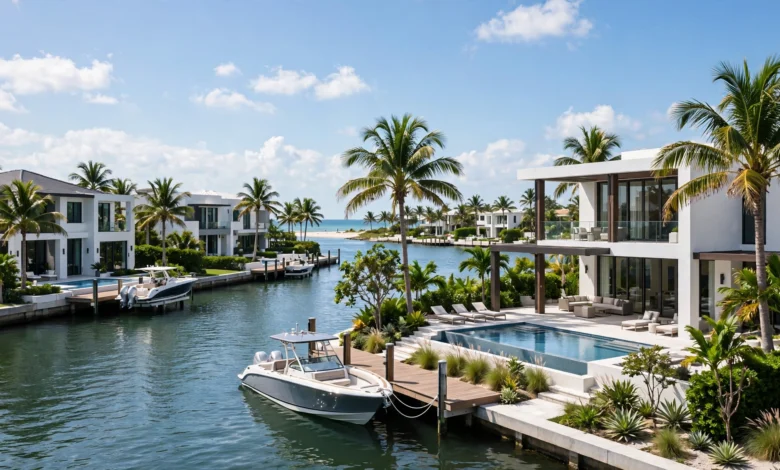
Florida real estate doesn’t just get talked about differently during hurricane season, it actually behaves differently. Anyone who’s bought, sold, or owned a home in the state long enough knows that the months between June and November bring a different kind of market dynamic than the rest of the year. It’s not always dramatic. Most storms miss most properties. But the cumulative effect of repeated storm seasons has genuinely reshaped how buyers evaluate risk and how property values hold up across different parts of the state.
What’s easy to miss if you’re not paying close attention is how much of this impact happens quietly, through insurance underwriting decisions, mortgage lending requirements, and buyer psychology, rather than through visible storm damage alone. A home that’s never been directly hit by a hurricane can still see its value affected simply by sitting in a flood zone that makes insurance expensive or hard to secure. Meanwhile, a newer home built to current wind codes just a few miles away might barely see a blip in buyer interest, even during an active storm season.
This article takes a fresh look at how hurricane season actually affects Florida property values, moving past the obvious “storm damages house, value drops” narrative to look at the underlying mechanics: insurance market pressure, construction standards, regional variation, and how buyer behavior has adapted over successive storm seasons. Whether you’re a current homeowner trying to understand your equity position or a prospective buyer weighing a move to Florida, this should give you a clearer, more complete picture.
The Real Relationship Between Hurricane Season and Property Values
It’s tempting to think of hurricane season as something that simply pauses the Florida real estate market for a few months each year, but the reality is more nuanced. Property values respond to several distinct pressures that build and shift throughout the season, not just to whether a storm actually makes landfall nearby.


- Insurance cost and availability increasingly function as a pricing factor on their own, independent of actual storm damage
- Buyer confidence tends to dip during active storm threats but often recovers once the immediate risk passes
- Construction age and code compliance have become a meaningful differentiator in how homes are valued and insured
- Flood zone designation affects both insurance cost and mortgage eligibility, which directly influences buyer pool size
- Regional risk perception varies significantly, meaning the same storm season can affect different parts of the state very differently
How Insurance Has Become the Real Driver of Value
Why Insurance Costs Matter More Than Storm Damage Alone
For a growing share of Florida buyers, the deciding factor in a purchase decision isn’t whether a home has ever been damaged by a storm. It’s whether they can actually get affordable insurance on it. As more private insurers have scaled back their presence in Florida or exited the state entirely, homeowners in higher-risk areas have increasingly turned to Citizens Property Insurance Corporation, the state’s insurer of last resort, which has grown substantially as private options have narrowed.
This shift means insurance availability now functions almost like a second appraisal, one that can make or break a deal regardless of how the home actually shows or how strong the comparable sales data looks.
How Lenders Factor Insurance Into the Equation
Mortgage lenders require proof of adequate insurance before closing, which means a home that’s difficult or expensive to insure can see its effective buyer pool shrink, even if the asking price seems reasonable on paper. This has become a real friction point in transactions across higher-risk coastal and flood-prone areas, sometimes delaying or derailing sales that would have closed without issue just a few years ago.
The Florida Office of Insurance Regulation has published detailed data on this shift, and reviewing current information through the Florida Office of Insurance Regulation can offer buyers and sellers a clearer sense of how insurance market conditions are evolving in specific areas of the state.
Construction Standards and Their Growing Influence on Value
The Post-Andrew Building Code Divide
Florida significantly strengthened its building codes following Hurricane Andrew in 1992, and homes built after these updates took full effect, generally after 2002, tend to perform better in storms and, increasingly, in the eyes of insurers and buyers alike. This has created a real divide in the market between older homes, which may require costly retrofits to qualify for better insurance rates, and newer construction that already meets current standards.
Why This Matters for Resale Value
Buyers have become noticeably more attentive to construction age and storm-resistant features, including impact windows, reinforced roofing, and elevated foundations in flood-prone areas. Homes with documented storm-resistant upgrades increasingly command a premium, not just for the physical resilience they offer, but because they translate directly into lower insurance costs for the next owner.
Regional Variation: Not All of Florida Feels Hurricane Season the Same Way
High-Exposure Coastal Markets
Areas along Florida’s Gulf Coast and parts of the Atlantic coastline, particularly barrier islands and low-lying waterfront communities, tend to see the most direct pressure on property values during and after active storm seasons. These areas often combine higher storm exposure with higher insurance costs, creating compounding pressure on affordability and buyer demand.
Inland and Higher-Elevation Markets
Communities further inland, or those at higher elevation relative to sea level, tend to see comparatively more stable property values through hurricane season, since they carry lower flood risk and often see more manageable insurance costs as a result. This has contributed to sustained buyer interest in inland Florida markets as a way to enjoy the state’s lifestyle benefits while managing storm-related risk more effectively.
Areas With Strong Recovery Track Records
Some communities that have weathered past storms with strong rebuilding and infrastructure investment have actually seen buyer confidence hold up better than areas with less established recovery history. A visible, well-managed recovery process can meaningfully influence how buyers perceive long-term risk in a given area.
How Buyer Psychology Shifts Through the Season
The Pre-Storm Pause
When a storm is actively tracking toward Florida, it’s common to see showings and closings slow down, even for properties well outside the projected path. This hesitation is largely psychological and temporary, though it can affect timing for sellers who happen to have a listing active during an active storm threat.
The Post-Storm Recovery Curve
Once a storm passes without significant local impact, buyer activity often picks back up fairly quickly, sometimes with renewed confidence if the area demonstrates it can weather a near-miss without major disruption. In areas that do sustain damage, the market often splits into two distinct tracks: damaged or distressed properties selling at a discount, often to investors, while undamaged homes in the same area can see reduced competition work in their favor.
What This Means for Current Florida Homeowners
If you already own property in Florida, understanding these dynamics can help you make more informed decisions about maintenance, insurance, and timing if you’re considering selling.
- Documenting storm-resistant upgrades, such as impact windows or a newer roof, can meaningfully support your home’s marketability and insurance profile
- Staying current on wind mitigation inspections can help you access better insurance rates, which in turn supports your home’s overall value proposition to future buyers
- Understanding your property’s flood zone designation, and any changes to that designation over time, helps you anticipate how insurance costs might shift going forward
- Timing a sale outside of active storm threats, when possible, can help avoid the temporary buyer hesitation that sometimes accompanies an approaching storm
What This Means for Prospective Florida Buyers
Buyers considering a Florida purchase should factor hurricane season dynamics into their overall due diligence process, not just their gut reaction to the state’s storm risk in general.
- Request the property’s insurance quote early in the process, ideally before finalizing an offer, since costs can vary dramatically even between nearby homes
- Review flood zone maps and elevation data directly rather than relying solely on general area reputation
- Ask about the age of major systems, particularly the roof, windows, and overall construction date relative to Florida’s post-2002 building code updates
- Factor total ownership cost, including realistic insurance estimates, into your affordability calculations rather than focusing on purchase price alone
FEMA maintains detailed flood zone mapping and risk assessment tools that can help buyers evaluate a specific property’s flood exposure. Reviewing this data through FEMA’s flood map resources is a practical step worth taking before finalizing any Florida purchase, particularly in coastal or low-lying areas.
The Long-Term Trend: A Market Rewarding Resilience
Looking at the broader trajectory of Florida real estate, the clearest long-term pattern is a market increasingly rewarding resilience over simple location alone. Homes built to modern standards, situated in lower flood-risk areas, and carrying manageable insurance costs have shown more consistent value retention through repeated storm seasons than older, higher-risk properties in the same general region.
Builders and developers have responded accordingly, with elevated foundations, impact-resistant construction, and reinforced roofing increasingly standard rather than optional in new Florida developments. For both current owners and prospective buyers, this shift suggests that understanding a property’s resilience characteristics is becoming just as important to long-term value as its location or square footage.
Conclusion
Hurricane season continues to shape Florida property values in ways that go well beyond the simple narrative of storm damage causing price drops, touching everything from insurance availability and mortgage lending requirements to construction standards and regional buyer psychology. Coastal, high-exposure markets tend to feel the most direct pressure, while inland and higher-elevation communities have generally shown more stability, and across the board, homes built to modern, storm-resistant standards are increasingly commanding a real premium tied directly to lower insurance costs and stronger buyer confidence. For homeowners and buyers alike, understanding these underlying mechanics, rather than just watching the weather forecast, offers a far more useful way to think about property value in a state where hurricane season isn’t going away anytime soon.