Berlin Rent Caps 2026: What Renters Need to Know in 7 Critical Facts
Berlin rent caps explained: what happened to the Mietendeckel, what protections remain, and what renters should know now.

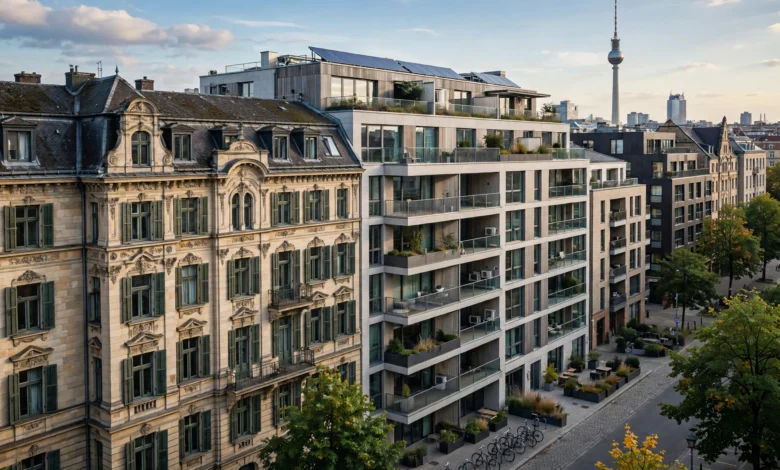
Berlin rent caps have been one of the most debated housing policy topics in Germany over the past several years, and confusion about what’s actually in effect is still common, even among longtime Berlin renters. Between a landmark court ruling, a federal rent control mechanism, and ongoing political pressure for stronger tenant protections, it’s easy to lose track of what rules actually apply to your lease today.
This matters because Berlin has one of the tightest rental markets in Europe, and understanding your actual legal protections, rather than what you’ve heard secondhand, can directly affect how much you pay and what leverage you have with a landlord. Renters who assume outdated rules are still in place risk either overpaying or missing legitimate opportunities to challenge an unfair rent increase.
In this article, we’ll walk through the history of Berlin’s rent cap experiment, explain what replaced it, and break down what protections currently exist for tenants navigating the Berlin property market. We’ll also cover practical steps renters can take, how landlords have responded to the shifting legal landscape, and where the policy debate stands heading forward. One important note before we start: German housing law is detailed and does change through court rulings and legislation, so treat this as a general explainer rather than legal advice, and confirm your specific situation with a tenant association or a qualified lawyer before acting on it.
A Quick History of the Berlin Mietendeckel
To understand where things stand now, it helps to understand what came before.


What the Mietendeckel Actually Did
Berlin introduced its own rent cap law, known as the Mietendeckel, in early 2020. It was one of the most aggressive rent control measures attempted by any German city, freezing rents at their mid-2019 levels for roughly 1.5 million apartments and, in many cases, requiring landlords to actually lower rents that were considered above a government-set ceiling. The goal was straightforward: slow down runaway rent growth in a city where housing costs had climbed sharply over the previous decade.
Why It Was Struck Down
The Mietendeckel didn’t survive long. In April 2021, Germany’s Federal Constitutional Court ruled the law unconstitutional, finding that housing and tenancy law falls under federal, not state, jurisdiction. Berlin, as a state, didn’t have the legal authority to implement its own separate rent control system on top of federal rules. The ruling was retroactive, meaning landlords could legally demand back payment for the difference between the capped rent tenants had been paying and the rent that would have applied under federal law.
This outcome caught many renters off guard. Tenants who had budgeted around the lower, capped rents suddenly faced demands for retroactive payments, in some cases totaling thousands of euros. It remains one of the more cautionary examples in Berlin’s housing policy history, and it’s a big part of why understanding the difference between local and federal rent rules matters so much today.
What Protections Exist Now: The Mietpreisbremse
With the Mietendeckel gone, the relevant rent control mechanism for Berlin renters is the federal Mietpreisbremse, or rent brake, which predates the Mietendeckel and remains in effect independently of it.
How the Mietpreisbremse Works
Unlike the Mietendeckel’s hard freeze, the Mietpreisbremse takes a more limited approach. In areas designated as having a tight housing market, including Berlin, new rental contracts generally cannot be set more than 10% above the local reference rent, known as the ortsübliche Vergleichsmiete, which is calculated based on comparable properties in the area.
Key features worth understanding:
- It applies primarily to new lease agreements, not automatically to existing tenancies
- It includes exceptions, such as newly built apartments and units undergoing significant renovation
- Landlords can still charge more if the previous tenant was already paying above the reference rent, in many cases
- Enforcement generally requires the tenant to take action, such as formally challenging the rent through a written notice
Why This Feels Weaker Than the Mietendeckel
Renters who experienced the Mietendeckel often find the Mietpreisbremse underwhelming by comparison. It doesn’t freeze existing rents, it comes with several landlord-friendly exceptions, and it places the burden on tenants to actually challenge an overcharge rather than enforcing limits automatically. That gap between the two systems is a big reason the rent cap debate in Berlin hasn’t gone away, even years after the Mietendeckel was overturned.
What This Means for Renters in Berlin
For anyone currently renting or about to sign a lease in Berlin, a few practical realities follow from this legal landscape.
Know Your Reference Rent
Before signing a new lease, it’s worth checking the local Mietspiegel, Berlin’s official rent index, which lays out typical rents by neighborhood, building age, and apartment condition. If your quoted rent is significantly above that reference point, you may have grounds to formally challenge it under the Mietpreisbremse.
Understand the Difference Between New and Existing Leases
The Mietpreisbremse mainly governs what landlords can charge when setting up a new lease. Once you’re in a tenancy, rent increases follow a separate set of rules, generally capped at a certain percentage over a set period, with additional limits tied to the local rent index. These are different mechanisms, and mixing them up is a common source of confusion.
Document Everything
If you believe your rent exceeds what’s legally allowed, documentation matters. This includes your lease agreement, any correspondence with your landlord, and comparable rental listings in your building or neighborhood. Tenant associations in Berlin, such as the Berliner Mieterverein, can help assess whether a formal challenge makes sense.
Watch for Renovation-Based Rent Increases
One of the more common ways landlords work around rent restrictions is through renovation-linked rent increases, which come with their own separate legal framework. Renters facing a rent hike tied to renovations should understand that these increases are also subject to caps, even though they operate outside the standard Mietpreisbremse rules.
The Landlord Perspective on Berlin’s Rent Rules
It’s worth understanding the other side of this debate, since it shapes how the policy conversation continues to evolve.
Landlord associations have consistently argued that aggressive rent control measures, including the now-defunct Mietendeckel, discourage investment in rental housing and can worsen the very shortage they’re meant to address. Their concerns generally include:
- Reduced incentive for new construction, since developers may direct capital toward markets with fewer restrictions
- Deferred maintenance, as some landlords limit spending on upkeep when rent increases are tightly capped
- Legal uncertainty, particularly after the Mietendeckel’s collapse left both landlords and tenants unsure of what rules would hold up
- Administrative burden, since tracking reference rents and exceptions adds complexity to standard leasing processes
This tension between tenant protection and housing supply incentives is at the center of ongoing political debate, not just in Berlin but across major German cities facing similar affordability pressure.
How Berlin Compares to Other German Cities
Berlin isn’t the only German city grappling with rent control debates, though its Mietendeckel experiment made it a particularly high-profile case study.
- Munich consistently ranks as one of the most expensive rental markets in Germany, with similarly tight Mietpreisbremse enforcement
- Hamburg has seen its own political pushes for stronger tenant protections, though nothing as aggressive as Berlin’s short-lived rent freeze
- Frankfurt faces upward rent pressure tied to its role as a financial center, with ongoing debate over whether current protections go far enough
- Leipzig and other eastern German cities generally have more moderate rent levels, though they’ve seen rising interest from renters priced out of Berlin
This broader context matters because it shows Berlin’s rent cap debate isn’t an isolated local issue. It reflects a national conversation about how far governments should go in regulating rental prices in tight housing markets.
What’s Next for Berlin’s Rent Cap Debate
Even with the Mietendeckel struck down, political pressure for stronger rent regulation hasn’t disappeared. A few trends are worth watching:
- Continued calls for federal reform to strengthen the Mietpreisbremse, including proposals to close common landlord exceptions
- Extended designation of tight housing market areas, which determines where rent brake rules apply and for how long
- Ongoing housing construction initiatives aimed at addressing the underlying supply shortage rather than relying solely on price controls
- Continued legal challenges and court rulings that could further shape what rent regulation tools are actually available at the state versus federal level
For renters trying to stay current, it’s worth checking official sources directly rather than relying on outdated summaries. The Berlin Senate Department for Urban Development, Building and Housing publishes current information on local housing policy, and Germany’s Federal Ministry of Justice maintains official guidance on federal tenancy law, including the Mietpreisbremse. Both are far more reliable than secondhand explainers when you’re making decisions about a lease.
Frequently Asked Questions
Is the Berlin Mietendeckel still in effect?
No. The Federal Constitutional Court struck it down in April 2021, ruling that Berlin lacked the legal authority to implement its own separate rent cap system.
What rent protections apply in Berlin now?
The federal Mietpreisbremse remains the primary mechanism, limiting how much landlords can charge above the local reference rent for new leases in designated tight-market areas, which includes Berlin.
Can I still challenge my rent as too high?
In many cases, yes, particularly for new leases signed above the local reference rent. A tenant association or housing lawyer can help evaluate whether a formal challenge is worth pursuing.
Do rent caps apply to all Berlin apartments?
No. Several exceptions exist, including newly built units and properties that have undergone significant renovation, so it’s important to check whether your specific situation falls under an exception.
Conclusion
The story of Berlin rent caps is really the story of two very different approaches colliding: an ambitious local rent freeze that was ultimately ruled unconstitutional, and a more limited federal mechanism, the Mietpreisbremse, that has continued operating in its place. For renters, understanding this distinction is essential, since the protections available today are narrower and require more active engagement than the Mietendeckel once offered. Checking your rent against the local reference index, understanding which exceptions might apply, and knowing when to involve a tenant association are the practical steps that matter most. The broader political debate over how far Berlin and Germany should go in regulating rents is far from settled, but for now, renters need to work within the rules actually in force rather than the ones that made headlines a few years ago.
A quick note on sources: this article is based on well-documented legal history through early 2026 and does not include live search results, so recent developments may not be reflected here. This is general information, not legal advice. Always confirm your specific rights and current regulations through a tenant association such as the Berliner Mieterverein, official government sources, or a licensed housing lawyer before making decisions about your lease.