Texas Luxury Real Estate: 7 Stunning Ranches, Mansions, and More
Texas luxury real estate spans sprawling ranches, grand mansions, and waterfront estates. Here's a buyer's guide to the state's finest properties.

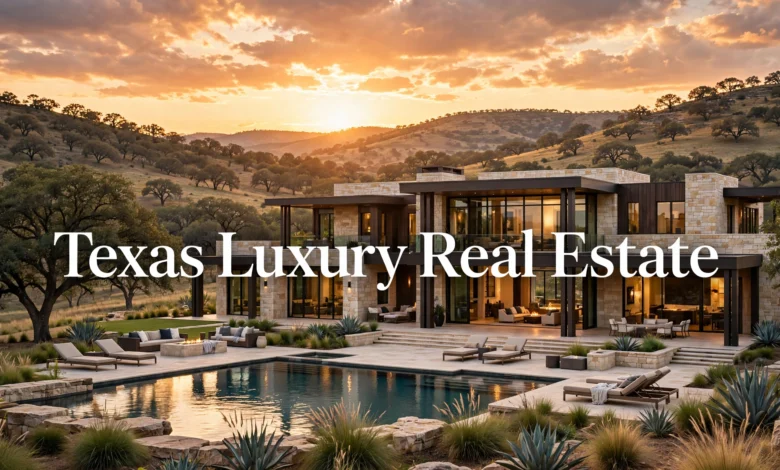
Texas luxury real estate has become one of the most talked-about segments in the national housing market, and it’s not hard to see why. From cattle ranches the size of small counties to glass-walled mansions overlooking Lake Austin, the state offers a range of high-end properties that few other markets can match. Buyers moving from California, New York, and other high-tax states have poured into Texas over the past several years, drawn by the absence of a state income tax, wide-open land, and a business climate that keeps rewarding growth.
What makes Texas luxury real estate genuinely interesting is its variety. In Dallas and Houston, you’ll find manicured estate neighborhoods with homes that rival anything in Beverly Hills. In the Hill Country, luxury looks more like a working ranch with a wine cellar and a helicopter pad. Along the Gulf Coast, waterfront compounds cater to buyers who want boat access as much as square footage. This isn’t a one-note market, and that’s exactly why it keeps attracting attention from both relocating families and serious investors.
In this guide, we’ll walk through the major categories of luxury real estate in Texas, the cities and regions where demand is strongest, what separates a genuinely luxury property from an expensive one, and what to think about before you make an offer. Whether you’re chasing a ranch legacy or a downtown penthouse, there’s a lane here for you.
Why Texas Luxury Real Estate Stands Out
Texas has a few structural advantages that keep pulling high-net-worth buyers into the state, and they show up directly in how the luxury property market in Texas behaves.

- No state income tax. This alone changes the math for anyone relocating from a high-tax state, and it’s a recurring reason cited by buyers moving into Texas luxury homes.
- Land availability. Unlike coastal luxury markets where lot sizes shrink every year, Texas still has room to build large estates and working ranches within reasonable driving distance of major cities.
- Diverse economic base. Energy, tech, healthcare, and finance all have a real presence here, which means luxury demand isn’t tied to a single industry’s fortunes.
- Strong population growth. Texas has added residents faster than almost any other state for over a decade, and a portion of that growth shows up at the top of the market.
- Favorable property tax structure for large landholdings. Agricultural and wildlife exemptions make ranch ownership more financially reasonable than in many other states.
According to data tracked by the National Association of Realtors, Texas consistently ranks among the top states for both domestic in-migration and luxury home sales volume, a trend that’s held steady even as broader housing markets have cooled in other regions.
Luxury Ranches: The Heart of Texas Luxury Real Estate
Ask most people what luxury real estate in Texas looks like, and a ranch is probably the first image that comes to mind. Ranch ownership here isn’t just about land, it’s tied to a certain lifestyle and, for many buyers, a family legacy that gets passed down for generations.
Hill Country Ranch Estates
The Texas Hill Country, stretching through areas like Fredericksburg, Dripping Springs, Boerne, and Kerrville, is arguably the most competitive luxury ranch market in the state. Buyers here are usually looking for a combination of rolling terrain, river or creek frontage, and proximity to Austin or San Antonio for weekend access. Prices for Hill Country luxury ranches with quality improvements typically start in the low millions and climb well past $10 million for properties with significant acreage and water features.
West Texas and South Texas Ranches
For buyers who want scale over proximity, West Texas and South Texas offer ranches that stretch into the tens of thousands of acres. These properties are often built around hunting operations, cattle production, or oil and mineral rights, and they attract a different kind of buyer, one focused on privacy, recreation, and long-term land value rather than a short drive to the city.
Equestrian and Legacy Ranches
A growing share of Texas luxury ranch buyers are equestrian families looking for arenas, stables, and pasture rotation systems built into the property from day one. These estates tend to sit closer to Dallas-Fort Worth and Houston, giving owners the ranch experience without giving up easy access to schools, airports, and city amenities.
What typically defines a luxury ranch in Texas:
- A custom or architecturally significant primary residence, usually 4,000+ square feet
- Reliable water sources, including wells, springs, or river frontage
- Guest housing or a second residence for family or staff
- Outdoor infrastructure such as barns, arenas, or hunting blinds
- Agricultural or wildlife tax exemptions already in place
- Gated, private access with a defensible perimeter
Texas Luxury Mansions and Estate Homes
While ranches get a lot of the attention, the mansion side of Texas luxury real estate is just as active, and it’s concentrated in a handful of well-known enclaves.
Dallas and the Park Cities
Highland Park and University Park remain the gold standard for Texas mansion living. Homes here routinely trade for $5 million to $30 million, with architecture ranging from traditional Georgian to contemporary glass-and-steel. Preston Hollow, just north of the Park Cities, has also become a magnet for newly built mega-mansions on larger lots.
Houston’s River Oaks
River Oaks is Houston’s answer to Highland Park, a leafy, gated neighborhood close to downtown where estate homes on half-acre-plus lots regularly list above $10 million. Buyers here tend to value privacy and old-money prestige as much as square footage.
Austin and Lake Austin Waterfront
Austin’s luxury market has surged over the past several years, driven largely by tech wealth and corporate relocations. Homes along Lake Austin and in West Austin neighborhoods like Westlake and Rob Roy combine modern design with hill views and direct lake access, often commanding $8 million to $20 million for the best lots.
San Antonio and the Dominion
San Antonio’s luxury scene centers on communities like The Dominion, a gated enclave known for golf course frontage, mature landscaping, and a mix of Mediterranean and modern architecture.
Waterfront and Coastal Luxury Properties
Not every buyer wants a ranch or a gated city estate. A meaningful slice of Texas luxury real estate is built around water, whether that’s a lake, a bay, or the Gulf itself.
- Lakefront estates on Lake Travis, Lake LBJ, and Lake Austin appeal to buyers who want boating access without leaving the Hill Country.
- Gulf Coast compounds near Galveston, Rockport, and South Padre Island attract buyers looking for a second home with beach access and rental income potential.
- Bay-front properties around Corpus Christi combine fishing and boating lifestyles with a lower price point than comparable coastal markets in Florida or California.
Waterfront pricing in Texas is still noticeably lower than comparable coastal luxury markets elsewhere in the country, which is part of why out-of-state buyers keep circling these listings.
Top Markets Driving Texas Luxury Real Estate
If you’re shopping this segment, it helps to know where the activity actually is. These are the regions consistently generating the most luxury transaction volume in the state:
- Dallas-Fort Worth — Highland Park, University Park, Preston Hollow, Southlake
- Houston — River Oaks, Memorial, West University Place, Tanglewood
- Austin — Westlake, Rob Roy, Barton Creek, Lake Travis
- San Antonio — The Dominion, Terrell Hills, Alamo Heights
- Hill Country — Fredericksburg, Boerne, Dripping Springs, Wimberley
- West Texas — Big Bend region, Marfa area, and large cattle country west of the Pecos
Each of these markets has its own pace and buyer profile, so it’s worth understanding the local dynamics before assuming a strategy that works in Dallas will translate to the Hill Country.
What to Look for When Buying Texas Luxury Real Estate
Buying at this level involves more moving pieces than a typical home purchase. Here’s a practical checklist worth working through before you get serious about an offer.
- Confirm water rights and access. For ranches especially, water rights can matter more than acreage. Get a clear picture of wells, aquifer access, and any surface water rights tied to the land.
- Check tax exemption status. Agricultural and wildlife exemptions dramatically reduce carrying costs on large properties, but they come with usage requirements you’ll need to maintain.
- Look closely at mineral rights. In much of Texas, surface ownership and mineral ownership can be separated. Know exactly what you’re buying before you close.
- Review HOA and deed restrictions. Gated communities and estate neighborhoods often carry strict architectural and usage covenants that affect future renovations.
- Get a real appraisal, not a Zestimate. Luxury and rural properties are notoriously hard to comp using automated tools, so a qualified appraiser familiar with high-end Texas real estate is worth the fee.
- Understand flood zones on waterfront property. Coastal and lakefront estates should be evaluated against current FEMA flood maps and insurance costs before you fall in love with the view.
- Factor in maintenance costs. Large estates and ranches carry real ongoing costs, from fencing and irrigation to staff and property management, that go well beyond the mortgage payment.
Working With a Texas Luxury Real Estate Agent
The luxury segment doesn’t operate like the rest of the housing market. Many of the best ranches and estate homes never hit the public MLS at all, they move through private buyer networks, referrals, and off-market introductions among agents who specialize in this space. A generalist agent, even a good one, usually doesn’t have access to that pipeline.
When choosing representation for a Texas luxury real estate purchase, look for:
- A track record of closed transactions specifically in the price range and property type you’re targeting
- Direct relationships with land surveyors, water rights attorneys, and appraisers familiar with rural Texas property
- Access to off-market and pocket listings, not just what’s publicly available
- Familiarity with the specific region, since a Dallas estate specialist may not know the nuances of Hill Country ranch land
The Texas Real Estate Commission, which licenses and regulates agents statewide, maintains a public license lookup tool that’s worth using to confirm any agent’s credentials before you sign representation paperwork. You can review agent records directly through the Texas Real Estate Commission.
Texas Luxury Real Estate Market Trends
A few patterns have held steady across the Texas luxury housing market in recent years:
- Cash and low-leverage buyers dominate the top end. A larger share of luxury transactions in Texas close without significant financing compared to the broader housing market.
- Out-of-state buyers remain a major demand driver, particularly from California, Illinois, and the Northeast.
- New construction is competing hard with resale in cities like Austin and Dallas, where builders have shifted toward larger, amenity-heavy estate homes.
- Ranch land values have stayed resilient even during broader real estate slowdowns, largely because supply is limited and demand for recreational and legacy land keeps growing.
- Inventory remains tight at the very top of the market, which keeps well-positioned sellers in a strong negotiating position for true trophy properties.
None of this means the market moves in one direction only. Interest rates, energy prices, and shifts in corporate relocation patterns all still influence how quickly luxury inventory turns over, so it’s worth tracking current conditions rather than assuming last year’s trends will hold indefinitely.
Frequently Asked Questions
What counts as luxury real estate in Texas? There’s no single price cutoff, but most agents treat homes above roughly $1.5 million to $2 million, or ranches above a few hundred acres with quality improvements, as entering the luxury tier. The exact threshold shifts by region, since $2 million buys a very different home in Houston than it does in a small Hill Country town.
Is Texas luxury real estate a good investment right now? Land and luxury housing in Texas have generally held value well due to population growth and limited high-end inventory, though like any market it carries risk. It’s worth talking to a local advisor about current conditions in the specific region you’re considering.
Do I need an agent to buy a Texas ranch? It’s strongly recommended. Ranch transactions involve water rights, mineral rights, easements, and tax exemption rules that are easy to get wrong without someone who specializes in rural Texas land.
Final Thoughts
Texas luxury real estate isn’t a single market so much as several distinct ones sharing a state line, from Hill Country ranches and West Texas cattle land to Highland Park mansions, River Oaks estates, and Lake Travis waterfront compounds. What ties it all together is the combination of space, tax advantages, and steady demand that keeps drawing buyers from across the country. Whether your goal is a working ranch, a legacy estate, or a lakefront retreat, the key to a smart purchase is the same everywhere: understand the local market, verify water and mineral rights, work with an agent who actually specializes in this segment, and go in with a clear picture of what a property will really cost to own over time, not just what it costs to close.