Arizona Real Estate 2026: Phoenix Sees Cooling Demand in 5 Telling Signs
Arizona real estate update: why Phoenix demand is cooling, what it means for buyers and sellers, and where the market heads next.

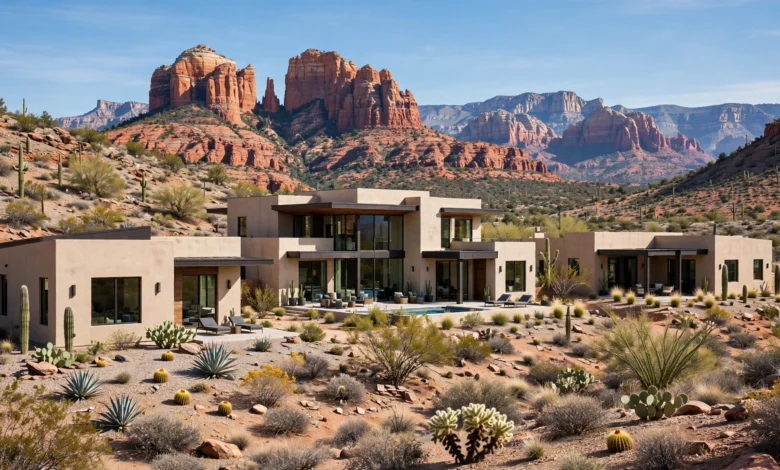
If you’ve been watching the Arizona real estate market and noticed listings sitting longer or sellers suddenly willing to negotiate, you’re not misreading the situation. The Phoenix housing market, once one of the hottest in the country during the pandemic boom, has clearly shifted gears. Bidding wars that used to push offers thousands over asking price have become far less common, and buyers finally have some breathing room.
This cooling isn’t happening in a vacuum. It’s the result of several forces converging at once, including higher borrowing costs, a wave of new construction, and a buyer pool that simply can’t stretch as far as it once could. For anyone trying to buy a home, sell one, or just understand where prices might be headed, this shift changes the playbook entirely.
In this article, we’ll unpack what’s actually driving cooling demand in Phoenix, how it fits into the broader Arizona housing market, and what it practically means whether you’re house hunting, listing your home, or simply curious about the numbers behind the headlines. We’ll also look at how different parts of the Valley are experiencing this shift differently, since Phoenix is really a patchwork of smaller markets rather than one uniform trend. One important note before we get into it: real estate data moves fast, so treat the figures here as general and directional, and confirm anything specific through a local MLS or a source like the Arizona Regional Multiple Listing Service before making a decision.
What’s Driving Cooling Demand in Phoenix
The Phoenix real estate market didn’t slow down overnight. A handful of factors have been building over time, and together they’ve reshaped what used to be one of the most competitive markets in the country.


Affordability Has Hit a Wall
Phoenix home prices climbed dramatically between 2020 and 2022, and they climbed on top of a metro area that was already attracting buyers priced out of coastal states. When you combine those elevated prices with mortgage rates well above where they sat a few years ago, monthly payments have simply outpaced what a large share of buyers can afford. That’s the single biggest factor behind cooling demand across the Valley.
Out-of-State Buyer Migration Has Slowed
A major driver of the Phoenix boom was relocation, especially from California, where buyers sold high-priced homes and arrived with enough equity to compete aggressively for Arizona properties. That flow of migration has slowed considerably as remote work patterns have normalized and coastal markets have cooled in their own right. Fewer cash-flush transplants means less upward pressure on local demand.
New Construction Has Added Real Supply
Homebuilders in the Phoenix metro, particularly in areas like Buckeye, Queen Creek, San Tan Valley, and Maricopa, ramped up production aggressively during the boom years. That pipeline has continued delivering new homes even as resale demand has softened, adding meaningful supply at a time when fewer buyers are competing for it. Builders have also leaned heavily into incentives like rate buydowns, which pull buyers away from the resale market entirely.
Investor Activity Has Pulled Back
Phoenix was a favorite target for institutional and individual investors during the low-rate years, when rental yields and appreciation potential both looked attractive. Higher borrowing costs have squeezed those numbers, and many investors have simply stepped back from acquiring new properties. Less investor competition means fewer bidding wars for the same entry-level homes that first-time buyers are also chasing.
The Extreme Heat Factor Is Getting More Attention
It’s a less quantifiable factor, but increasingly discussed: extended, intense summer heat has started influencing buyer hesitation, particularly among older buyers and those relocating from more temperate climates. While this alone wouldn’t cool a market, it’s becoming part of the broader conversation buyers are having when weighing where to settle.
Phoenix Housing Market Snapshot
Here’s a quick summary of the trends currently shaping the Valley:
- Active listings have risen well above the tight levels seen during 2021 and early 2022
- Days on market have stretched out, with homes routinely sitting for weeks rather than selling within days
- Price reductions have become a normal part of the listing process rather than an exception
- Months of supply has climbed closer to balanced-market territory, a sharp change from the extreme seller’s conditions of the boom years
- Bidding wars have become far less frequent outside of a handful of highly desirable, well-priced listings
Taken together, these signs point to a market that has meaningfully rebalanced, even if it hasn’t collapsed. The Arizona real estate market is adjusting rather than crashing.
Why Sellers Are Facing a Tougher Environment
Sellers who priced their homes based on 2021 or 2022 comps are often finding a rude awakening. A few dynamics explain why the seller’s advantage has faded.
- Buyers have more options. With inventory up, buyers aren’t forced to compete for the first decent listing they find.
- Price anchoring has shifted. Comparable sales from the peak years no longer reflect what buyers are willing to pay today.
- Appraisal gaps are back. In a slower market, appraisals are more likely to come in below an optimistic asking price, which can derail a deal.
- Concessions are expected. Buyers increasingly ask for repairs, credits, or rate buydown contributions, something that was almost unheard of during the frenzy.
- Longer holding costs. Sellers carrying two mortgages, or paying for a vacant listing, feel more pressure to negotiate as days on market stretch out.
What This Means for Homebuyers in Arizona
For buyers who felt shut out of the Phoenix market a couple of years ago, this shift brings real, practical relief.
More Room to Negotiate
Sellers are far more willing to entertain offers below asking price, especially on homes that have already sat for a few weeks. Buyers who do their homework on recent comps have genuine leverage at the negotiating table.
Contingencies Are Back on the Table
During the peak of the boom, waiving inspection and appraisal contingencies was almost required to compete. That pressure has eased substantially, giving buyers room to protect themselves without automatically losing out to a stack of other offers.
Builder Incentives Are Worth Comparing
With new construction still flowing steadily into markets like Buckeye and Queen Creek, buyers should compare builder incentives, including rate buydowns and closing cost assistance, against resale options. In some cases, a new build with an incentive package can end up cheaper monthly than a comparable resale home at a higher rate.
Rates Still Shape the Math
Cooling demand doesn’t mean affordability has been solved. Buyers should still shop multiple lenders, get pre-approved early, and run realistic numbers on monthly payments rather than assuming a slower market automatically means an easy purchase.
Regional Differences Across the Phoenix Metro
The Phoenix housing market isn’t experiencing this cooldown uniformly. Different pockets of the Valley are behaving in noticeably different ways.
- Central Phoenix and Scottsdale: Desirable, walkable neighborhoods with limited land continue to hold value better than the metro average
- Buckeye and Queen Creek: Heavy new construction has added significant supply, giving buyers more affordable, negotiable options
- Chandler and Gilbert: Strong school districts continue to attract family buyers, keeping demand comparatively steadier
- West Valley communities: Longer commute distances have made some of these areas more sensitive to the broader slowdown
- Tucson and outlying areas: Generally more affordable than Phoenix proper, drawing some priced-out buyers from the metro core
Anyone comparing markets should look past metro-wide averages and focus on the specific submarket in question, since conditions can differ dramatically even between neighboring suburbs.
Price Trends Alongside Cooling Demand
More inventory and fewer competing buyers typically slow price appreciation, and Phoenix has followed that pattern closely. Instead of the sharp, double-digit annual gains seen during the boom, price growth across much of the Arizona real estate market has flattened, with some segments seeing modest declines from their peak.
A few patterns worth watching:
- Entry-level homes tend to hold value more consistently, since affordable inventory remains relatively limited
- Higher-end and luxury listings are seeing more frequent price cuts, as that segment faces more competition and a thinner buyer pool
- Move-in-ready homes continue to outperform properties needing significant repairs, even in a cooler market
For sellers, this means pricing has to reflect current conditions, not the comps from two or three years ago. For buyers, it means there’s genuine room to negotiate, but not unlimited leverage, especially on well-priced, updated homes.
Should You Buy or Sell in Phoenix Right Now?
There’s no single right answer, but a few questions can help clarify the decision.
For buyers:
- Do you plan to stay in the home long enough to ride out short-term price fluctuations?
- Have you compared builder incentives against resale listings in the same area?
- Are you working with an agent who can pull accurate, current comps rather than relying on outdated pricing expectations?
For sellers:
- Is your asking price based on recent sales, not peak-era comparisons?
- Have you addressed maintenance issues that could give cautious buyers a reason to walk away?
- Are you prepared for a longer timeline and the possibility of negotiating on price or concessions?
A knowledgeable local agent matters more in a market like this, where pricing strategy and negotiation skill carry more weight than they did when nearly every listing sold itself.
What Could Happen Next in the Arizona Real Estate Market
A few trends are worth watching as the market continues to evolve:
- Mortgage rate movement remains one of the biggest wildcards; even a modest drop could reawaken buyer demand
- Continued new construction in the outer suburbs is likely to keep adding supply, particularly at more affordable price points
- Migration patterns from other states will continue shaping long-term demand, even if the pace has slowed from the boom years
- Climate-related buyer hesitation could become a more consistent factor as extreme summer heat becomes a bigger part of the national conversation
For the most current figures, it’s worth checking data directly from reliable sources, such as the Arizona Regional Multiple Listing Service for local market statistics, or the Freddie Mac Primary Mortgage Market Survey for up-to-date mortgage rate trends. Both are more dependable than relying on secondhand market summaries when real money is on the line.
Frequently Asked Questions
Is Phoenix still a seller’s market?
Not in the way it was a few years ago. Conditions have shifted closer to balanced, with buyers holding meaningfully more negotiating power than during the boom.
Will Phoenix home prices keep falling?
Most signs point toward continued moderation rather than a dramatic collapse, though higher-priced segments are seeing more consistent price reductions than entry-level homes.
Is now a good time to buy in Arizona?
For buyers planning to stay long-term, cooling demand and rising inventory can create a more favorable window, even with rates higher than a few years ago.
Why is demand cooling in Phoenix?
A combination of affordability strain, slower out-of-state migration, steady new construction, and reduced investor activity has eased the intense competition that defined the market during the boom.
Conclusion
The cooling demand now visible across the Phoenix real estate market reflects a broader adjustment happening throughout the Arizona real estate market, driven by affordability pressure, slower migration from other states, a steady pipeline of new construction, and investors stepping back from the aggressive buying that defined the boom years. For buyers, this shift means more negotiating power, more room for contingencies, and a chance to compare builder incentives against resale options. For sellers, it means pricing realistically and being prepared for a longer, more deliberate sales process than what the market rewarded a few years ago. None of this points to a crash, but it does mark a genuine rebalancing, and anyone active in Arizona real estate right now should factor that shift into their strategy.
A quick note on sources: this article is based on general, well-documented housing market trends and does not include live search results, so figures and conditions may have changed. Always confirm current statistics through a local MLS, a licensed Arizona real estate agent, or the linked sources above before making a buying or selling decision.