New York Real Estate: 4 Powerful Forces Behind Manhattan’s Rent Surge
New York real estate keeps tightening as Manhattan rents rise. Here's the economic story behind it and what it means for you.

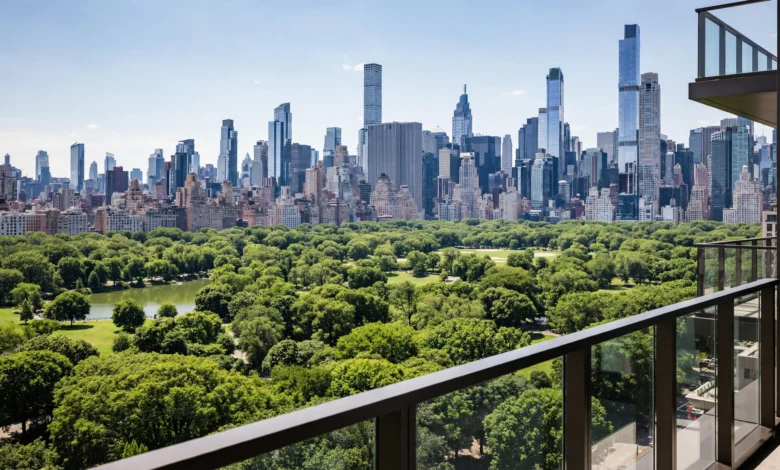
New York real estate has a way of turning into a national talking point whenever Manhattan rents make another jump, and this cycle has been no exception. But most coverage stops at the surface, noting that rents are up and inventory is down, without really digging into why those two things are happening together, or what’s actually sustaining the trend month after month.
The honest answer is that this isn’t really about any single dramatic event. It’s the product of several economic forces that have been building for a while and have now converged in a way that’s put real, sustained pressure on Manhattan rents. Interest rates have kept a lot of would-be buyers renting longer than they otherwise would. Corporate return-to-office policies have pulled demand back toward centrally located neighborhoods. And a construction pipeline that hasn’t kept pace with population growth has left the city with meaningfully less breathing room in its rental stock than it’s had in years.
This article takes a step back and looks at the underlying economic and structural forces driving this rental squeeze, how landlords and institutional investors have responded, what it signals about the broader New York housing market, and what both renters and prospective buyers should realistically expect over the coming year. Rather than just repeating the headline numbers, this is meant to give you the actual reasoning behind them, so you can make sense of what’s happening the next time a new report crosses your feed.
The Economic Forces Behind Manhattan’s Rent Surge
Four major forces have combined to push Manhattan rents to their current levels, and understanding each one individually helps explain why this trend has been so persistent.


1. Elevated Mortgage Rates Are Keeping Renters in the Rental Pool Longer
Higher mortgage rates have made homeownership meaningfully more expensive across the board, and in a market as pricey as Manhattan, that effect is amplified. Buyers who might have purchased a co-op or condo a few years ago are now staying in the rental market longer, both because financing costs have risen and because many are waiting to see whether rates come down before committing to a purchase. This has kept demand in the rental pool artificially inflated compared to a lower-rate environment.
2. Corporate Return-to-Office Policies Have Reconcentrated Demand
As more major employers have pushed workers back into physical offices, at least part-time, demand for centrally located apartments near business districts has picked back up. This has reversed some of the outward migration seen earlier in the decade, when remote work flexibility allowed renters to prioritize space and affordability over proximity to Midtown or the Financial District.
3. New Construction Has Not Kept Pace With Demand
Manhattan’s residential construction pipeline has slowed considerably due to rising construction costs, tighter development financing, and a complicated permitting environment. Even as demand has picked back up, the supply side of the equation hasn’t responded quickly enough to offset it, which is a major structural reason this rent surge has proven more persistent than a typical seasonal fluctuation.
4. Lease Renewals Are Outpacing New Move-Ins
With the market this competitive, tenants have grown increasingly reluctant to give up their current lease, even at a renewal increase, rather than risk searching for a comparable unit at a potentially higher price. This has reduced the natural turnover that typically keeps a healthy amount of inventory cycling through the market, compounding the effect of limited new construction.
How Landlords and Investors Have Responded
Institutional Investment in Multifamily Properties
Sustained rental demand has attracted renewed institutional investor interest in Manhattan multifamily properties, with investors betting that current rent growth trends will support strong long-term returns. This institutional confidence has, in some cases, made it more attractive for property owners to hold and lease units rather than convert them to condos, which can further tighten the rental supply available to everyday renters.
Reduced Concessions and Tighter Lease Terms
Landlords have pulled back significantly on the kinds of concessions, like a free month’s rent or waived broker fees, that were more common when the market had more available inventory. This shift reflects genuine landlord confidence that units will lease quickly without needing to sweeten the deal, a dynamic that’s held steady across most price points in Manhattan right now.
According to data tracked by the Real Estate Board of New York, sustained demand paired with constrained new supply has been a consistent theme across recent market reporting, reinforcing that this isn’t a short-term blip but a structural shift in how the Manhattan rental market is currently balanced.
What This Means for the Broader New York Housing Market
The pressure on Manhattan rents hasn’t stayed contained to Manhattan itself. It’s had ripple effects across the broader New York real estate market.
- Brooklyn and Queens have absorbed a meaningful share of renters priced out of Manhattan, pushing rents higher in previously more affordable neighborhoods
- Homeownership has become relatively more attractive to some renters as the gap between monthly rent and mortgage costs has narrowed, even with elevated interest rates
- Developers have shown renewed interest in rental construction specifically, as opposed to condo development, given how strong current rental demand has proven to be
- City and state policymakers have faced increased pressure to address housing supply constraints, given how directly they’re tied to the current affordability challenges renters are facing
The Federal Reserve Bank of New York has published research examining how interest rate policy interacts with regional housing affordability, and reviewing analysis through the Federal Reserve Bank of New York’s research page can offer useful context for how monetary policy continues to influence conditions in markets like Manhattan.
Neighborhood Patterns Worth Watching
Areas Benefiting from Return-to-Office Demand
Neighborhoods close to major business districts, including parts of Midtown, the Financial District, and areas along key subway lines serving these hubs, have seen some of the most consistent rent growth as commuting convenience has become a bigger priority again for renters balancing office attendance requirements.
Areas Seeing Overflow Demand
Neighborhoods just outside Manhattan’s most expensive core, including parts of Upper Manhattan and areas well-connected to Brooklyn, have increasingly absorbed renters priced out of more central locations, leading to noticeable rent growth in areas that were previously considered more affordable alternatives.
Areas With Limited New Supply
Neighborhoods where new construction has been particularly limited due to zoning constraints or lack of available development sites have generally seen tighter conditions and steeper rent growth than areas where at least some new supply has continued to come online.
What Renters Should Realistically Expect
Given the structural nature of the forces driving this rent surge, renters should plan around a market that’s likely to remain competitive for a while, rather than expecting a quick reversal.
- Lease renewal increases are likely to remain a factor, so budgeting for potential increases ahead of your renewal date is a practical step
- Moving quickly on well-priced listings remains important, since inventory continues to move fast relative to historical norms
- Considering a slightly broader search radius, including well-connected neighborhoods outside Manhattan’s core, can open up more affordable options without sacrificing too much commute convenience
- Building a strong rental application in advance, including documentation and references, continues to matter given how competitive the current environment remains
What Prospective Buyers Should Consider
For renters weighing whether to make the jump to homeownership given current rent levels, a few practical considerations matter beyond the simple monthly cost comparison.
- Total closing costs and ongoing co-op or condo fees should be factored in alongside the mortgage payment itself
- How long you realistically plan to stay in New York affects whether the transaction costs of buying and eventually selling make financial sense
- Building financials, especially for co-ops, can significantly affect both your ability to secure financing and the building’s long-term stability
- Current mortgage rate trends should be weighed against your specific financial situation rather than assumed to move in any particular direction
The Outlook: How Long Could This Rent Surge Last
Given that the core drivers behind this trend, slowed new construction, sustained corporate office demand, and elevated mortgage rates, are structural rather than temporary, most signs point to continued tightness in Manhattan’s rental market for at least the next several quarters. Any meaningful easing would likely require either a significant increase in new rental supply, a notable shift in interest rate policy, or a broader economic slowdown that reduces overall housing demand.
For now, the New York real estate market continues to reflect a fairly clear imbalance between sustained demand and constrained supply, and that imbalance is the real story behind the headline rent figures that keep making news.
Conclusion
Manhattan rents continue climbing because several structural economic forces, elevated mortgage rates keeping renters in the market longer, renewed corporate office demand pulling renters back toward central neighborhoods, slowed new construction, and reduced lease turnover, have converged at the same time, creating sustained pressure that’s proven more persistent than a typical seasonal rental fluctuation. This dynamic has pushed institutional investors toward multifamily properties, reduced landlord concessions, and pushed rental demand outward into Brooklyn and Queens as renters search for relief. For anyone trying to navigate the New York housing market right now, understanding these underlying forces, rather than just reacting to the latest rent figure, offers a much clearer sense of what to realistically expect in the months ahead.